
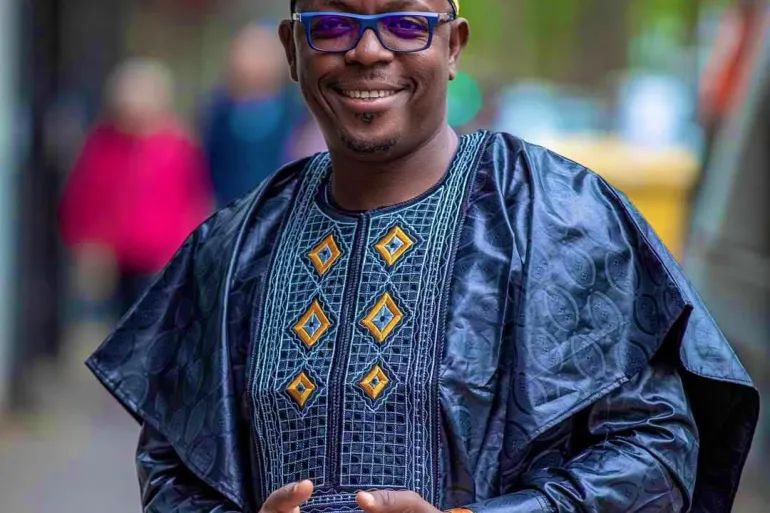

The government of Burkina Faso has demanded urgent clarification from Côte d’Ivoire regarding the death of political activist and social media figure Alain Christophe Traoré—widely known as “Alino Faso”—who died last week in an Abidjan prison under disputed circumstances.
Traoré, 44, had been arrested in January 2025 on charges of “communicating with foreign entities in a manner that harms the state’s military and economic interests.” He was detained at the National Guard headquarters in Abidjan and never brought before a judge or tried in court.
Conflicting Accounts
According to the Ivorian public prosecutor, Traoré “committed suicide by hanging himself with his bedsheet, following an earlier failed attempt to cut his veins.” Authorities say an investigation is underway to uncover the exact circumstances of his death.
However, Burkina Faso’s government has categorically rejected the official explanation, with Minister of Information and government spokesperson Rimtalba Jean-Emmanuel Ouédraogo suggesting the activist may have been “deliberately assassinated.”
Foreign Minister Karamoko Jean-Marie Traoré voiced strong disapproval of how Ivorian authorities handled the case, revealing that news of Traoré’s death was only communicated to Ouagadougou 72 hours later—via a brief official statement. He described the delay as “an insult to the people and government of Burkina Faso, and to the victim’s family, who learned of his death through social media.”
Tense Political Backdrop
Security sources say Traoré was suspected of ties to a digital activist group known as the “Rapid Response Communication Brigade,” a Burkina Faso-based network that has reportedly gained political traction under the military-led government of Captain Ibrahim Traoré, who came to power following a coup in September 2022.
Alino Faso had been living in Abidjan since 2021, where he opened a restaurant and frequently traveled between Côte d’Ivoire and Burkina Faso.
The government in Ouagadougou has called for an independent investigation into the circumstances of Traoré’s death and demanded the immediate repatriation of his body, stressing that his prolonged detention without trial raises serious legal and human rights concerns in light of international norms.


