

The African Union has welcomed the formal dissolution of two armed groups in the Central African Republic (CAR), describing the move as a significant step toward national reconciliation and peacebuilding.
In a statement issued on Friday, July 18, the African Union commended the decision by the leaders of the Union for Peace in the Central African Republic (UPC) and the 3R group (Return, Reclamation, Rehabilitation) to disband their armed movements. The announcement was made on July 10 in the capital, Bangui, as part of the ongoing political settlement efforts in the conflict-ridden nation.
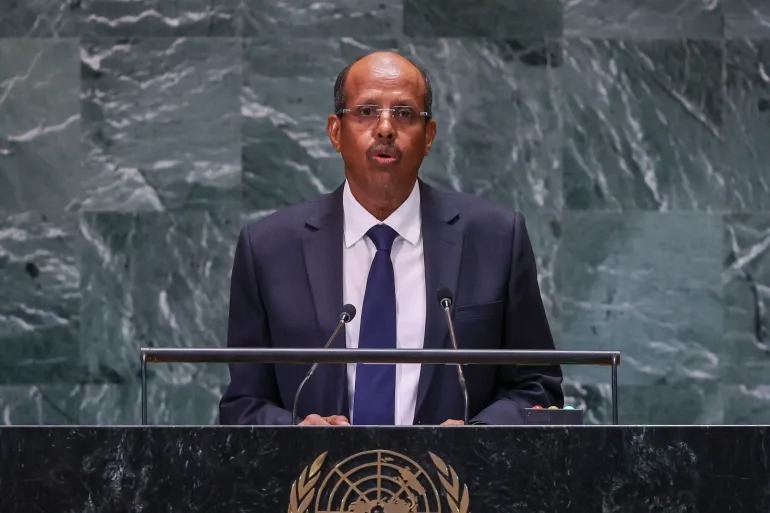
The Chairperson of the African Union Commission, Mahmoud Ali Youssouf, expressed his satisfaction with the development, noting that both groups had signed a peace agreement with the government earlier in April. He called on all remaining armed factions in the country to follow suit by laying down their weapons and participating in an inclusive national dialogue.
“The African Union encourages all other armed actors to turn the page on violence and prioritize national interest through dialogue and reconciliation,” Youssouf stated.
Years of Conflict and Fragile Peace
The Central African Republic has struggled with recurring cycles of violence, particularly following the 2013 ousting of former President François Bozizé by the predominantly Muslim Seleka coalition. The takeover triggered a retaliatory campaign by the Christian and animist Anti-balaka militias, deepening sectarian and ethnic divisions and plunging the country into a brutal civil war that lasted until 2018.
In 2020, major armed groups briefly united in an attempt to seize the capital, prompting President Faustin-Archange Touadéra to seek military assistance from Russia and Rwanda. This move led to the deployment of Russian Wagner Group fighters alongside the UN peacekeeping mission MINUSCA, which now fields approximately 17,000 personnel across the country.
Despite multiple international and regional peace initiatives, security challenges remain entrenched in many areas of CAR. Analysts have repeatedly urged the government and stakeholders to adopt a political solution that transcends militarised approaches and focuses on inclusive national dialogue.
The African Union’s latest statement reiterates this vision, framing the disbandment of the UPC and 3R as a pivotal moment that could inspire broader disarmament and reconciliation efforts. However, observers note that long-term stability will depend on sustained political will, effective governance, and continued engagement from both domestic and international actors.


