
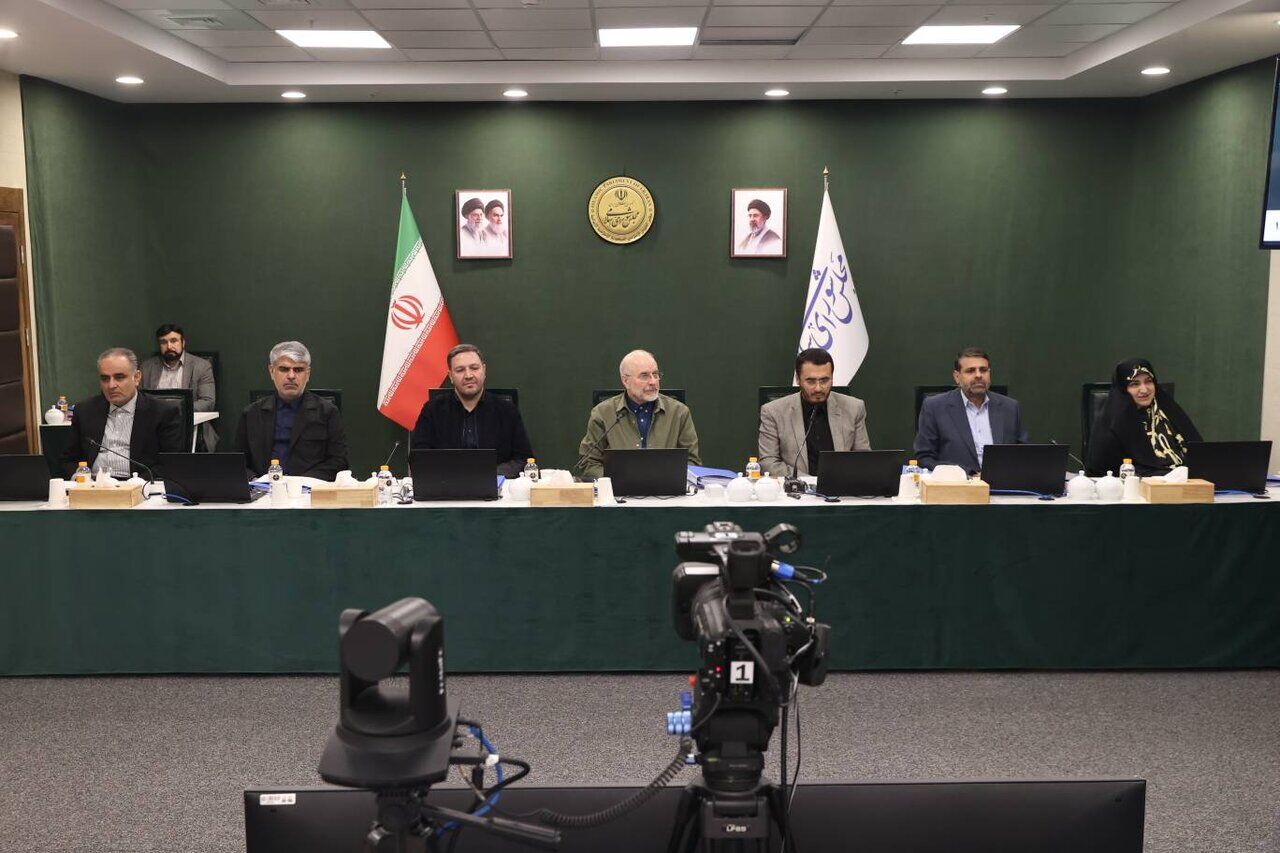

Iran’s parliament on Sunday approved a bill that lets non-clerics lead the Iran intelligence ministry, a post without a permanent minister since March, after Speaker Mohammad Bagher Ghalibaf said the overhaul began on the order of Supreme Leader Mojtaba Khamenei.
The bill rewrites a 1983 law that required the intelligence minister to have reached ijtihad, the highest rank of Islamic legal scholarship, and creates a new security body inside the ministry. It follows a war in which Israel killed the last minister, Esmail Khatib, and it still needs the approval of the Guardian Council before it becomes law.
What does the Iran intelligence ministry bill change?
Under the 1983 law on the minister’s qualifications, only a cleric with ijtihad could be appointed. The approved article keeps that route but adds a second one: a candidate with a master’s degree, expertise and experience in intelligence affairs, and at least 10 years in middle or senior management posts, according to the text reported by the ISNA and IRNA news agencies.
MPs also agreed to turn the protection department of the Iran intelligence ministry into an Intelligence Protection Organisation, IRNA reported. It described the new body as an independent organisation working within the ministry’s remit to protect its staff and the security of its operations. Iranian media reports on the bill said the head of the new organisation would be appointed by the supreme leader, and earlier drafts also provided for a political-ideological organisation inside the ministry.
The way a minister is chosen does not change: the president nominates a candidate, the supreme leader’s agreement is sought for the intelligence post, and parliament holds a vote of confidence.
Why did Ghalibaf say the supreme leader ordered the overhaul?
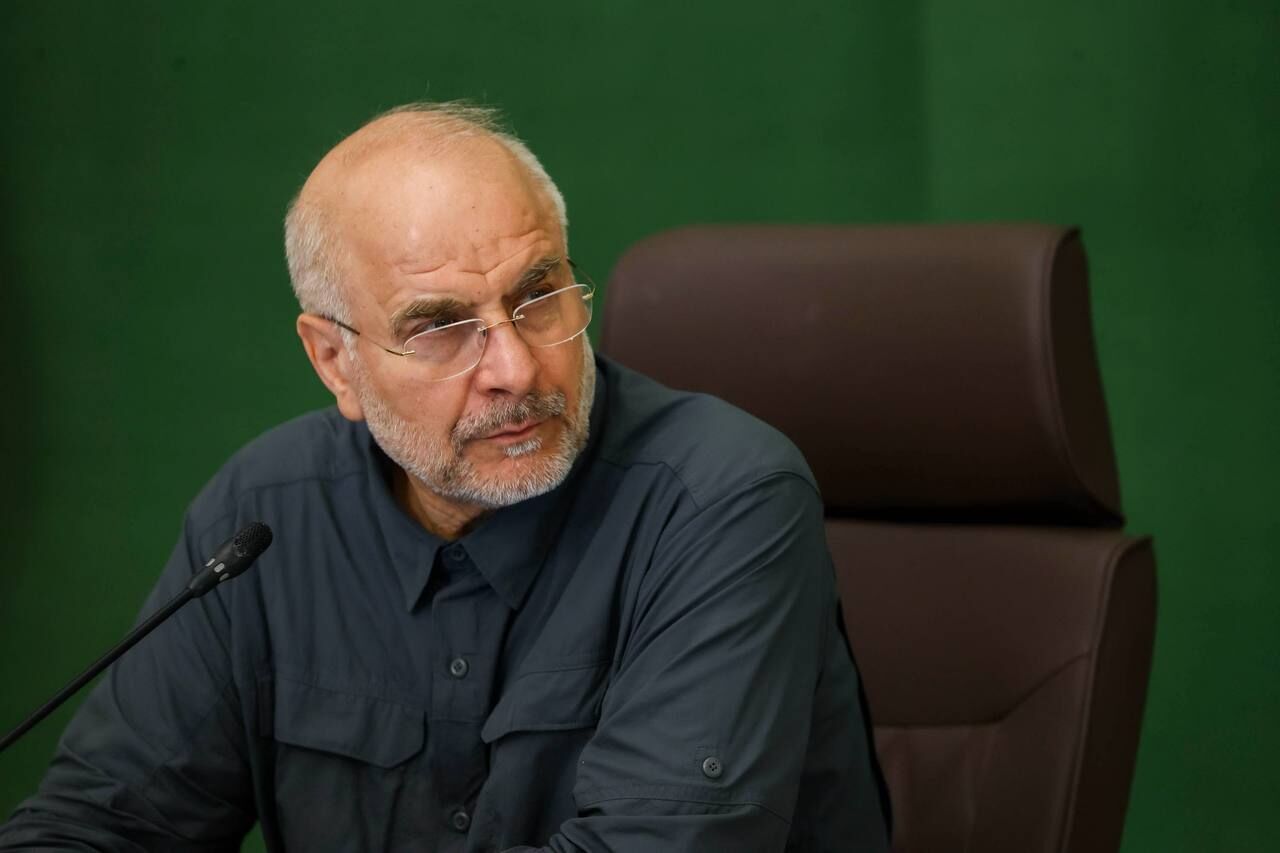
During Sunday’s session, Ghalibaf told MPs that the amendment of the law establishing the intelligence ministry had been put on the agenda “on the basis of the prudence and order” of the supreme leader, IRNA reported. He did not give the date or the wording of the order.
Ghalibaf said parliament had first asked the government to send its own bill on the Iran intelligence ministry, and that the National Security and Foreign Policy Committee took up the matter after the government’s bill was delayed. He urged the government to name a permanent minister “without delay” once the Guardian Council has approved the law, citing the “current circumstances”.
Not every MP backed the pace. Some questioned the timing during Sunday’s debate, Mehr news agency reported, with one saying that in wartime people’s living conditions should come first. Earlier this month, MPs gave the measure urgent status by 192 votes to 49, with four abstentions, Iranian media reported.
Ghalibaf, a former commander in the Islamic Revolutionary Guard Corps, has taken a prominent role in Iran’s wartime politics; last week he said talks with the United States were ruled out until Washington met seven conditions.
Why is the Iran intelligence ministry being restructured now?
The Iran intelligence ministry has been run by an acting minister since Khatib, a cleric who had worked in the office of the late supreme leader Ali Khamenei and led the ministry from August 2021, was killed in an Israeli strike on 18 March. On 22 March a government spokesman said an acting minister had been appointed but did not name him. Ali Khamenei himself was killed in US and Israeli strikes at the start of the war, and his son Mojtaba succeeded him.
Iran’s security services have faced repeated breaches blamed on Israel, including the killing of nuclear scientist Mohsen Fakhrizadeh near Tehran in 2020, the killing of Hamas leader Ismail Haniyeh in the capital in 2024, and the strikes on air defences and senior commanders during the 12-day war of June 2025. Iran has two main intelligence services: the ministry, which is part of the government, and the intelligence organisation of the Revolutionary Guards.
The change comes as Iran faces a US naval blockade and continued confrontation in the Gulf. Guards commanders last week vowed to respond after a ship was disabled during the US blockade, while power cuts across Iran have shown the strain of the war on the economy.
What happens next?
The Iran intelligence ministry reform is not yet final. Under Article 94 of Iran’s constitution, every law passed by parliament goes to the Guardian Council, which has ten days to rule on whether it conforms with Islamic law and the constitution. If the council objects, the bill returns to parliament for changes.
Once the law is in force, President Masoud Pezeshkian’s government would need to put forward a candidate who meets the new criteria and win a vote of confidence in parliament. Ghalibaf’s call for speed suggests parliament expects a nomination soon after the council’s ruling, though no candidate has been named publicly.
FAQ
Who can become Iran’s intelligence minister under the new bill?
A candidate must have reached ijtihad, the highest rank of Islamic legal scholarship, or hold a master’s degree, and in both cases have intelligence expertise and at least 10 years in middle or senior management, according to the text reported by Iranian news agencies.
Why is the Iran intelligence ministry without a permanent minister?
Esmail Khatib, the minister since 2021, was killed in an Israeli strike on 18 March 2026. An acting minister, whose name has not been made public, has run the Iran intelligence ministry since.
Has the Iran intelligence ministry bill become law?
No. Parliament approved it on 29 November, but the Guardian Council must still review it under Article 94 of the constitution before it takes effect.
What is the Intelligence Protection Organisation?
It is a new body inside the Iran intelligence ministry, created from its existing protection department, to protect staff and the security of operations, IRNA reported. Iranian media reports said its head would be appointed by the supreme leader.


