
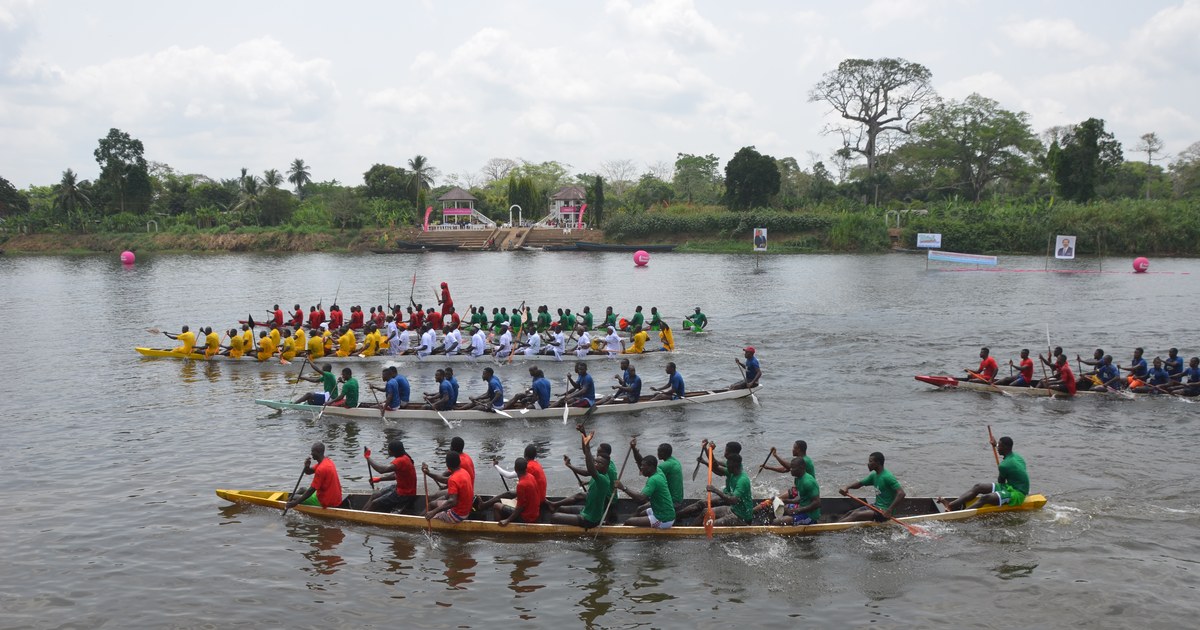

The Ngondo festival of Cameroon’s Sawa coastal peoples returns to Douala on 5 and 6 December, its second edition since UNESCO added the festival’s water-oracle ritual to its list of the intangible cultural heritage of humanity in December 2024.
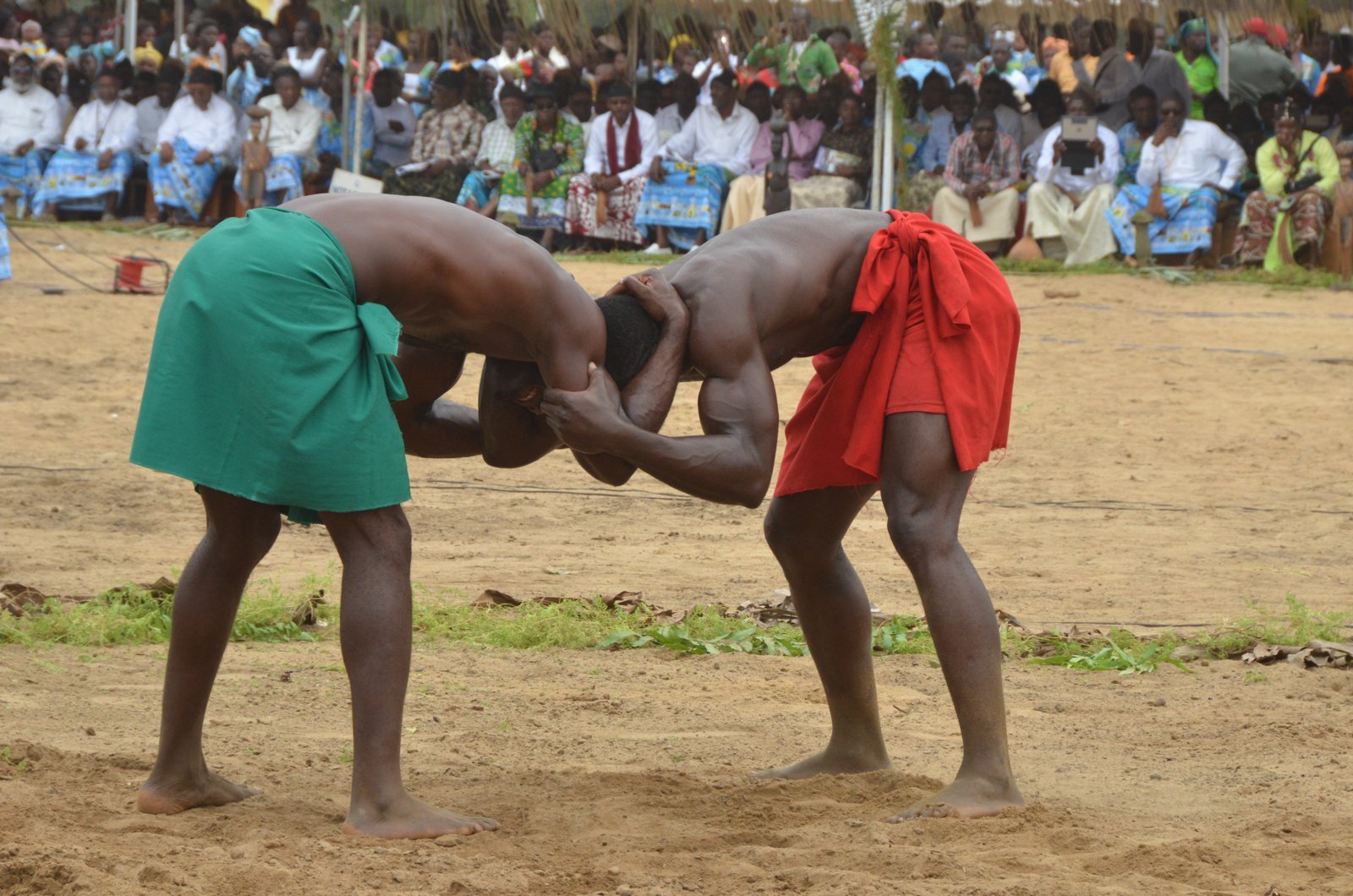
The festival ends each year on the banks of the Wouri, the river that runs through Douala, when an initiated priest dives from a sacred canoe and comes back with a message for the year ahead. It also takes in weeks of wrestling, canoe racing, music, a crafts fair and a beauty pageant across the city’s Sawa districts.
What is the Ngondo festival?
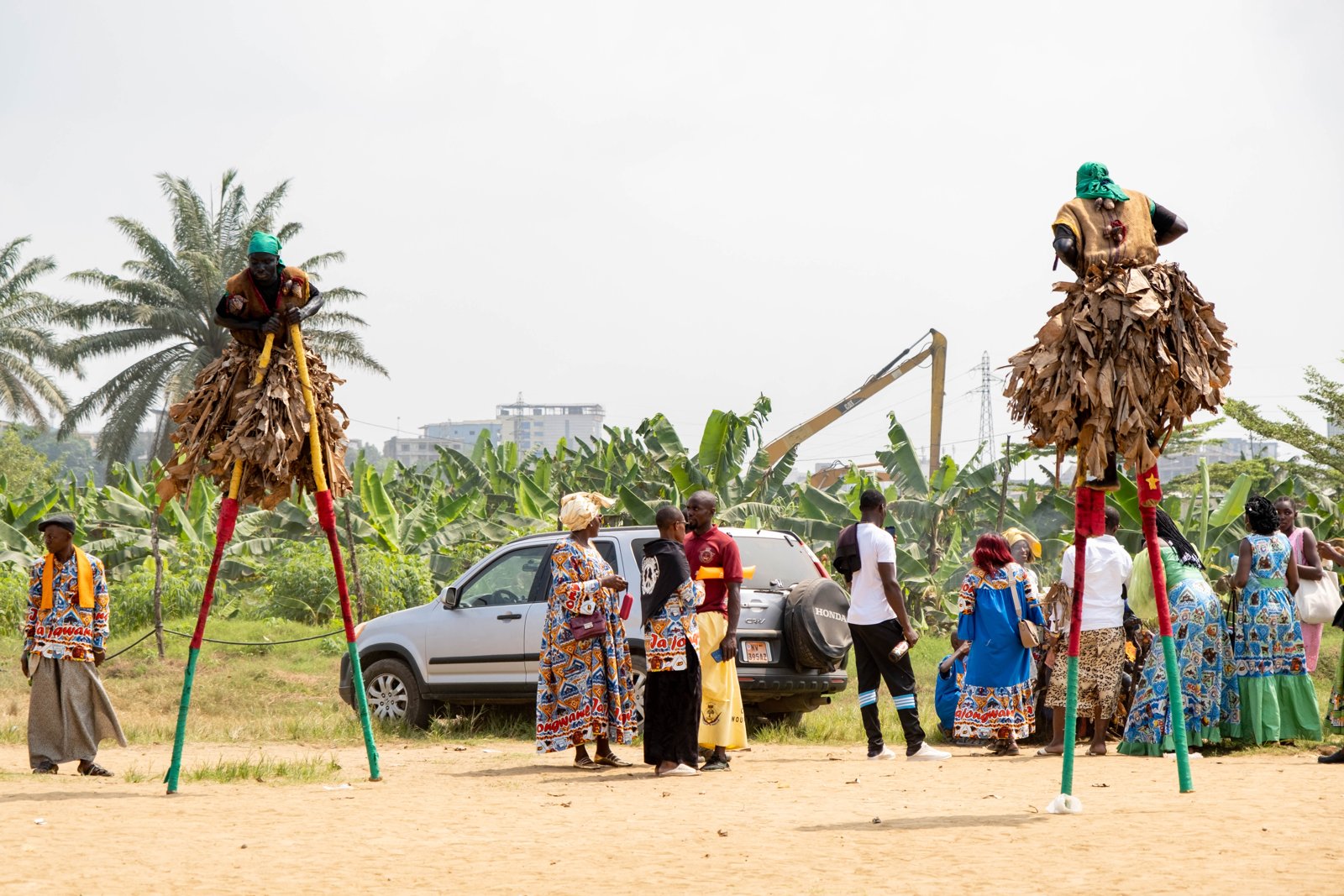
The UNESCO listing describes the Ngondo as a set of traditions built on the worship of water oracles, practised every year from September to the first Sunday of December. Its public part is a caravan that tours the traditional Sawa districts with performances, wrestling bouts, a crafts and trade fair and a beauty contest. The sacred part takes place on the river.
Ngondo is also the name of the Sawa people’s traditional assembly, which organises the festival. Osidimbea, a Cameroonian online encyclopaedia, says the word means umbilical cord in the Duala language, a sign of the bond between the clans. In the assembly’s founding story, the Duala clans joined forces against Malobè, a giant from the Pongo country said to have terrorised the markets. Osidimbea tentatively dates the assembly to around 1830 and King Ngando a Kwa of Akwa.
The annual Ngondo festival is more recent: Osidimbea and a 2025 report by China’s Xinhua news agency both date it to 1949. In 1991 the Ngond’a Duala became the Ngond’a Sawa and opened to the wider coastal peoples, Osidimbea says. Today the presidency rotates every two years among the paramount chiefs of member cantons such as Akwa, Bell, Deido, Bele-Bele, Bakoko and Bassa.
What happens at the Ngondo ritual on the Wouri?
On the first Sunday of December, according to UNESCO, crowds gather on the banks of the Wouri to watch the sacred canoe set off. A priest dives from it into the water carrying a vase that holds the community’s wishes and grievances. He surfaces some time later with a message from the oracles. The vase and the ritual dishes are prepared by a priestess, the Mangon, according to the UNESCO committee’s decision.
The message is deciphered in a sacred hut, passed to the district chiefs and then announced to the public. By tradition it guides the community until the next festival. In popular telling, the diver meets the water spirits, which Xinhua’s report rendered as “mermaids”, beneath the surface. The sacred parts of the rite are passed on through initiation, while the festive parts are learnt in families and neighbourhoods, UNESCO says.
At the 2025 Ngondo festival, the message read on the riverbank said the community stood “at the dawn of a new era, with its turbulence, but also its share of opportunities”, Xinhua reported. Thousands attended, the agency said, to mark the first anniversary of the UNESCO listing.
Why did UNESCO list the Ngondo festival?
UNESCO’s Intergovernmental Committee inscribed the Ngondo on its Representative List at its 19th session, held in Asunción, Paraguay, in December 2024. In its decision, the committee said the practice links Sawa of all origins to water, which they regard as a nurturing mother and the home of their divinities, and that it carries values of fraternity, solidarity, social cohesion and tolerance.
The element had been on Cameroon’s national heritage inventory since November 2019, the decision says, and the safeguarding plan includes teaching the tradition in schools and replanting mangroves along the coast. It is Cameroon’s second entry on the list, after the Nguon rituals of the Bamoun kingdom were inscribed in 2023. The Bamoun court’s treasures are shown at the Museum of the Bamoun Kings in Foumban.
What is planned for the 2026 Ngondo festival?
The organisers announced the theme of this year’s Ngondo festival on 28 April at the Palace of Sawa Culture in Douala, Cameroon Tribune reported. It is “Epene”, which means “awakening”, a word taken from the ancestors’ message read out in December 2025.
The organising committee is chaired by Gaston Mbodi Epée, paramount chief of Canton Bassa in Douala and current president of the Ngondo. In September his delegation met Sawa communities in Yaoundé to gather their views ahead of the December events, as part of a tour that also takes in the Sawa diaspora, the paper reported.
FAQ
When is the Ngondo festival in 2026?
The 2026 Ngondo festival is scheduled for 5 and 6 December in Douala, according to the organisers. The sacred rite on the Wouri takes place on the first Sunday of December, which this year is 6 December.
Who celebrates the Ngondo festival?
The Sawa, the coastal peoples of Cameroon, including the Duala of Douala. The traditional assembly that organises it also includes the Bakoko, Bassa of the Wouri and other coastal groups.
When did UNESCO recognise the Ngondo?
UNESCO inscribed “Ngondo, worship of water oracles and associated cultural traditions among the Sawa” on its Representative List of the Intangible Cultural Heritage of Humanity in December 2024.
What does the Ngondo diver do?
An initiated priest dives into the Wouri from a sacred canoe with a vase holding the community’s wishes and returns with a message from the water oracles, which is then interpreted and announced to the public.


