
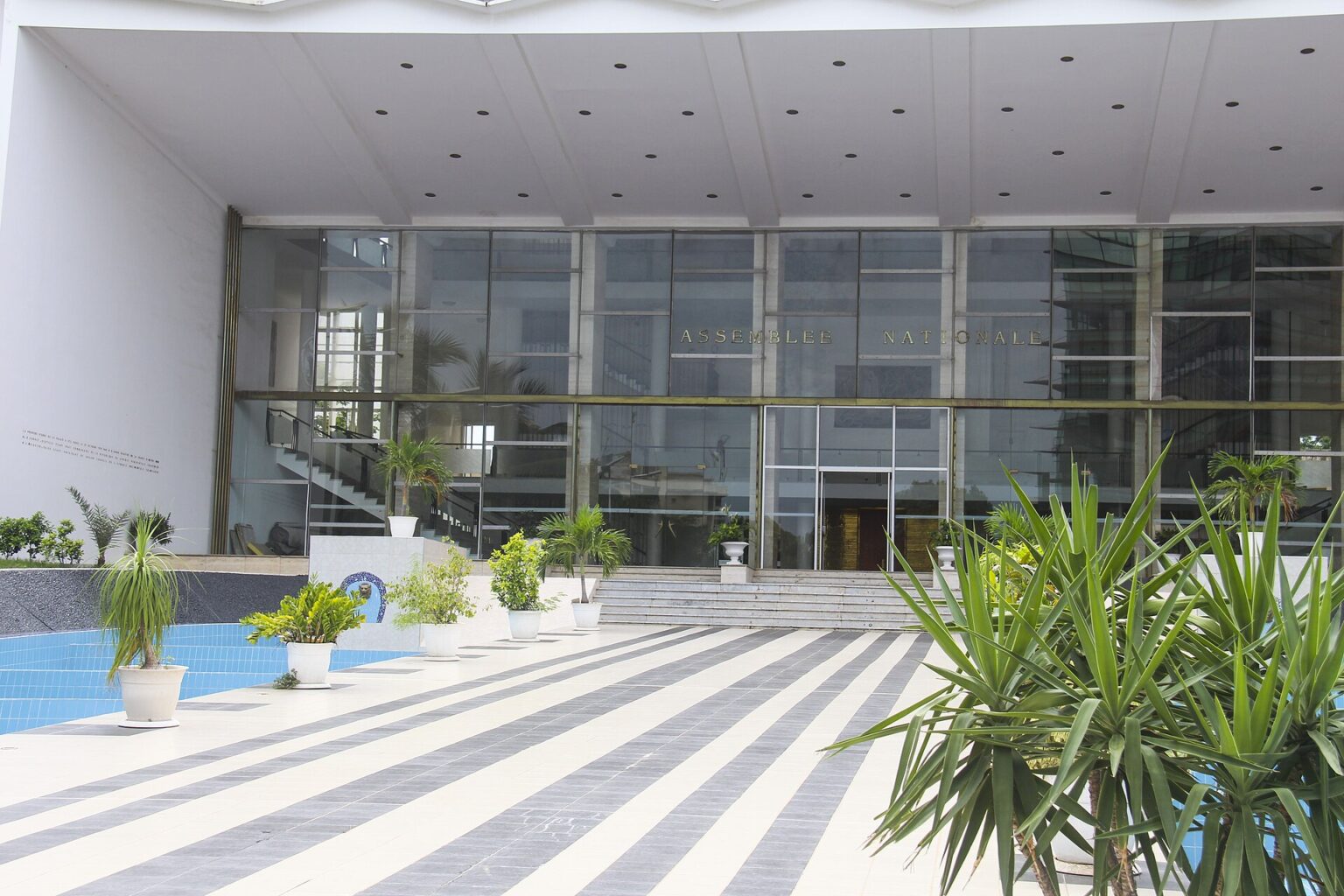

The Senegal budget standoff deepened on Wednesday as President Bassirou Diomaye Faye ordered the 2026 supplementary budget implemented at once, hours after MPs voted 128 to 9 to demand the withdrawal of the decree enacting it.
The two branches of government are now giving public officials opposite instructions on the same spending, and the Assembly has warned accountants and budget controllers that they could be held personally liable for carrying out the decree.
What did Faye order on the Senegal budget?
By decree 2026-2416 of 19 November, Mr Faye “put into force” the supplementary finance law for 2026, which had been with the Assembly since 18 September, according to the Council of Ministers communique of 25 November. He asked the prime minister and the minister of economy, finance and planning to take “without delay” all measures needed to carry out the programmes in the law, while respecting the budget balances set out in it (translated from French).
Citing his oath to “observe and ensure scrupulous observance” of the constitution and laws, Mr Faye said he was determined to ensure the regular functioning of the institutions, and told the government to respect Senegal’s international commitments, the communique said. He also stressed financing of the agricultural marketing season and a youth employment programme.
What did the National Assembly decide?
Earlier on Wednesday, MPs adopted a resolution by 128 votes to 9, with 2 abstentions, asking for the decree to be withdrawn, the Senegalese outlet Seneweb reported from the plenary. The text, tabled by the Pastef parliamentary group led by Ayib Daffe, described the decree as “a usurpation of legislative power” (translated from French).
The resolution urges authorising officers, budget controllers, public accountants and tax and customs officials to carry out their checks on any spending under the decree, and warns that their liability could be engaged, while saying the checks do not make them judges of the decree’s constitutionality, according to reports of the text. It also asks the finance committee to oversee any borrowing based on the decree.
Why does the Senegal budget dispute matter?
MPs rejected the supplementary budget bill on 3 November, and Mr Faye then enacted it by decree. The majority Pastef party, led by former prime minister Ousmane Sonko, has since broken with the president; Mr Sonko declared the split final this month, and MPs also voted down the first part of the 2027 budget.
The standoff matters for Senegal’s finances because a revised budget is part of talks on a proposed $2.2bn IMF programme, after the previous programme was halted in 2024 over misreported debt. Investors and lenders will watch which instruction the treasury and its accountants follow, and whether either side takes the decree to the Constitutional Council.
What happens next in the Senegal budget dispute?
The resolution has no force of law, but it puts public accountants, who must sign off on spending, between the presidency and the Assembly majority. The Senegal budget for 2027 also still has to pass parliament before the end of the year, and the government has not said how it will proceed if MPs reject it again.
Mr Faye has also continued to replace officials appointed under Mr Sonko’s government, including the head of the state property company Sogip, local media reported on Thursday.
FAQ
What is the Senegal budget dispute about?
MPs rejected the 2026 supplementary budget, but President Faye put it into force by decree on 19 November. The Assembly has now voted to demand the decree’s withdrawal, while Mr Faye has ordered its immediate implementation.
How did the Assembly vote on the Senegal budget decree?
The resolution asking for the decree’s withdrawal passed by 128 votes to 9, with 2 abstentions, Seneweb reported.
Why does the IMF matter to the Senegal budget?
Senegal is negotiating a proposed $2.2bn IMF programme, for which a revised budget is an important step.


