
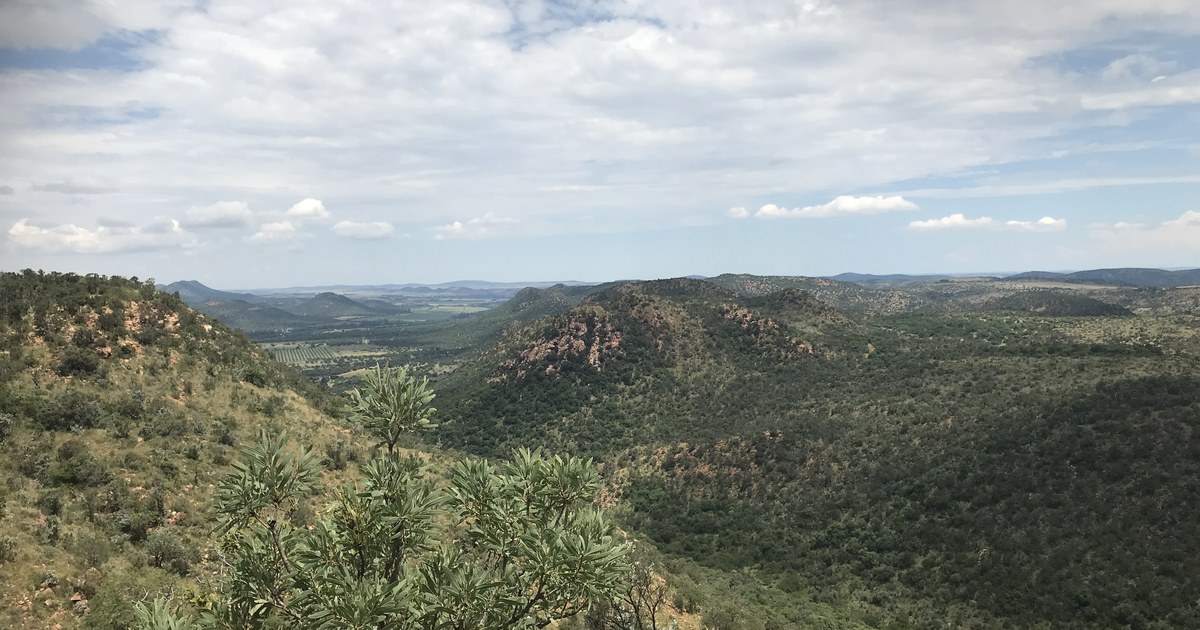

South Africa’s World Heritage Sites face weak governance, land invasions and unfinished management plans, a parliamentary committee said on 24 November, giving the environment department until 18 December to say how it will fix them.
The Portfolio Committee on Forestry, Fisheries and the Environment wants timelines for Vredefort Dome, Richtersveld and Barberton Makhonjwa, three of the country’s 12 sites on the UNESCO list, and answers on encroachment at Table Mountain National Park.
What did MPs find at South Africa’s World Heritage Sites?
The committee was briefed by the Department of Forestry, Fisheries and the Environment on integrated management plans at the sites and on the National Protected Area Expansion Strategy (NPAES) 2016 to 2036, covering all of the country’s World Heritage Sites, according to a statement from the Parliament of South Africa.
MPs welcomed growth in protected land and sea areas and work on management plans at World Heritage Sites, but listed a string of problems: governance weaknesses, delays in appointing and running management authorities, plans that are not carried out, breaches of national and international obligations, illegal land invasions, environmental damage, decaying infrastructure, disputes with stakeholders, land claims and a lack of resources.
“It is unacceptable that so little progress has been made since the first National Protected Area Expansion Strategy was adopted in 2008,” said Nqabisa Gantsho, the committee’s chairperson. She said the gaps identified then in expansion, oversight and enforcement, and community benefit were still unresolved.
Which World Heritage Sites does the committee want action on?
The committee asked for a plan with clear timelines to close management authority and management plan gaps at the Vredefort Dome, the Richtersveld Cultural and Botanical Landscape and the Barberton Makhonjwa Mountains. It wants accountability clarified where several authorities share a site, and safeguards on land restitution claims, community consent, co-management and benefit-sharing.
For Table Mountain National Park, part of the Cape Floral Region site, the department must respond in writing on land encroachment compliance, the “Save Table Mountain” petition submitted to the minister, a drought water abstraction request and the International Union for Conservation of Nature’s recommendations on baboon management.
The department has not yet responded publicly to the committee’s findings.
What must the department deliver by 18 December?
The committee wants a consolidated and verified national register of protected area management plans, including provincial and marine areas, and a national biodiversity action tracker with milestones and public reporting. It also asked for separate land and marine baselines, a costed plan for staff, infrastructure and public-private partnerships, details of the ongoing NPAES review, and outstanding management effectiveness assessments.
South Africa’s World Heritage Sites range from the Vredefort Dome, the world’s largest verified impact structure, to the Barberton Makhonjwa Mountains, which hold some of the oldest preserved rock on Earth, according to UNESCO. Other African sites on the list include Namibia’s Twyfelfontein rock art and Algeria’s Roman city of Timgad.
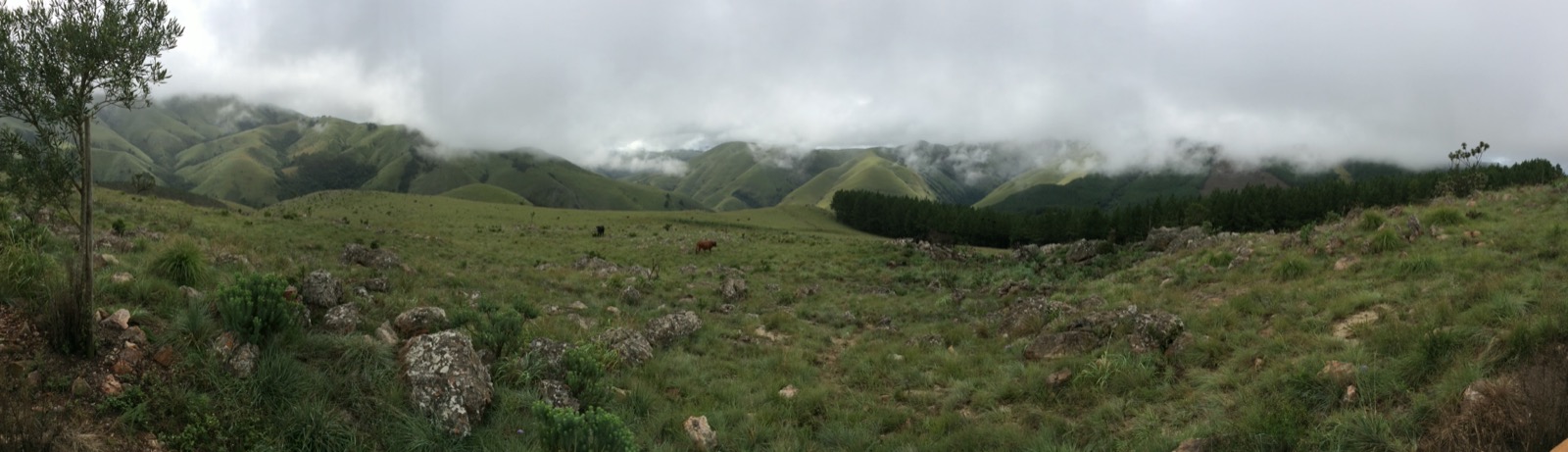
Several World Heritage Sites in South Africa are run by more than one authority, with national, provincial and local government, park agencies and communities all involved, which the committee said makes coordination and accountability harder. It asked for intergovernmental engagements to be followed by a written update on provincial management plans.
In its next term, the committee will meet the Land Claims Commission on claims over forestry and conservation land.
FAQ
How many World Heritage Sites does South Africa have?
South Africa has 12 properties on UNESCO’s World Heritage List, including the Vredefort Dome, the Richtersveld, the Barberton Makhonjwa Mountains and the Cape Floral Region.
What problems did the committee identify at South Africa’s World Heritage Sites?
It cited governance weaknesses, delayed management authorities, unimplemented plans, land invasions, environmental degradation, failing infrastructure, land claims and inadequate resources.
What is the deadline for the department?
The Department of Forestry, Fisheries and the Environment must submit its written responses on or before 18 December 2026.


