
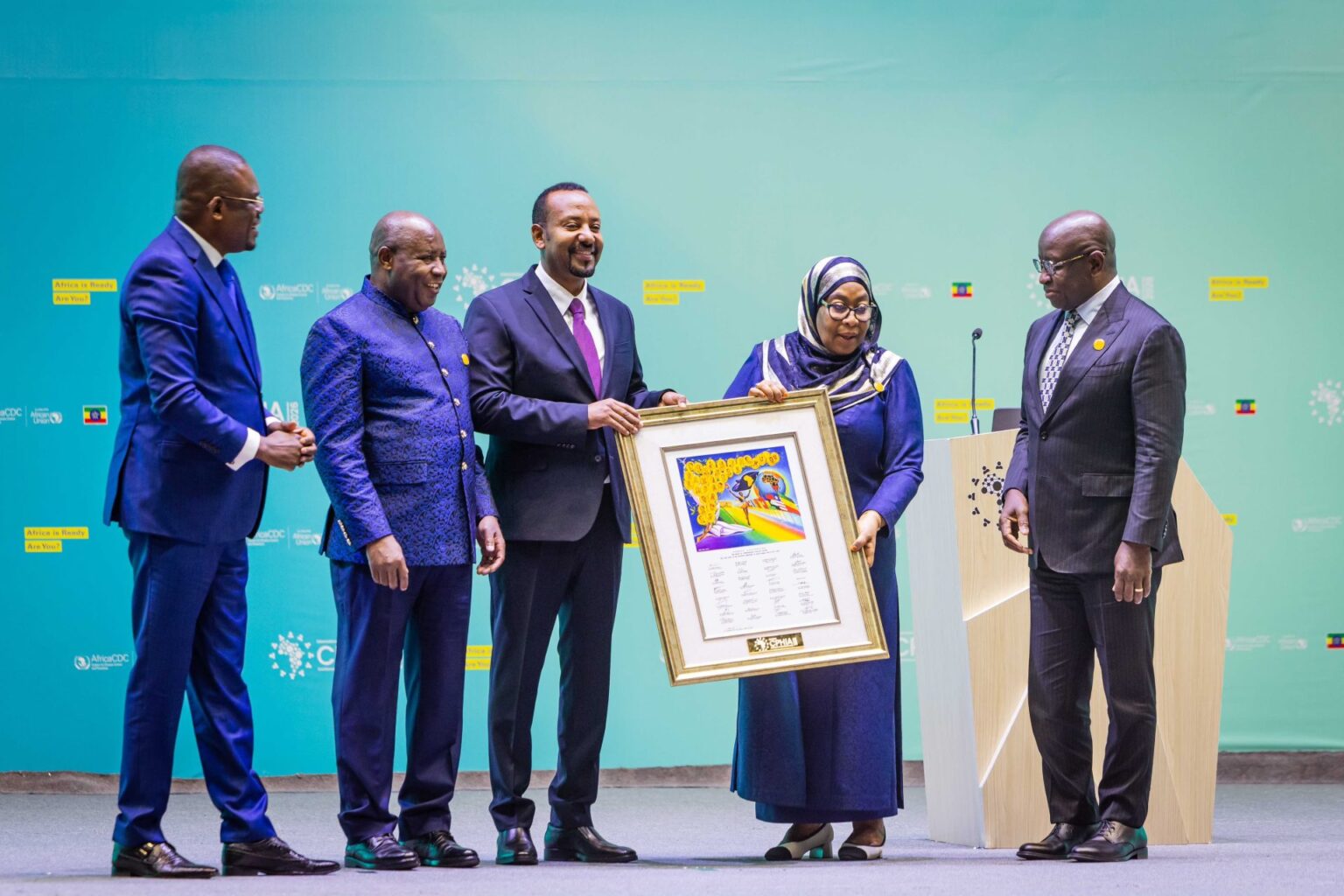

CPHIA 2026, Africa’s main public health conference, opened in Addis Ababa, Ethiopia, on Monday with Tanzania’s President Samia Suluhu Hassan launching an African Union roadmap that aims for zero preventable maternal and newborn deaths by 2030.
The five-day meeting comes as external health financing falls across the continent, and leaders used the opening to press governments to spend more of their own budgets on health. Africa CDC, the African Union’s public health agency, co-hosts the conference with the Ethiopian government and set out the opening in a statement on Tuesday.
What is CPHIA 2026 about?
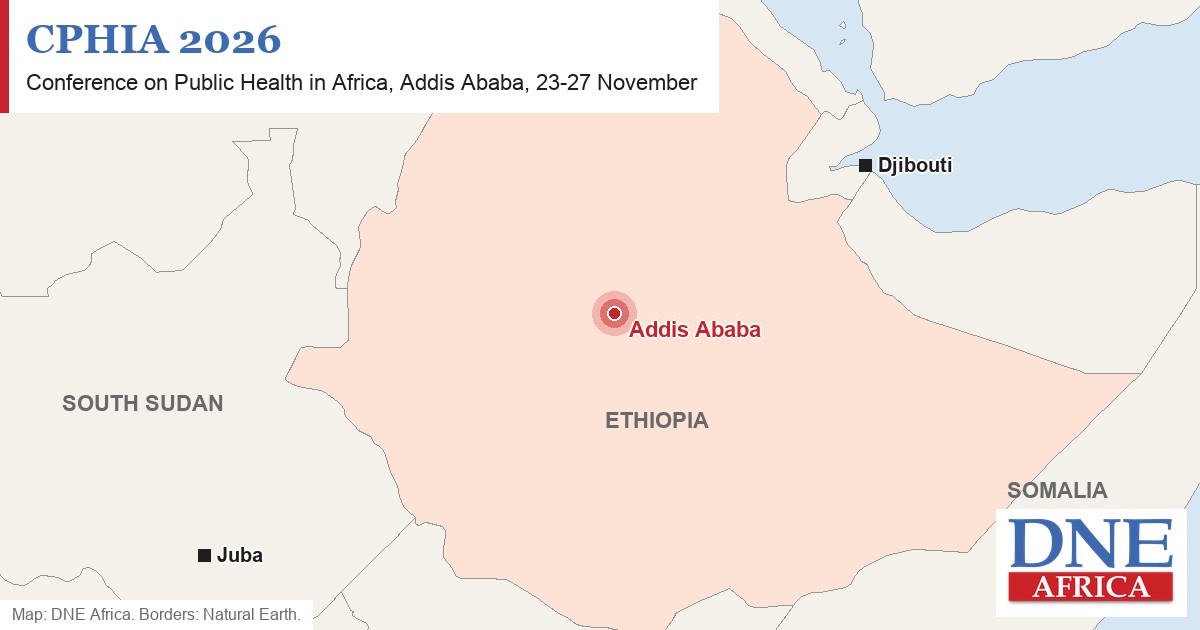
The fifth International Conference on Public Health in Africa runs from 23 to 27 November at the Addis International Convention Centre under the theme “Africa’s Health Security and Sovereignty: Transformation from Health Dependency and Vulnerability to Ownership and Resilience”. Ethiopia’s Prime Minister Abiy Ahmed, Burundi’s President Évariste Ndayishimiye, the AU chair, Sierra Leone’s President Julius Maada Bio and AU Commission Chairperson Mahmoud Ali Youssouf attended the CPHIA 2026 opening, Africa CDC said.
Jean Kaseya, Africa CDC’s director-general, told delegates the conference was “a movement for Africa’s security and sovereignty”. He added: “Sovereignty is coming with responsibility. Responsibility is coming with good governance, trust and accountability.”
What does the AU maternal health roadmap promise?
The AU Champions’ Continental Roadmap on Reproductive, Maternal, Newborn, Child and Adolescent Health for 2026 to 2030 sets three goals, which Africa CDC calls the Three Zeros: zero home deliveries, zero preventable maternal and newborn deaths, and zero unvaccinated children. President Hassan, whom the AU named its champion for maternal and child health, launched it at CPHIA 2026.
“The success of this roadmap will depend on effective national implementation,” Hassan said, calling on AU member states to name national focal points and build the Three Zeros into their health strategies. She announced an initial 60 scholarships for specialist training in midwifery, anaesthesia, obstetrics and gynaecology and neonatal care, according to Africa CDC.
The gap the roadmap targets is large. About 260,000 women died from causes related to pregnancy and childbirth in 2023, and sub-Saharan Africa accounted for around 70% of them, or about 182,000 deaths, according to the World Health Organization. The region’s maternal mortality ratio fell by 40% between 2000 and 2023 but remains the world’s highest. The roadmap follows an Africa CDC report on adolescent pregnancy released on Sunday, which found that one pregnancy in six on the continent is to an adolescent girl.
What did Ethiopia and Sierra Leone present at CPHIA 2026?
At CPHIA 2026, Ethiopia presented its AU Artificial Intelligence and Digital Health Championship, which promotes electronic health records and community-level digital systems. “A midwife in a remote district should be able to consult a specialist when complications arise,” Abiy said. He named three priorities for the continent: centres of medical excellence, joint purchasing of African-made medicines and health products, and stronger accountability for implementation.
President Bio said maternal deaths in Sierra Leone had fallen by about 34% and child deaths by 12% compared with the same period a year earlier, under a national campaign of weekly reviews of every maternal and child death. He said the campaign had reached 10,764 previously unvaccinated children. He did not give the period covered, and the figures could not be independently verified. He said maternal deaths had risen in Freetown.
Sierra Leone starts from one of the highest levels in the world: WHO estimates its maternal mortality ratio at 354 deaths per 100,000 live births in 2023, against 276 in Tanzania and 195 in Ethiopia, WHO data show.
Why is health financing at the centre of CPHIA 2026?
Youssouf urged governments to meet the 2001 Abuja Declaration target of spending at least 15% of national budgets on health, and to speed up local production of medicines and vaccines and use pooled procurement, Africa CDC said.
Government health spending in WHO’s African region averages 7.3% of general government expenditure, less than half the Abuja target, and out-of-pocket payments make up about 36% of all health spending, according to WHO’s regional office for Africa. Funding pressures have already hit outbreak response, including the Ebola response in the Democratic Republic of Congo.
What happens next?
CPHIA 2026 continues until Friday with scientific sessions and ministerial meetings. Under the roadmap, member states are asked to designate national focal points and fold the Three Zeros into their national health plans; Africa CDC has not yet published the full roadmap text or a timetable for reporting progress.
FAQ
What is CPHIA 2026?
CPHIA 2026 is the fifth International Conference on Public Health in Africa, co-hosted by Africa CDC and the Ethiopian government in Addis Ababa from 23 to 27 November.
What are the Three Zeros?
They are the goals of the AU’s 2026-2030 maternal and child health roadmap: zero home deliveries, zero preventable maternal and newborn deaths, and zero unvaccinated children.
Who launched the roadmap at CPHIA 2026?
Tanzania’s President Samia Suluhu Hassan, the AU’s champion for maternal and child health, launched it and pledged 60 scholarships for specialist maternal and newborn care training.
What is the Abuja Declaration target?
African governments agreed in Abuja in 2001 to spend at least 15% of their national budgets on health. WHO says the average in its African region is 7.3%.


