
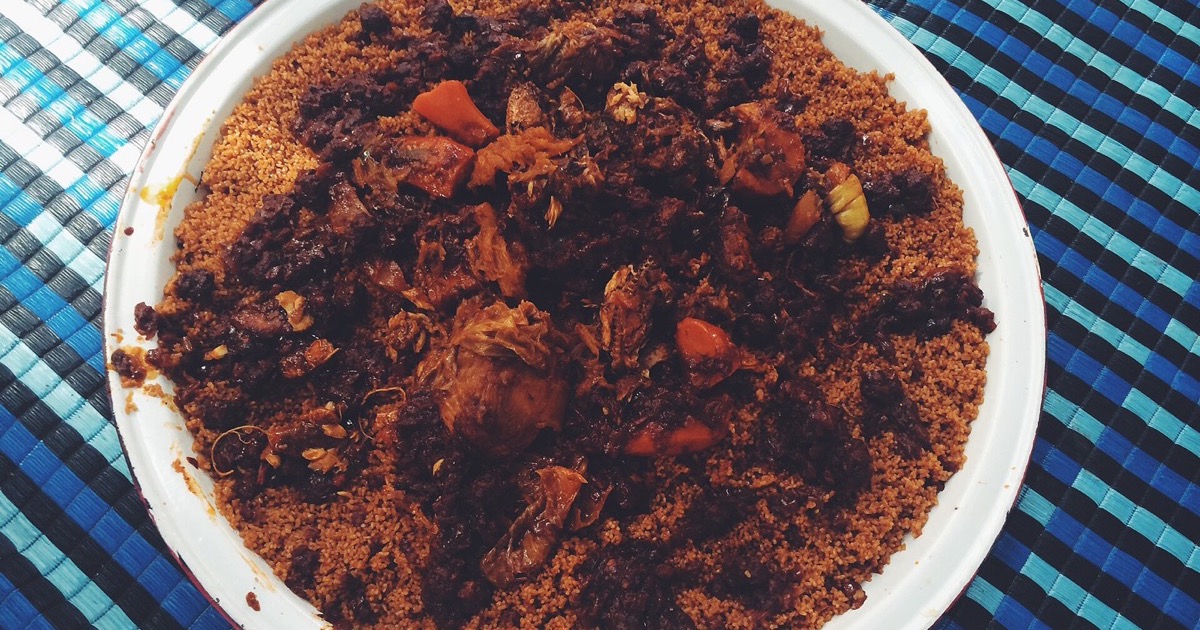

Thieboudienne, the rice and fish dish that Senegal calls its national dish, began in the fishing quarters of Saint-Louis and was added to UNESCO’s list of the intangible cultural heritage of humanity in December 2021.
The listing, under the Wolof name ceebu jën, covers the recipe along with the skills, table manners and family customs that go with the meal, which UNESCO says are seen as “an affirmation of Senegalese identity”. The fifth anniversary of the inscription falls next month.
What is thieboudienne?
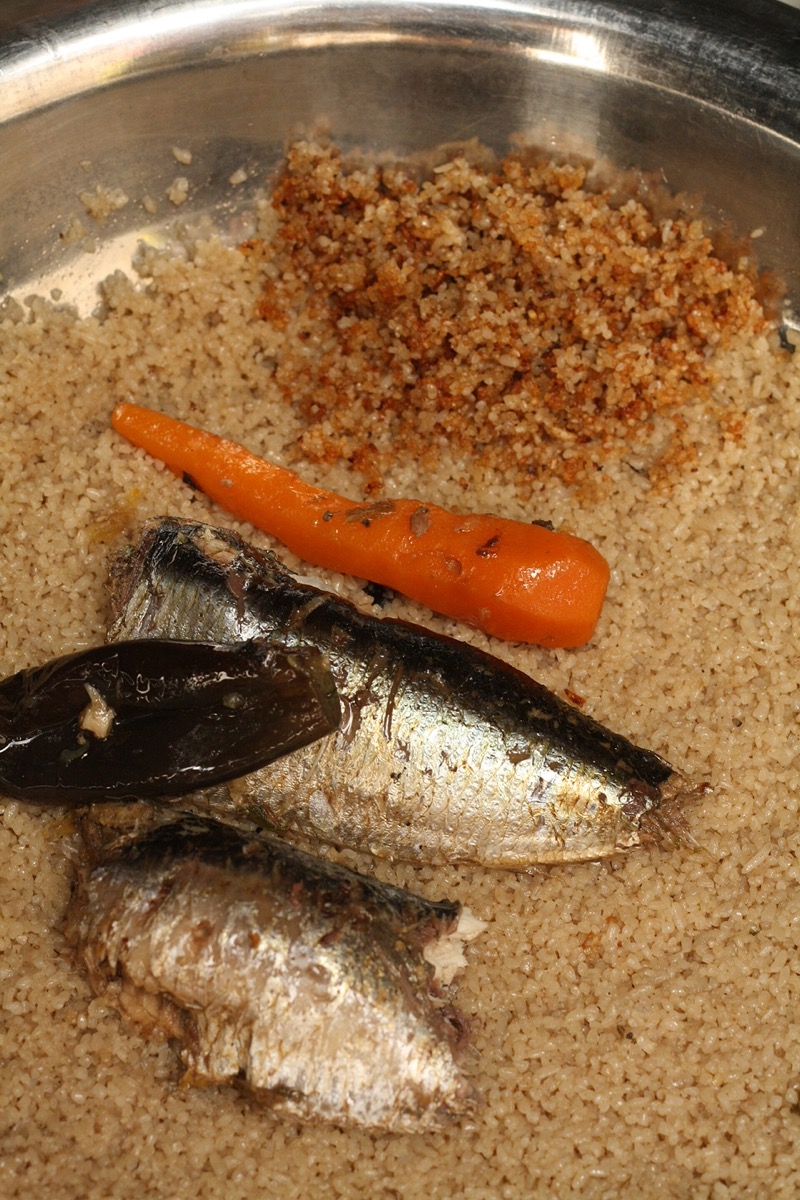
The name means “rice and fish” in Wolof, and thieboudienne is the common French-style spelling. The UNESCO listing describes a dish typically made with fish steak, broken rice, dried fish and molluscs, cooked with seasonal vegetables: onions, garlic, chilli, tomatoes, carrots, aubergine, white cabbage, cassava, sweet potato and okra, with parsley and bay leaf.
Recipes differ from one region to the next. The quality of the fish and the choice of vegetables depend on the importance of the occasion, or on how fond the cook is of the guest, according to UNESCO. A version cooked without tomato is often called white thieboudienne.
Where did thieboudienne come from?
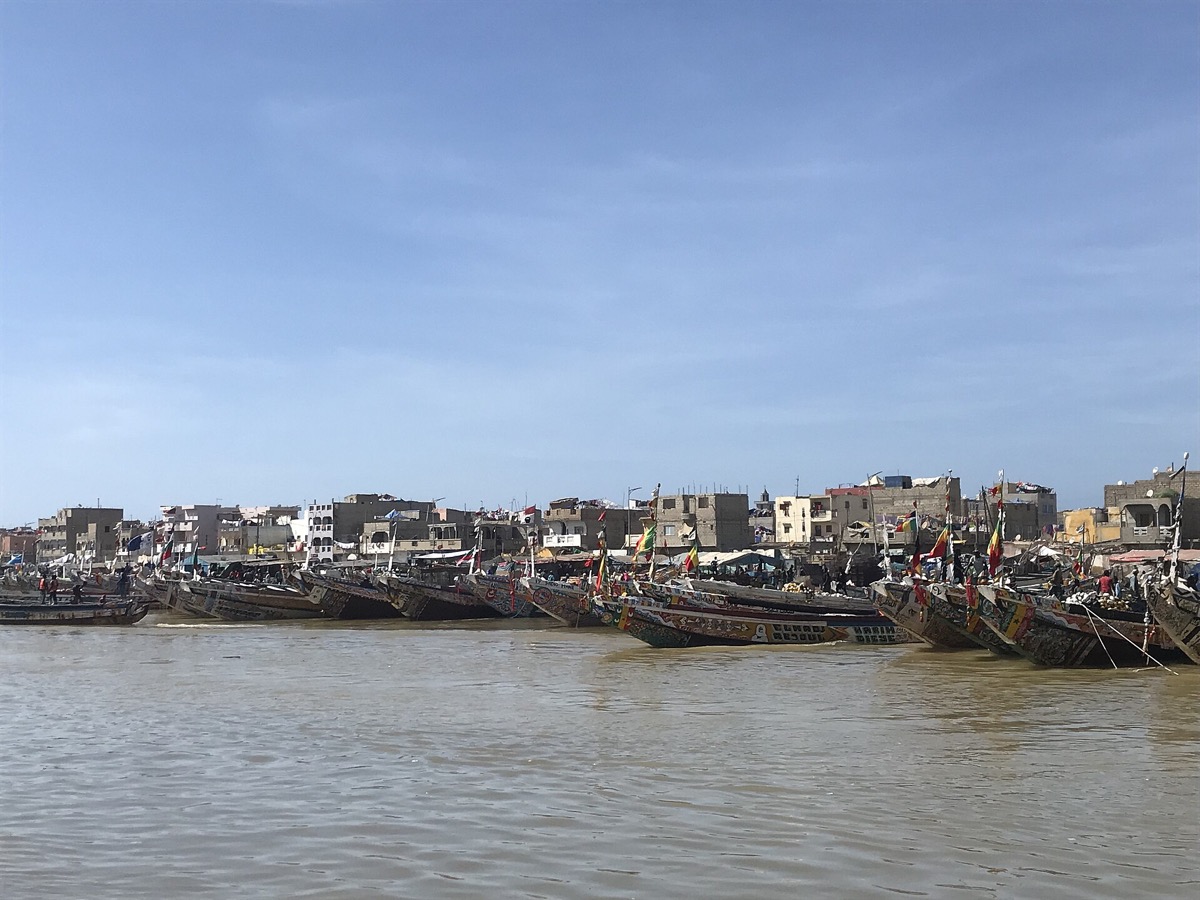
UNESCO traces the dish to the fishing communities of the island of Saint-Louis, the former colonial capital at the mouth of the Senegal river, which is itself a World Heritage site. Senegal’s nomination file, as published by Au Senegal, places its home in the fishing villages on the Langue de Barbarie, the sand spit alongside the island: Goxu Mbacc, Ndar Toute and Guet Ndar, now districts of the city.
According to local tradition, the recipe was created by Penda Mbaye, a cook from Guet Ndar. The nomination file records her name as another name for the dish. Accounts of when she lived and how she came up with the recipe vary, and they rest largely on oral history rather than written records.
Why is thieboudienne made with broken rice?
Senegal’s nomination file says the French colonial authorities imposed cash crops and brought in rice from Indochina to replace local food crops, and that fishing communities adapted by inventing a dish of rice and fish.
Agricultural economists Kofi Britwum and Matty Demont, writing for the International Rice Research Institute’s Rice Today in 2022, link the pattern to the expansion of groundnuts as an export crop, which led colonial governments to import cheap rice from Indochina. Imported broken rice, they write, has since become “a food identity marker” for local dishes. Many urban consumers in Senegal, the Gambia and Mauritania still prefer rice made up entirely of broken grains.
How is thieboudienne eaten and passed on?
In most families the meal is eaten by hand from a shared bowl, though restaurants usually provide spoons or forks. UNESCO lists customs that go with it: diners should not sit with a raised knee, the bowl is held with the left hand and grains of rice should not be dropped.
The skills are traditionally handed down from mother to daughter. In its 2021 decision, UNESCO’s intergovernmental committee noted that girls can usually master thieboudienne by the age of 15 to 17, and that more men now cook it. Families, women’s groups and hospitality schools keep the practice alive, the committee said.
The dish was entered in Senegal’s national inventory of intangible heritage in 2019, a register run by the culture ministry, the Saint-Louis regional cultural centre and Gaston Berger University. At the UNESCO session in December 2021, Senegal’s file was presented by Souleymane Jules Diop, the country’s permanent delegate, and adopted unanimously without debate, Au Senegal reported. Ceebu jën joined the xooy, a Serer divination ceremony listed in 2013, among Senegal’s inscribed traditions. Ghana’s highlife music is a more recent African addition to the same list.
For more on Senegal’s cultural heritage, DNE Africa’s books series this week covered Mariama Ba’s So Long a Letter.
FAQ
What is thieboudienne made of?
Thieboudienne is broken rice cooked with fish, dried fish and molluscs and seasonal vegetables such as onions, tomatoes, carrots, aubergine, cabbage, cassava and okra, according to UNESCO.
When did UNESCO list thieboudienne?
UNESCO inscribed “Ceebu Jën, a culinary art of Senegal” on its Representative List of the Intangible Cultural Heritage of Humanity at its committee’s 16th session in December 2021.
Who invented thieboudienne?
Local tradition credits Penda Mbaye, a cook from the Guet Ndar fishing quarter of Saint-Louis. The details of her life rest mostly on oral history.
What does ceebu jen mean?
Ceebu jen is Wolof for “rice and fish”. Thieboudienne is the common French-style spelling of the same name.


