
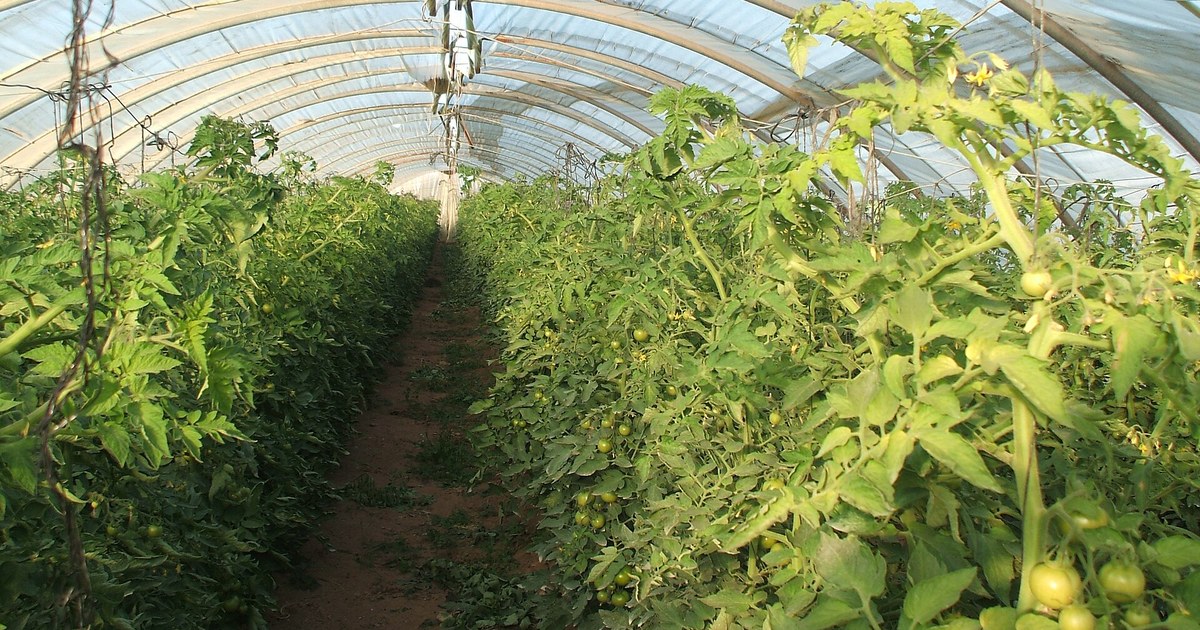

Morocco tomato virus losses have halved the area planted with tomatoes, and growers say no seed variety yet resists the disease, after the agriculture minister warned the kingdom could have to import tomatoes within three years.
Morocco is one of the largest suppliers of fresh tomatoes to Europe, and the crop is a mainstay of farming in the Souss-Massa region around Agadir, so a lasting fall in output would hit export earnings, rural jobs and food prices at home.
What has the minister said about the Morocco tomato virus?
Khalid Hatimi, the minister of agriculture, maritime fisheries and food sovereignty, told the productive sectors committee of the House of Representatives on 11 November that Morocco had lost about 50 per cent of its tomato-growing area and about 30 per cent of productivity, Journal24 and other Moroccan outlets reported (in Arabic). He was presenting his ministry’s 2027 budget.
In Chtouka Ait Baha, one of the main producing areas for the domestic market, the planted area fell from 8,000 to 4,000 hectares, the minister said. If the problems were not solved, Morocco could have to import tomatoes within three years, he warned, and he called for exports to be organised so that the needs of Moroccan consumers came first.
What is ToBRFV?
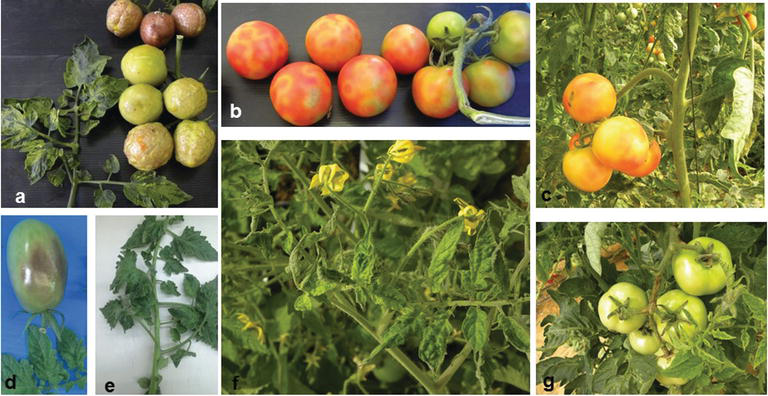
Tomato brown rugose fruit virus, or ToBRFV, is a highly contagious plant virus first identified in 2014 that spreads through seeds, tools, hands and plant contact. It causes mottled leaves and brown, wrinkled patches on fruit, which cannot then be sold. The European and Mediterranean Plant Protection Organization tracks its spread across tomato-growing countries and recommends that its members regulate it.
The virus can survive for months on surfaces and in soil residues, which makes it hard to clear from greenhouses once it is established.
Why do growers say resistant seeds are not enough?
Abdelaziz El Maanaoui, president of the Chtouka farmers’ association, told Hespress on Thursday that varieties recently marketed as resistant still become infected. Their symptoms are milder, but their yields are lower, he said (translated from Arabic).
Seed companies describe the new varieties as having “high” or “intermediate” resistance without guaranteeing full protection, which leaves farmers carrying the risk, he said. “If the situation continues like this, it will be difficult for farmers to keep going and keep taking losses while waiting for a tolerant variety,” he said, calling for government support until a lasting solution is found.
What does the Morocco tomato virus mean for prices and exports?
Tomato prices in Moroccan markets have risen, with some outlets reporting 17 dirhams a kilogram in some shops this month. The minister’s call to put domestic consumers first echoes early 2023, when the government restricted some tomato exports to calm prices at home.
Lower output would also reduce supplies to the European Union and the UK, Morocco’s main markets for fresh tomatoes in winter, when Moroccan produce fills the gap left by European growers.
What happens next?
Parliament is still debating the 2027 budget, which has already brought extra spending on housing aid. Growers want support for testing, hygiene measures and seedlings while plant breeders work on fully resistant varieties, and the ministry has not yet announced a specific programme for the Morocco tomato virus.
FAQ
What is the Morocco tomato virus?
It is tomato brown rugose fruit virus (ToBRFV), a contagious plant virus that damages fruit and is spreading in Moroccan greenhouses.
How much production has Morocco lost?
The agriculture minister said Morocco had lost about half of its tomato-growing area and about 30 per cent of productivity.
Could Morocco import tomatoes?
The minister warned that Morocco could have to import tomatoes within three years if the problems are not solved.
Are there resistant varieties?
Some seeds are sold as resistant, but growers say they still become infected and yield less.


