
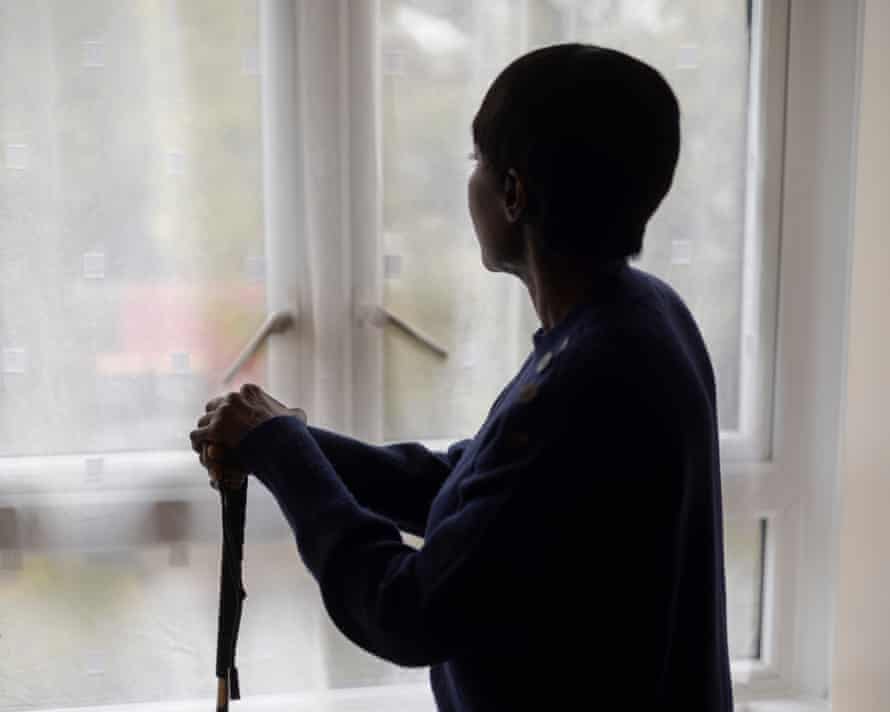

The UK Home Office has mistakenly told a 67-year-old blind Nigerian woman who has lived in Britain for 26 years that she could safely return to India, a country she has never visited, in a case highlighting concerns over the country’s increasingly restrictive immigration settlement rules.
According to a report published by British newspaper The Guardian on November 14, the woman, identified under the pseudonym Comfort, arrived in the UK in 2000 and lost her sight shortly afterwards after developing acute glaucoma.
After living in Britain for two decades, she was granted permission to remain under the long-residence immigration route in 2022. However, under the new settlement rules announced by Home Secretary Shabana Mahmood, she could now face nearly another 20 years of visa renewals before becoming eligible for indefinite leave to remain.
Under the previous arrangements, migrants granted permission to stay through the long-residence route were required to renew their visas every 30 months over a 10-year period before applying for permanent settlement.
Concerned about the impact of the revised requirements on the elderly and people with disabilities, lawyers representing Comfort at Refugee and Migrant Justice applied for exceptional consideration, seeking indefinite leave to remain without requiring her to wait another two decades.
However, the Home Office rejected the application. In its refusal letter, officials initially stated that she could return to Nigeria, citing the availability of services for blind people there. The letter subsequently concluded that her circumstances did not justify granting her indefinite leave to remain, referring instead to the availability of treatment in India.
“I don’t know why the Home Office said I could go back to India. It is a country I have never visited and have no connection with,” Comfort told The Guardian.
Expressing disappointment over the decision, she said she had made Britain her home after spending 26 years there, building relationships through her friends, church and voluntary work.
She also said she was distressed by the prospect of having to wait nearly another 20 years to secure permanent residency.
Nick Beales, head of campaigning at Migrant and Refugee Justice, criticised the decision, arguing that the woman was blind, in her late 60s and had spent a quarter of a century in Britain.
He said she met the requirements to remain in the country and questioned the public interest in forcing her to continue renewing her visa.
Beales also warned that the government’s proposed changes to settlement rules could create further difficulties for vulnerable migrants, particularly elderly applicants who may not live long enough to meet the extended residency requirements.
According to freedom of information data obtained by Refugee and Migrant Justice, some elderly migrants applying for settlement could face waiting periods extending beyond their life expectancy.
The Guardian reported that the disclosed government data included a 103-year-old Pakistani woman who, under the revised requirements, would not become eligible for settlement until she was 123.
Following the case, Home Office sources told The Guardian that corrective action was being taken to issue Comfort with an amended refusal letter.
A Home Office spokesperson said the department did not routinely comment on individual cases, adding that applications for permission to stay in Britain were assessed individually in accordance with immigration rules and the evidence submitted by applicants.
The controversy comes amid growing criticism from migrant rights organisations over the British government’s proposed overhaul of settlement arrangements, with campaigners warning that longer qualifying periods could disproportionately affect older migrants and other vulnerable groups.


