

Every year on May 25, Africans across the continent and around the world commemorate Africa Day, marking the 1963 establishment of the Organisation of African Unity (OAU), the precursor to the African Union. While the date serves as a reminder of the continent’s shared history and aspirations for unity, celebrations increasingly extend beyond a single day, reflecting Africa’s cultural diversity, economic dynamism, and growing global influence.
This year, Africa Day was marked through a rich tapestry of events ranging from trade exhibitions and business forums to cultural festivals, diaspora homecomings, and community gatherings, highlighting both the continent’s heritage and its ambitions for the future.
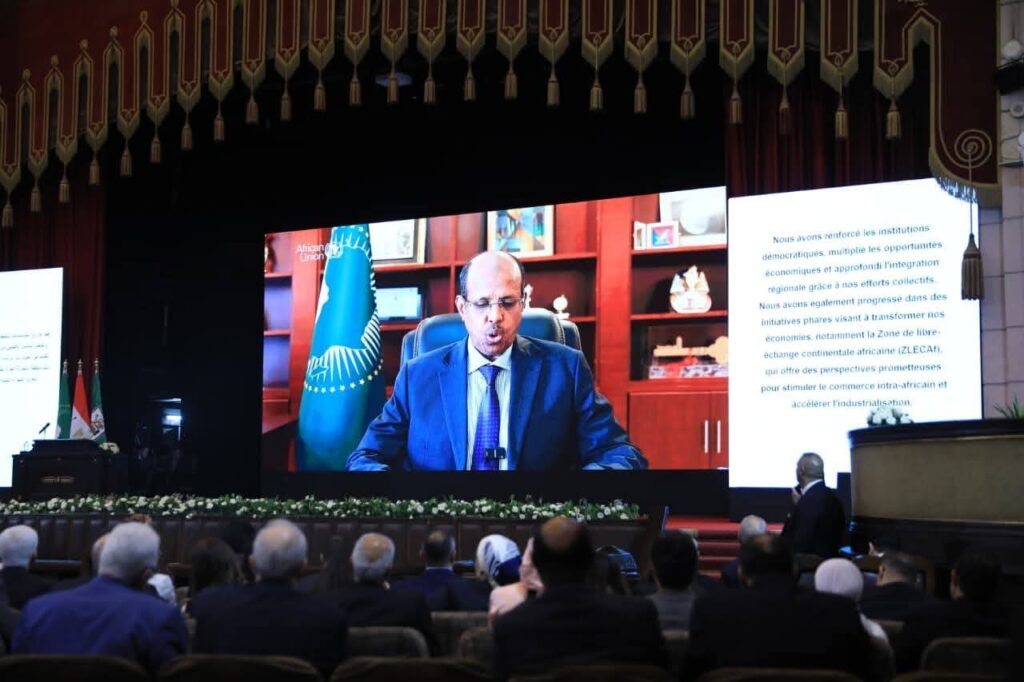
Cairo: Innovation and Culture Driving Africa’s Future
In Egypt, one of the founding members of the OAU, the celebration of African progress takes a distinctly forward-looking form.
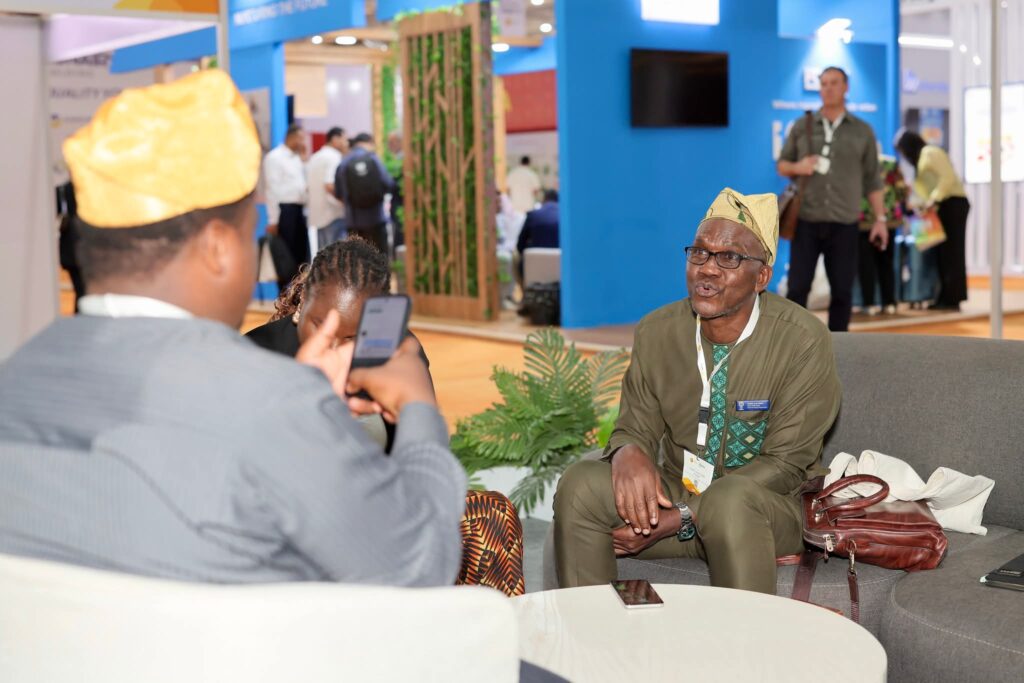
This month, Cairo hosted Fi Africa and ProPak MENA, a major industry gathering bringing together more than 400 exhibitors and 15,000 professionals from across the food processing, manufacturing, and packaging sectors.
While Africa Day commemorates the continent’s struggle for freedom and self-determination, events such as these reflect a modern interpretation of Pan-Africanism—one rooted in economic transformation and technological advancement.
The exhibition showcased solutions aimed at strengthening food security, reducing waste, and enhancing agricultural productivity. These goals align closely with Agenda 2063, the African Union’s long-term development blueprint aimed at fostering industrialization, intra-African trade, and sustainable growth.
The bustling exhibition halls offered a glimpse of an Africa increasingly shaped not only by political cooperation but also by entrepreneurship, innovation, and regional economic integration.
Beyond economics, Egypt’s Africa Day celebrations are also highlighting the continent’s rich cultural and literary heritage. The National Center for Translation is hosting discussions on African literature, including a signing and review of “The Girl Who Married a Lion… and Other Tales from Africa” by Alexander McCall Smith, alongside a cultural salon dedicated to the translation of African literature books. Scholars specializing in Amharic, Swahili, and Hausa literature are exploring themes of identity, language, and cultural expression across the continent.
Meanwhile, Beit El-Sennari, affiliated with the Bibliotheca Alexandrina, is presenting Spatial Echoes, an immersive artistic experience that combines projection mapping and audiovisual technology. The event transforms the historic venue into a dynamic canvas of light and sound, demonstrating how contemporary African and Egyptian artists are blending heritage with innovation.
The Next Generation of African Leadership
In Ghana’s Accra, preparations are underway for the launch of the 2026 Convergence of Young African Leaders (COYALA), which is set to begin in the coming days. The gathering aims to recognize, empower, and connect emerging African leaders, reflecting the continent’s growing investment in youth leadership and innovation as key drivers of Africa’s future.
Also, Nigeria is extending the spirit of Africa Day through policy and governance discussions. In Lagos, preliminary sessions for the African Remembrance Day Forum have begun at the MUSON Centre, where participants will examine issues related to governance, political leadership, and the future of democratic institutions across the continent.
Global Echoes of African Identity
The celebration extends well beyond Africa’s borders.
In London, diaspora communities continue Africa Month festivities through poetry readings, musical performances, art exhibitions, and culinary events that showcase the continent’s extraordinary diversity.
From Afrobeats concerts and spoken-word performances to markets featuring Nigerian jollof rice and Senegalese bissap, these gatherings demonstrate how African culture continues to influence and enrich societies worldwide.
Malawi: Celebrating Identity Through Culture

In Malawi, Africa Day has expanded into a week-long celebration of national identity through Standard Bank Malawi’s Africa Week campaign. Centered on cultural symbols such as Lake Malawi, Mount Mulanje, and the Chitenje fabric, the initiative combines heritage, community engagement, and storytelling while promoting inclusion and national pride.
These celebrations reflect a growing recognition that Africa’s development story is inseparable from its cultural identity.


