
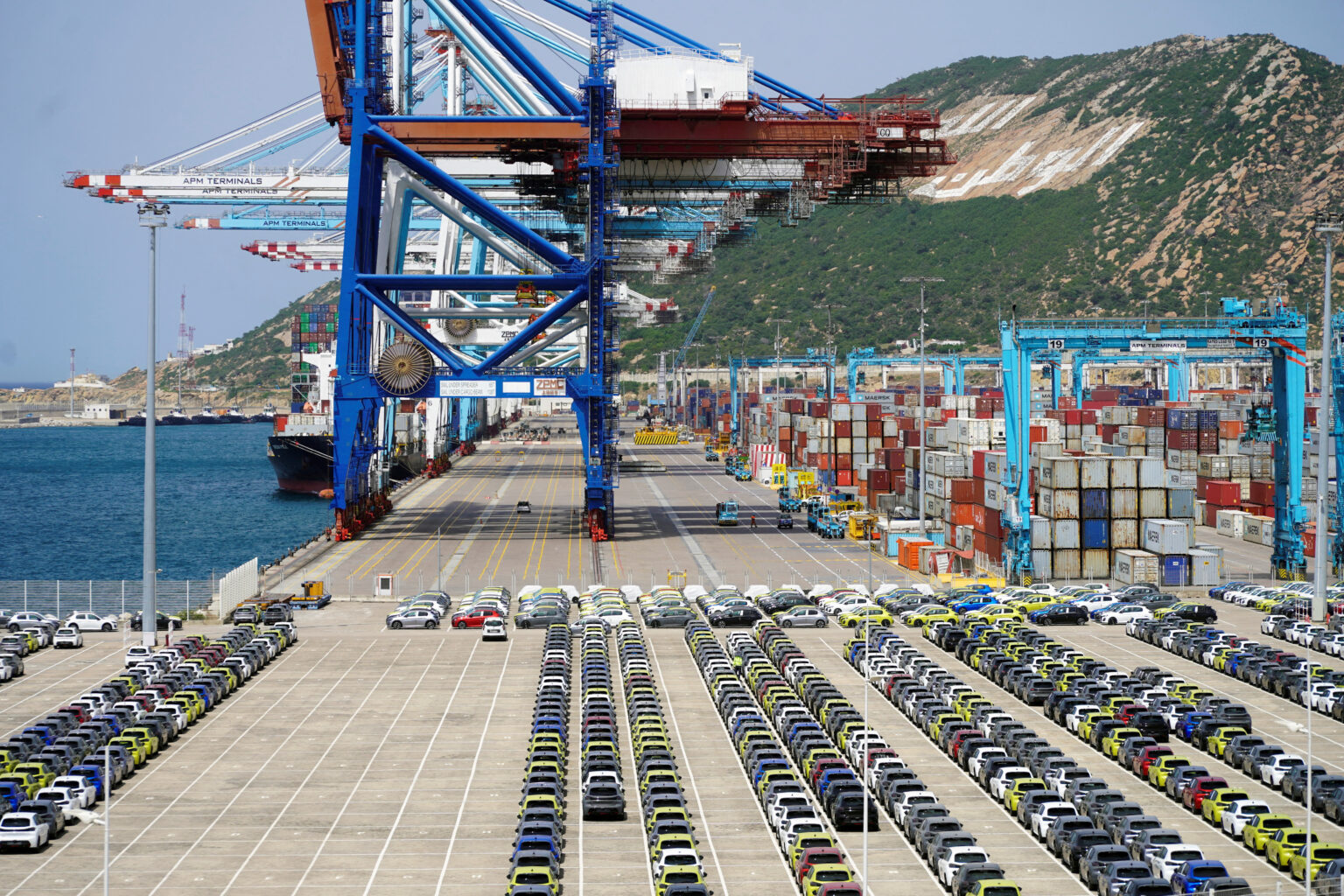

Africa’s port landscape is increasingly being shaped by efficiency, connectivity and investment, with Morocco’s Tanger Med emerging as the continent’s leading container port in the latest global performance ranking, while Egypt maintains a strong position through multiple major maritime gateways.
The latest Container Port Performance Index (CPPI), released in June 2026 by the World Bank and S&P Global Market Intelligence, ranks Tanger Med sixth globally among 400 container ports, making it Africa’s highest-ranked port. Egypt’s Port Said followed in 15th place globally, while Djibouti ranked 53rd.
1.Tanger Med, Morocco
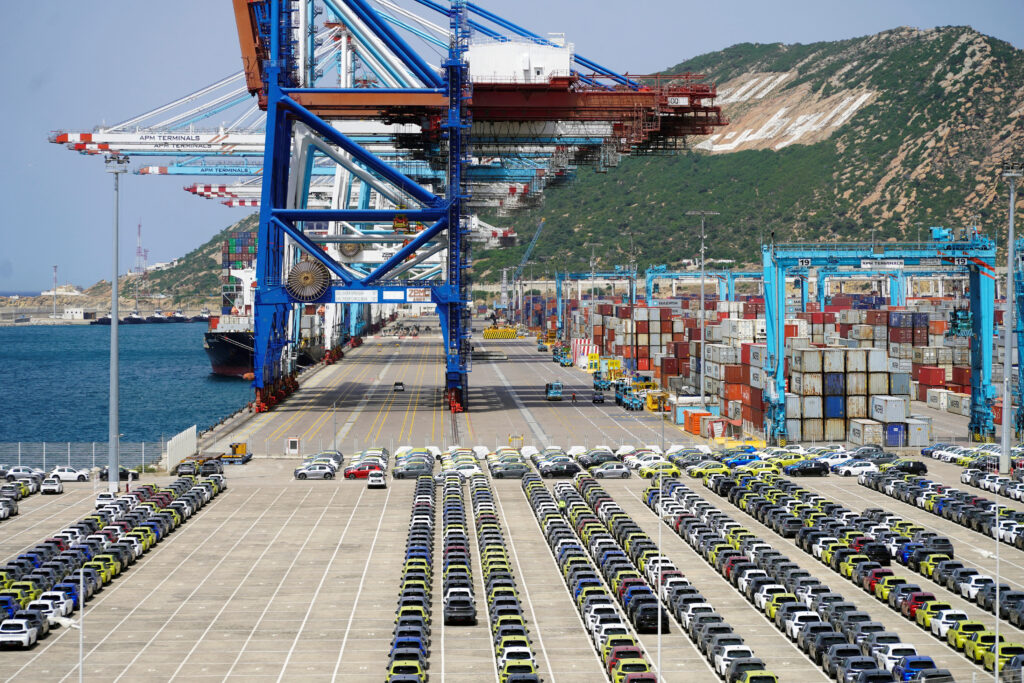
Tanger Med is Africa’s leading performer in the latest CPPI, ranking sixth worldwide. Its position reflects the efficiency of a major transshipment and logistics hub located on the Strait of Gibraltar, one of the world’s key maritime crossroads.
The port has also become closely integrated with Morocco’s industrial and logistics infrastructure, strengthening its role beyond container handling and supporting the country’s wider export economy.
2. Port Said, Egypt
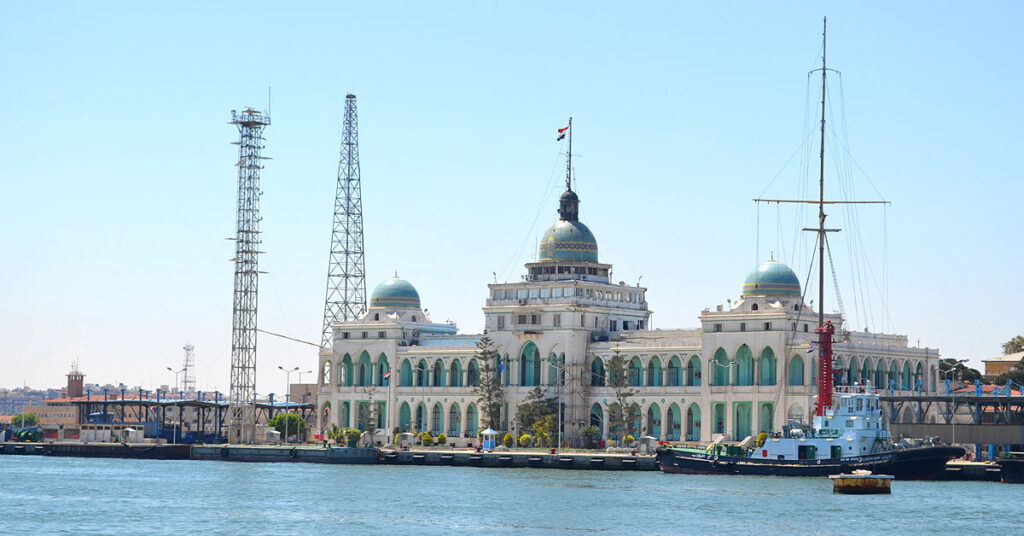
Port Said ranked 15th globally and second in Africa. Its location at the northern entrance of the Suez Canal gives it a strategic role in one of the world’s busiest maritime corridors.
Its performance in the latest CPPI was affected by disruptions to shipping through the Suez Canal and Red Sea, but the port remains one of Africa’s most important international gateways.
3. Djibouti
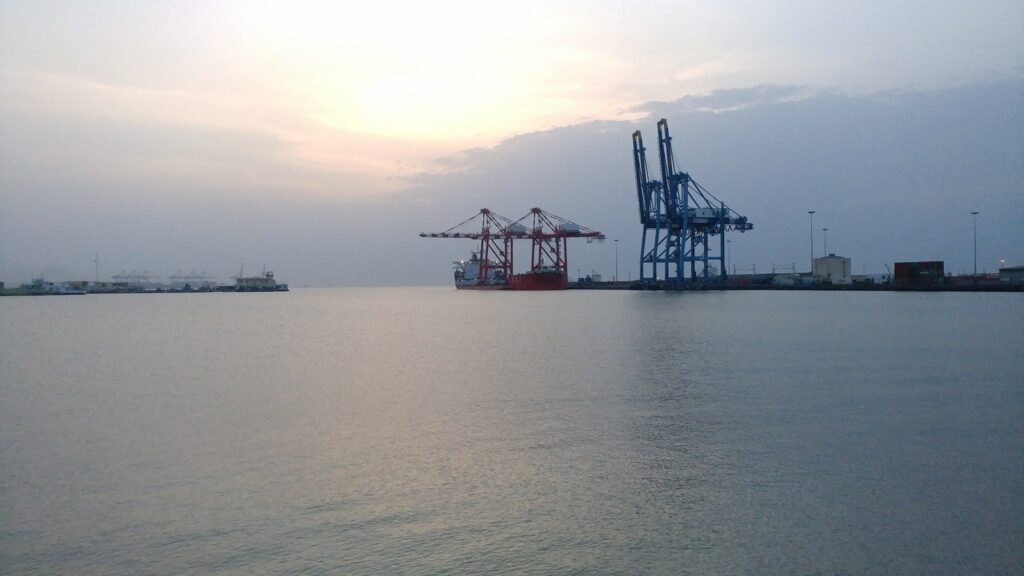
Djibouti ranked 53rd globally, placing it third in Africa. Its strategic location at the entrance to the Red Sea makes it a critical gateway for the Horn of Africa, particularly for landlocked Ethiopia.
The port’s importance extends beyond Djibouti itself, as its infrastructure serves regional trade and connects inland economies to international shipping routes.
4. Damietta, Egypt
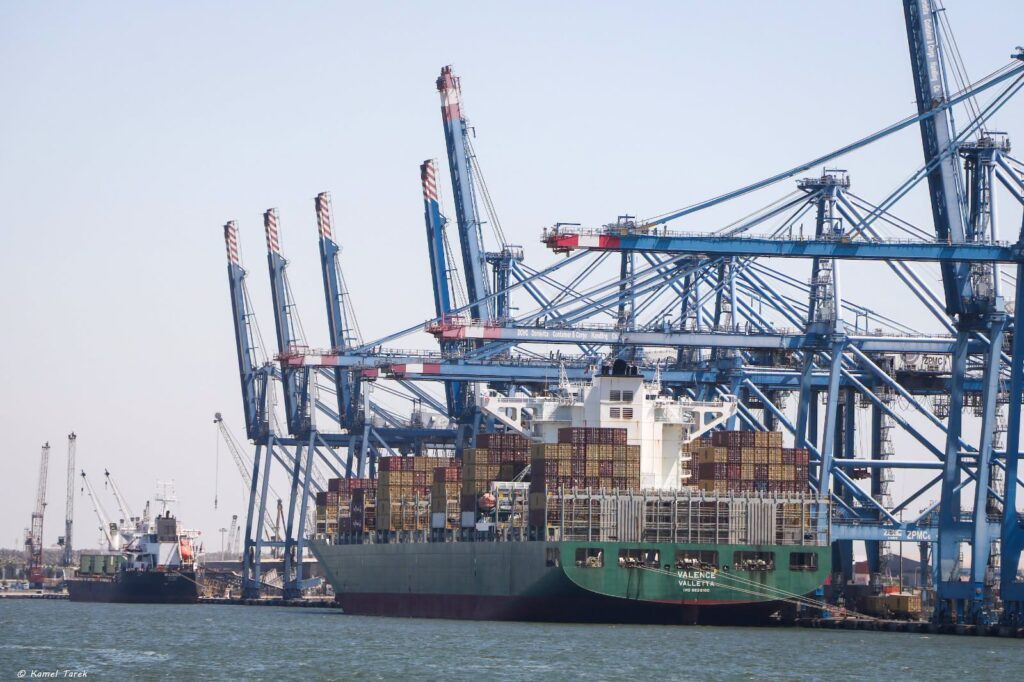
Damietta ranked 105th globally and fourth in Africa. The Egyptian port is part of the country’s expanding network of Mediterranean and Red Sea gateways and plays an important role in container and maritime trade.
Its position among Africa’s top-performing ports further strengthens Egypt’s presence in the continental rankings.
5. Ain Sokhna, Egypt
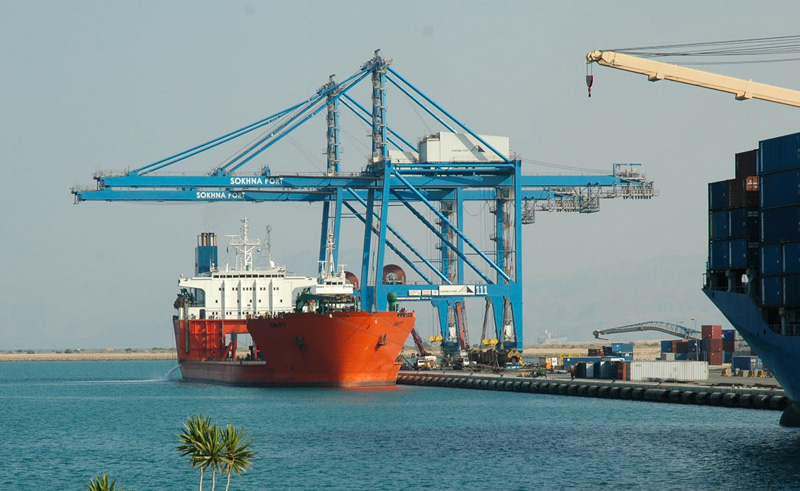
Ain Sokhna ranked 115th globally and fifth in Africa. Located on Egypt’s Red Sea coast, the port benefits from its proximity to the Suez Canal and its connection to industrial and logistics activities in the Suez Canal Economic Zone.
Its development reflects Egypt’s strategy of combining port infrastructure with industrial and logistics investment.
6. Mogadishu, Somalia
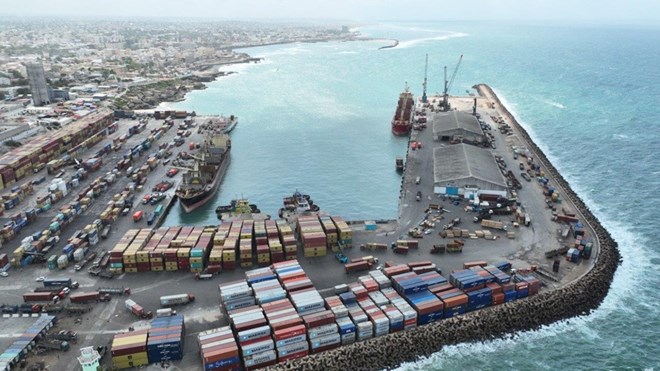
Mogadishu ranked 127th globally, placing it sixth in Africa. Its position highlights the gradual development of Somalia’s maritime infrastructure as the country seeks to strengthen trade and improve its integration into regional shipping networks.
7. Dakar, Senegal
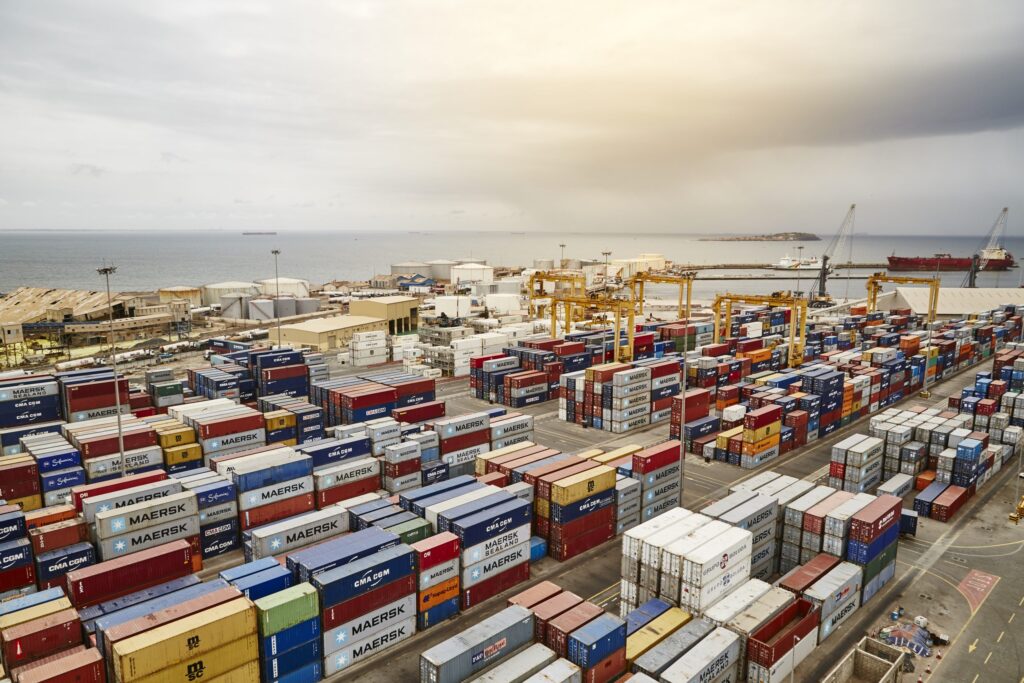
Dakar ranked 144th globally and seventh in Africa. The Senegalese capital remains an important maritime gateway for West Africa and serves as a key link between international shipping routes and regional markets.
The port is also positioned to benefit from Senegal’s wider investment in logistics infrastructure and the development of the Ndayane port project.
8. El Dekheila, Egypt
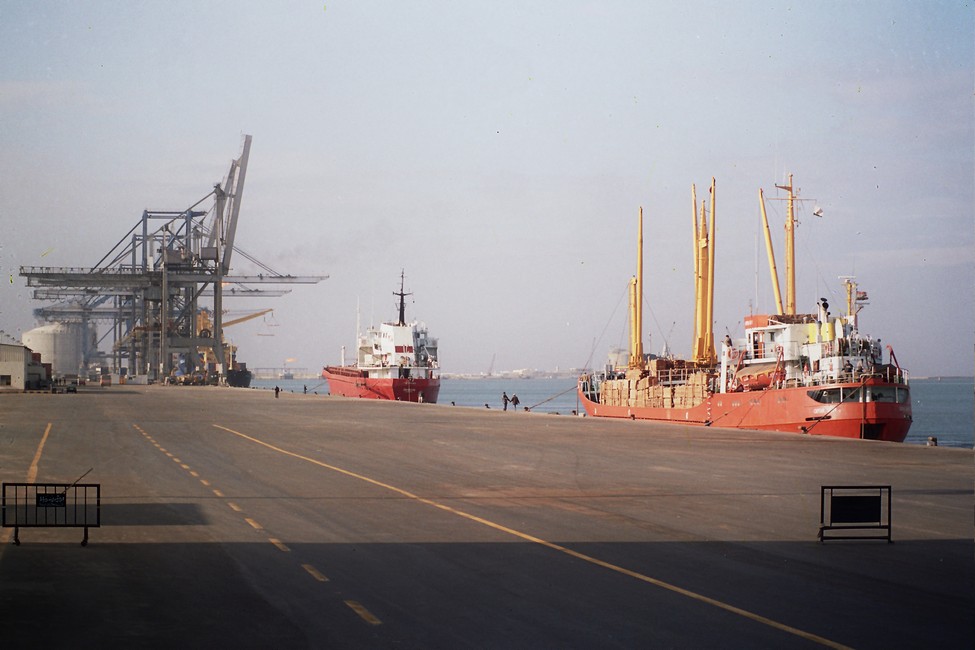
Egypt’s El Dekheila port ranked 179th globally and eighth in Africa, adding another Egyptian gateway to the continent’s top 10.
The concentration of four Egyptian ports among Africa’s top eight in the CPPI underlines the scale of Egypt’s maritime network and its strategic position between the Mediterranean, Red Sea and major international trade routes.
9. San Pedro, Côte d’Ivoire
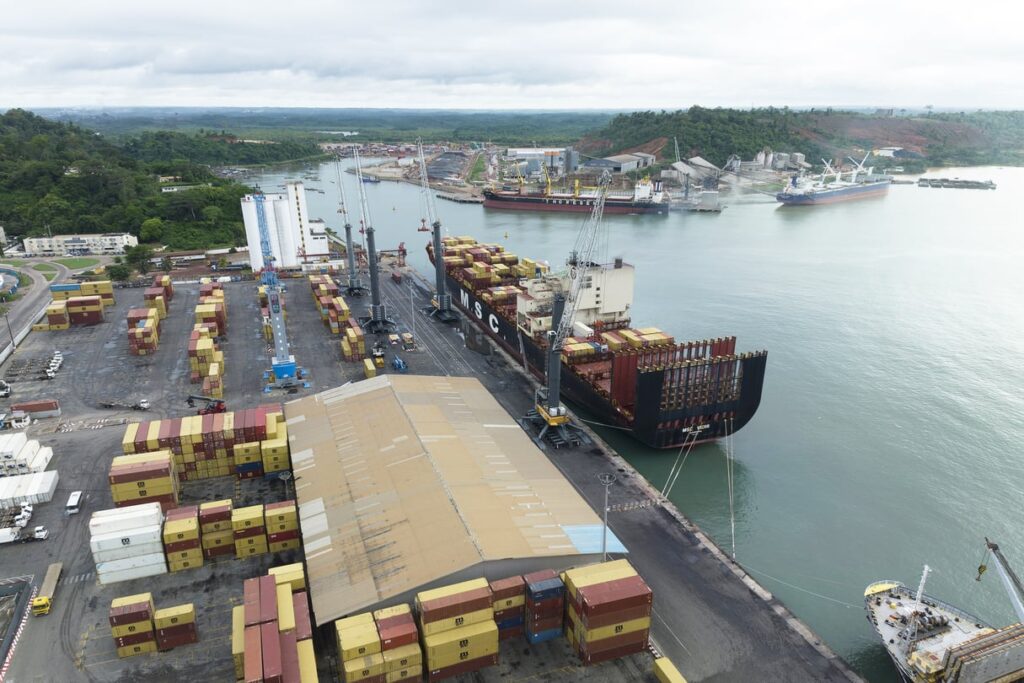
San Pedro ranked 211th globally and ninth in Africa. The port is an important gateway for Côte d’Ivoire’s agricultural exports and serves the western part of the country as well as neighboring markets.
Its growing role reflects the wider expansion of West Africa’s maritime infrastructure.
10. Malabo, Equatorial Guinea
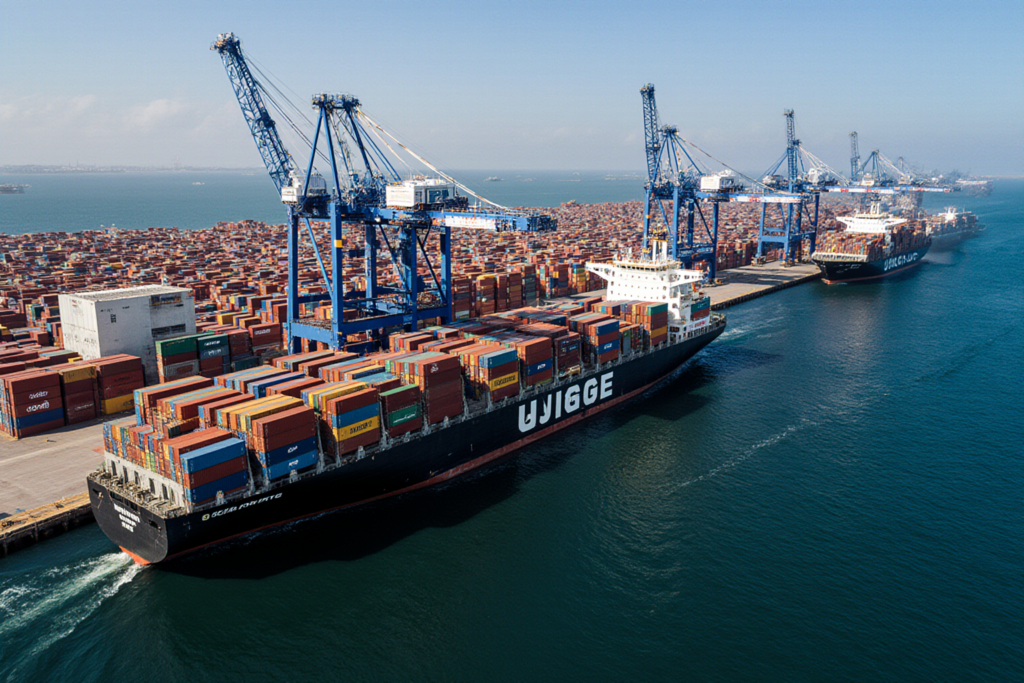
Malabo ranked 222nd globally, completing Africa’s top 10 in the latest CPPI ranking. Its position reflects the continuing importance of maritime infrastructure to smaller African economies seeking to strengthen trade links and logistics capacity.


