

Relations between Sudan and Ethiopia are entering a volatile phase, as both sides trade accusations over armed groups, cross-border activity, and recent drone attacks that have shaken Sudan’s capital.
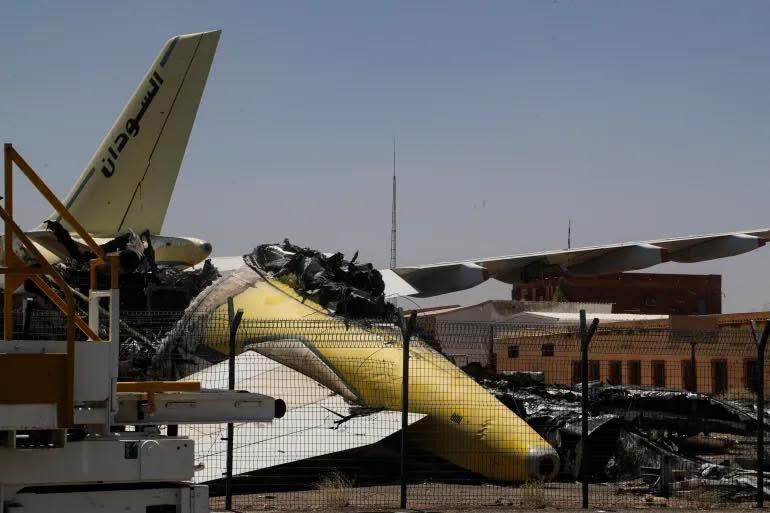
The latest spike in tensions follows a series of drone strikes targeting strategic locations, including Khartoum International Airport and other key sites. The attacks have raised alarm among regional observers, who warn that the situation could spiral into a broader confrontation in the Horn of Africa if not contained.
Sudanese authorities claim that elements linked to the Rapid Support Forces (RSF) have received external backing, alleging that training facilities and logistical support have been made available across the border. Officials in Khartoum argue that such support has enabled operations aimed at destabilizing areas along Sudan’s eastern frontier, particularly in Blue Nile state.
In response to the recent strikes, Sudan’s government convened an emergency meeting and issued strong condemnations, describing the developments as an attack on national sovereignty. Senior officials also indicated that the country is weighing its response options, while reaffirming its right to defend its territory.
Military representatives have pointed to what they describe as technical evidence linking some of the drones to foreign sources, including claims that certain equipment was traced back to external suppliers. These assertions have added another layer of complexity to an already sensitive regional dynamic involving the United Arab Emirates.
On the ground, the impact of the escalation has extended beyond military targets. Recent incidents have included strikes on economic infrastructure such as major industrial facilities, as well as attacks in populated areas, contributing to growing instability and fear among civilians.
Ethiopia has rejected all allegations of involvement, insisting that it has no interest in escalating tensions with Sudan. Officials in Addis Ababa have instead called for dialogue, emphasizing diplomatic engagement as the only viable path forward.
At the same time, Ethiopian authorities have raised concerns of their own, accusing Sudanese actors of supporting hostile elements along their shared border—claims that further underline the deepening mistrust between the two neighbors.
Despite the increasingly confrontational rhetoric, analysts note that both countries remain wary of the costs of open conflict. While Sudan is signaling readiness to respond if necessary, there are also indications that diplomatic channels remain active behind the scenes.
With overlapping security, economic, and geopolitical interests at stake, experts caution that the current trajectory could draw in additional regional actors, increasing the risk of a wider crisis unless tensions are carefully managed in the coming weeks.


