
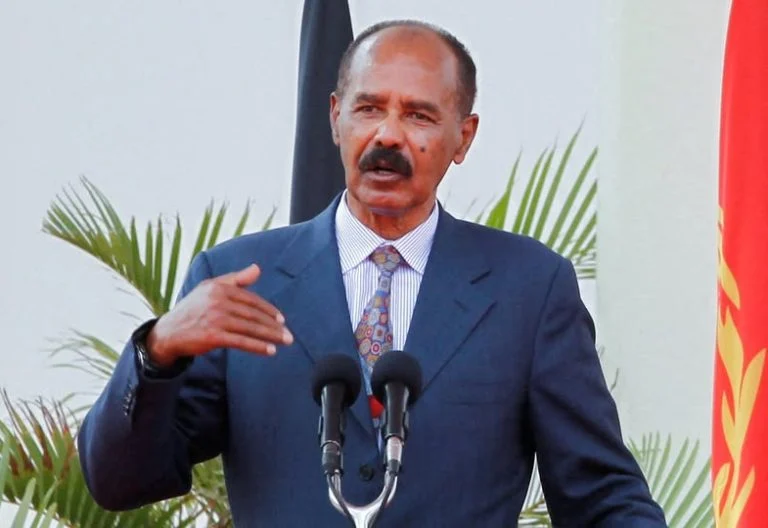

Eritrea has officially withdrawn from the Intergovernmental Authority on Development (IGAD), accusing the regional bloc of failing to deliver on its mandate and undermining member states’ interests. The announcement, made Friday by Asmara’s Ministry of Foreign Affairs, marks the latest in a series of tensions within East Africa’s key diplomatic and economic forum.
In its statement, Eritrea argued that IGAD had “not only failed to meet the aspirations of the peoples of the region but instead played a deleterious role, becoming a tool against targeted member states—particularly Eritrea.” The country previously suspended its participation in 2007 and rejoined in June 2023, hoping for structural reforms and a more effective role in regional stability.
Despite its renewed membership, Eritrea claims the organization “forfeited its legal mandate and authority,” delivering no meaningful strategic benefit and failing to address security and development concerns in the Horn of Africa. The withdrawal underscores Asmara’s frustration with IGAD’s performance and its inability to influence regional outcomes.
IGAD responded on Friday, urging Eritrea to reconsider its decision. The Secretariat noted that since Eritrea’s return in 2023, it had largely abstained from meetings, programs, and activities. IGAD described its approach during this period as one of “patience and goodwill” and reaffirmed its commitment to the bloc’s objectives while remaining open to constructive engagement.
IGAD, which was established in 1996 to replace the Intergovernmental Authority on Drought and Development (IGADD), currently comprises six member states: Ethiopia, Kenya, Sudan, South Sudan, Uganda, and Djibouti. The organization is funded through member fees—approximately $1.5 million annually—and external partners such as the European Union.
Eritrea’s exit comes at a critical time for IGAD, which plays a pivotal role in coordinating regional security, economic integration, and development initiatives across East Africa. Analysts warn that Asmara’s withdrawal could weaken IGAD’s ability to mediate conflicts and implement cross-border projects, while highlighting underlying divisions among member states.


