

France and Madagascar resumed talks on Monday in Paris over the sovereignty of the Scattered Islands, a long-disputed archipelago in the Indian Ocean, as both countries explore the possibility of joint administrative arrangements after years of diplomatic deadlock.
The meeting marked the second round of the joint commission’s dialogue, following the inaugural session held in Antananarivo in 2019. Despite the renewed discussions, fundamental differences remain unresolved. Madagascar continues to assert its claim over the islands, which it views as historically and geographically linked to its mainland. France maintains that the islands are an integral part of its national territory.
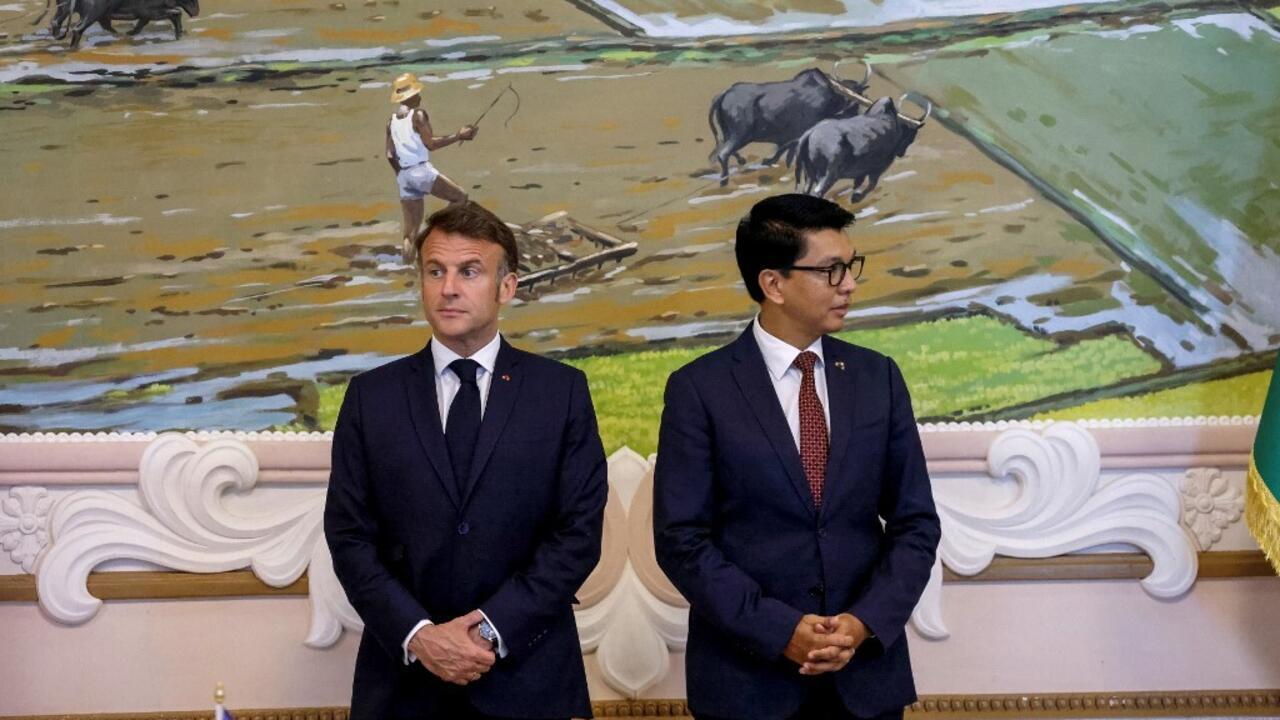
French President Emmanuel Macron reaffirmed his country’s sovereignty during a visit to Madagascar, but proposed a framework for joint administration—an idea that has sparked political debate in both nations.
Madagascar’s delegation, led by Foreign Minister Rafaravavitafika Rasata, included several senior officials, signaling a serious commitment to the negotiations. However, some key figures who attended the 2019 talks were notably absent, raising questions about internal political shifts. On the French side, the talks were chaired by Europe and Foreign Affairs Minister Jean-Noël Barrot.
The islands, known in French as “Îles Éparses,” are strategically located and believed to contain valuable marine and natural resources. France has increased its presence in the region in recent years, notably converting the Glorioso Islands into a nature reserve in 2021 and expanding environmental programs—a move perceived in Madagascar as reinforcing de facto French control.
Madagascar’s latest official statement omitted any explicit demand for “recovery” of the islands, a shift in tone that some observers see as a potential opening for administrative compromise. Still, the future of the talks remains uncertain.
The decades-old dispute has long strained relations between Paris and Antananarivo. With regional and international observers watching closely, the current round of dialogue is seen as a test of whether both sides can overcome historical grievances and reach a sustainable resolution, or whether the impasse will persist.


