
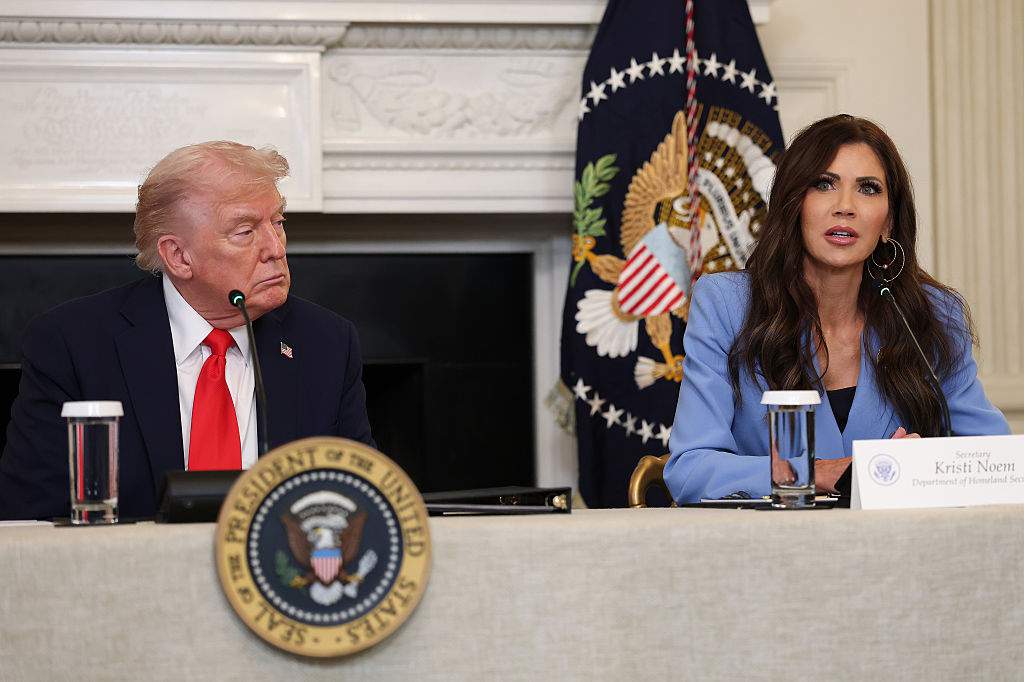

The U.S. government announced on Friday that it will terminate Temporary Protected Status (TPS) for Ethiopian nationals, claiming that conditions in the country no longer constitute a serious threat to personal safety. The decision, issued by the Department of Homeland Security, follows a review of Ethiopia’s current situation.
“Conditions in Ethiopia no longer pose a serious threat to the personal safety of returning Ethiopian nationals,” the department stated. “Since the situation no longer meets the statutory requirements for a TPS designation, Secretary Kristi Noem is terminating this designation to restore integrity in our immigration system.”
TPS recipients affected by the move are required to leave the United States within 60 days or face deportation. The Trump administration has offered voluntary return packages, including a plane ticket and a $1,000 exit bonus, which Secretary Noem described as “a safe, secure way to self-deport with potential future opportunities for legal immigration.”
The announcement has drawn sharp criticism from human rights advocates and Ethiopian diaspora groups, who highlight the ongoing conflict and human rights abuses in Ethiopia’s Amhara and Oromia regions. Reports indicate recurring extrajudicial killings, sexual violence, and drone attacks targeting civilians. In November 2025, the BBC reported over 2,000 cases of rape in the Amhara region, based solely on records from 45 health centers, with many abuses believed to be underreported due to restricted access.
Political repression remains a serious concern. Opposition figures, including members of parliament, continue to face detention amid a crackdown by the ruling Prosperity Party, which critics claim has increasingly acted in alignment with U.S. interests. Human rights organizations operating in Ethiopia have reported harassment, closures, and severe restrictions in conflict areas.
The U.S. decision comes days after Congressman Buddy Carter introduced a resolution condemning “egregious human rights violations, including the persecution of Christians,” and urging diplomatic measures to protect civilians from government abuse.
Ethiopian diaspora organizations in the United States have staged protests and sent letters to U.S. representatives, warning that conditions in Ethiopia remain unsafe. At the time of publication, these groups had not issued an official response to Secretary Noem’s assessment that the situation is now “safe” for returnees.
The move effectively ends a protective measure that has allowed thousands of Ethiopians to remain in the U.S. temporarily since TPS was first granted, while raising urgent questions about the safety and human rights situation in Ethiopia for those being asked to return.


