
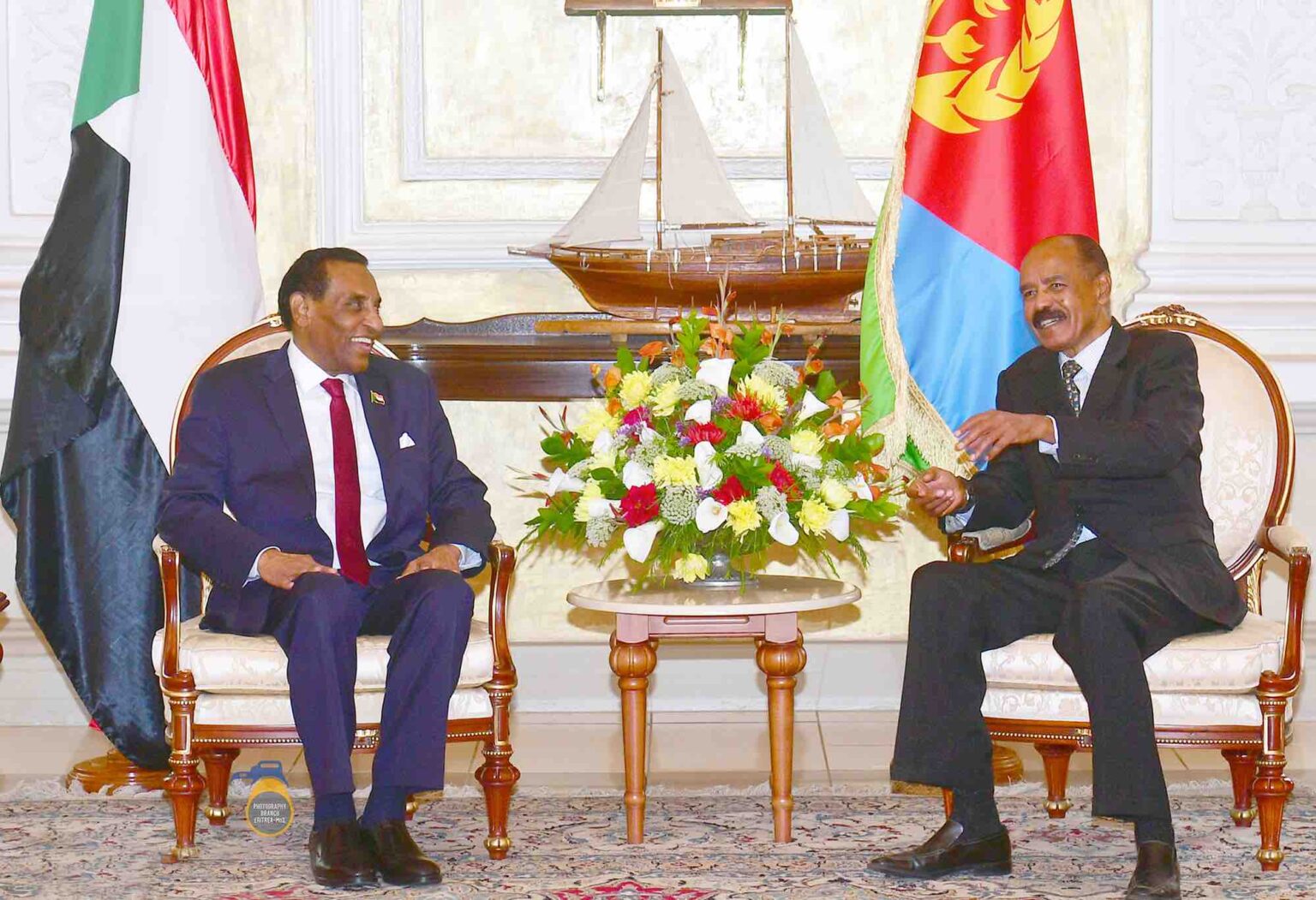

Sudan and Eritrea have agreed to significantly enhance cooperation across security, intelligence, and economic sectors. This development follows a two-day visit to Asmara by Sudan Prime Minister Kamil Idris, who announced the agreements upon his return on Friday. The visit is being hailed as “historic” and fruitful, laying the groundwork for deepened bilateral relations during a critical period for Khartoum.
What Was Agreed Between Sudan and Eritrea?
Prime Minister Kamil Idris detailed a series of agreements reached with Eritrean President Isaias Afwerki. These include:
- Political Committee: Activation of a joint political committee to oversee diplomatic engagement.
- Economic Body: Establishment of a new economic body tasked with overseeing bilateral projects and fostering economic integration.
- Joint Economic Ventures: Plans for new, large-scale projects, including marine fisheries in the Red Sea, gold and oil refineries, and other investments in the minerals sector.
- Regional Coordination: Agreement to coordinate efforts regarding Sudan’s potential return to the African Union and in other regional and international forums.
Idris expressed “thanks and appreciation to the state of Eritrea… for the great support they have provided to Sudan in these exceptional circumstances,” underscoring Asmara’s solidarity with Khartoum.
Eritrea’s Stance on the Sudanese Conflict: Unwavering Support?
President Isaias Afwerki met with the Sudanese delegation led by Prime Minister Idris for extensive discussions on bilateral ties, efforts to resolve the conflict in Sudan, and other regional issues. President Isaias reiterated Eritrea’s “principled and immutable” position, anchored on “unequivocal support to the country’s unity and dignity.” He affirmed Eritrea’s commitment to “continue to play its part in the ongoing endeavors for a durable solution to the conflict.”
Prime Minister Idris conveyed good wishes from General Abdul-Fattah Al-Burhan, Chairman of Sudan’s Sovereign Council, and paid tribute to Eritrea’s “bold position” during what he described as a “difficult and trying time due to an imposed war” on the country. He further attested that “Eritrea’s inspirational and historic stance stem from its profound values.”
Who Attended the High-Level Meetings?
On the Eritrean side, Foreign Minister Osman Saleh and Ambassador Isa Ahmed Isa participated. The Sudanese delegation included Ambassador Mohi El-Din Salem (Minister of Foreign Affairs), Khalid Ali Aleisir (Minister of Culture, Information and Tourism), and the country’s Ambassador to Eritrea.
Why is Eritrea Supporting Sudanese Government?
Eritrea is currently regarded as the most supportive neighboring country to the Sudanese government and its army in the ongoing conflict, despite a history of previous tensions between the two nations. This support manifests in several ways:
- Training Camps: Eritrea hosts training camps for groups allied with the Sudanese army.
- Military Assets: Press reports have indicated that Sudan has sent its military aircraft to Eritrea to protect them from drone attacks during recent large-scale hostilities, suggesting a deeper military and strategic cooperation.
This strengthened alliance appears to be a strategic move by both nations to address shared security concerns and leverage economic opportunities in the Red Sea region, particularly as Sudan navigates its internal conflict.


