
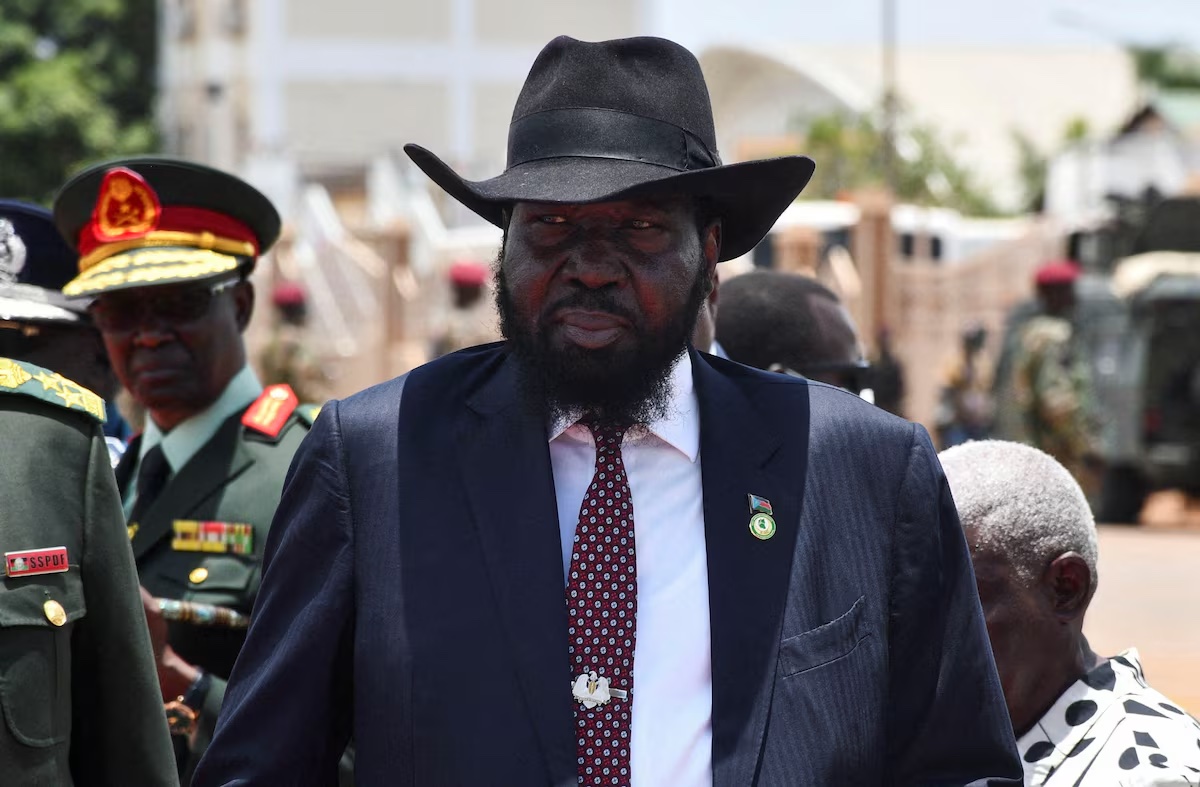

South Sudan President Salva Kiir has abruptly removed the country’s current military chief, Dau Aturjong, and reinstated his predecessor, Paul Nang Majok—whom Kiir had dismissed just three months prior. This latest move, announced by state-run television, highlights ongoing political instability within the military and government. It occurs as First Vice President Riek Machar, Kiir’s main rival, faces treason charges, raising concerns about potential renewed conflict in the world’s newest nation.
Kiir’s Military Chief Shake-Up: What Happened?
President Salva Kiir recently appointed Paul Nang Majok as the new Chief of Defence Forces, replacing Dau Aturjong, without an official reason. Aturjong has been reassigned to a technical adviser role at the defence ministry. This marks a swift reversal, as Majok himself was sacked by Kiir in July after only seven months, then replaced by Aturjong. The previous dismissal followed renewed fighting in the northeast, where a militia from Machar’s Nuer ethnic group briefly overran a military position. Analysts suggest these frequent leadership changes are President Kiir’s strategy to consolidate power and balance various factions.
Why is Riek Machar Facing Treason Charges in South Sudan?
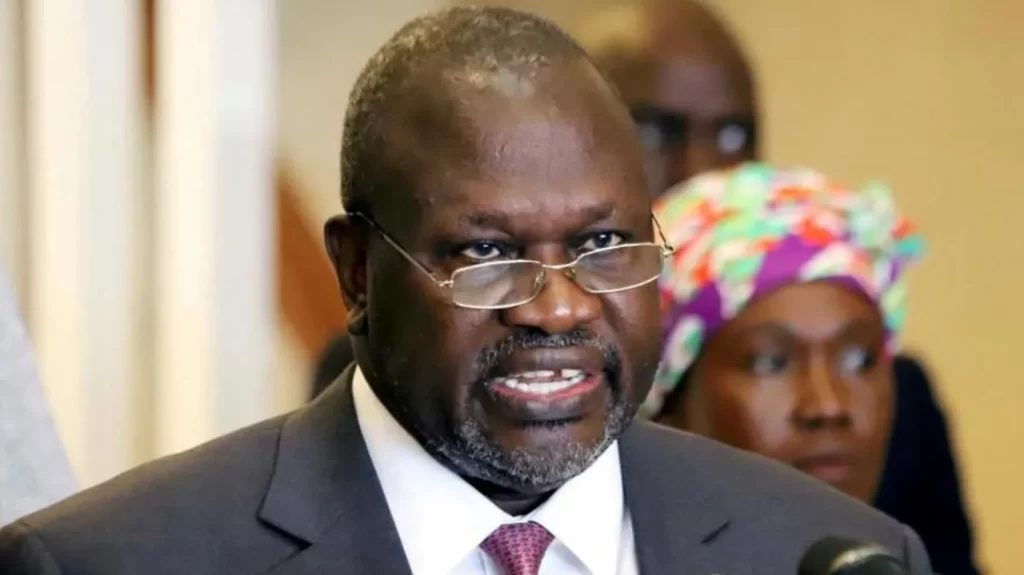
First Vice President Riek Machar has been charged with murder, treason, and crimes against humanity. Justice Minister Joseph Geng Akech confirmed the charges are linked to a March attack by a militia allegedly associated with Machar, which killed 250 soldiers and a general. Machar denies the allegations, with his spokesperson calling it a “political witch-hunt.” Machar has been under house arrest since March, with roads to his Juba residence blocked by military forces. Seven allies, including Petroleum Minister Puot Kang Chol and Army Deputy Chief of Staff Lt Gen Gabriel Duop Lam, also face charges. Machar and Chol have been suspended from their government roles.
South Sudan Fragile Peace: What Caused the Latest Tensions?
The current crisis stems from the March attack by the White Army militia, largely Nuer fighters (Machar’s ethnic group), against an army base in Nasir. This incident intensified the strained relationship between President Kiir (Dinka ethnic group) and Machar, despite the 2018 peace agreement that ended a five-year civil war that killed nearly 400,000 people. Machar’s detention and charges have reignited fears of a return to full-blown civil war, with his supporters accusing the government of violating the peace deal. The UN, African Union, and neighbouring countries have called for calm as South Sudan, independent since 2011, continues to face deep-seated political and ethnic challenges.


