
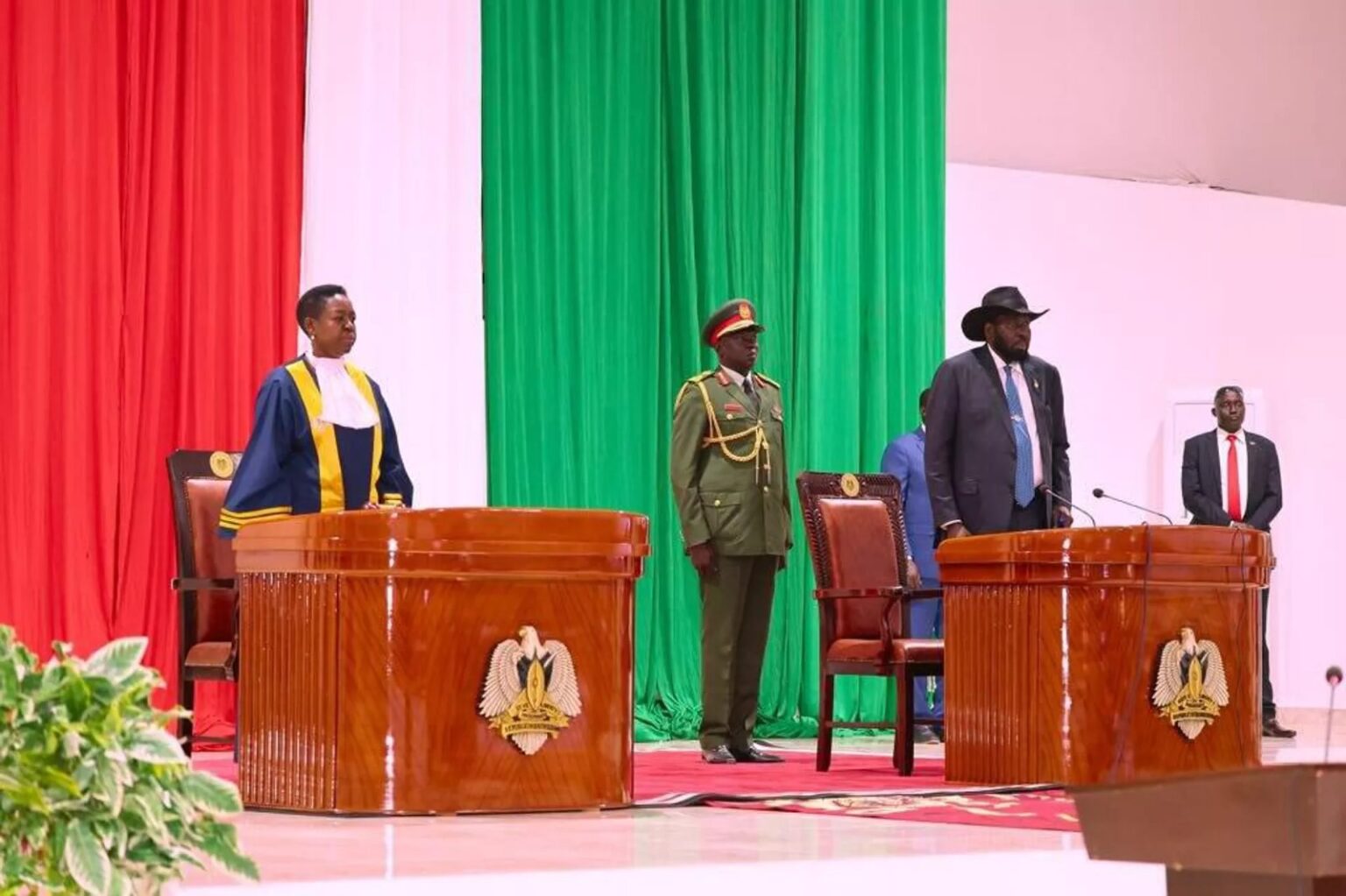

South Sudanese President Salva Kiir has called for the removal of international sanctions and the lifting of the arms embargo, arguing that these restrictions are now obstructing the country’s efforts to advance peace, reform its security sector, and prepare for democratic elections.
Speaking at the opening session of the National Legislative Assembly, Kiir emphasized that the punitive measures, originally imposed to pressure warring factions into signing the 2018 peace deal, have outlived their purpose and now hinder national progress.
“These measures were once necessary,” he said, “but today they stand in the way of stability and security sector transformation.”
The president reaffirmed his administration’s commitment to peace, national unity, and credible elections scheduled for 2026. He urged all stakeholders to recommit to the Revitalized Peace Agreement of 2018 without preconditions, stressing the importance of inclusive participation in the country’s political transition.
“The path to peace remains open,” Kiir declared, extending a hand to opposition groups and calling on armed factions to engage in reconciliation. He also urged the immediate integration of pro-peace opposition forces into the national army, as a critical step toward unifying the country’s fractured military structure.
His comments come amid a renewed surge of violence in Upper Nile State, where clashes between government forces and rebel groups have intensified in recent months, threatening the fragile peace deal.
Earlier in July, the United Nations Security Council Sanctions Committee on South Sudan convened to assess the situation.
International experts expressed concern over ongoing instability and sporadic fighting among signatories to the peace agreement.
The arms embargo, first imposed by the Security Council in 2018, has been renewed annually, citing continued risks of violence and slow progress in implementing the peace process.
Despite these challenges, Kiir insisted that South Sudan remains committed to ending years of conflict and building a peaceful, democratic future. He appealed to the international community to reconsider its sanctions regime, arguing that the lifting of restrictions would accelerate reforms, support nation-building, and help lay the groundwork for lasting peace.


