

South Africa and Nigeria have reaffirmed their commitment to strengthening bilateral ties following high-level talks in Abuja that addressed migration, law enforcement, governance and regional security, while also exposing differences over xenophobic violence targeting foreign nationals.
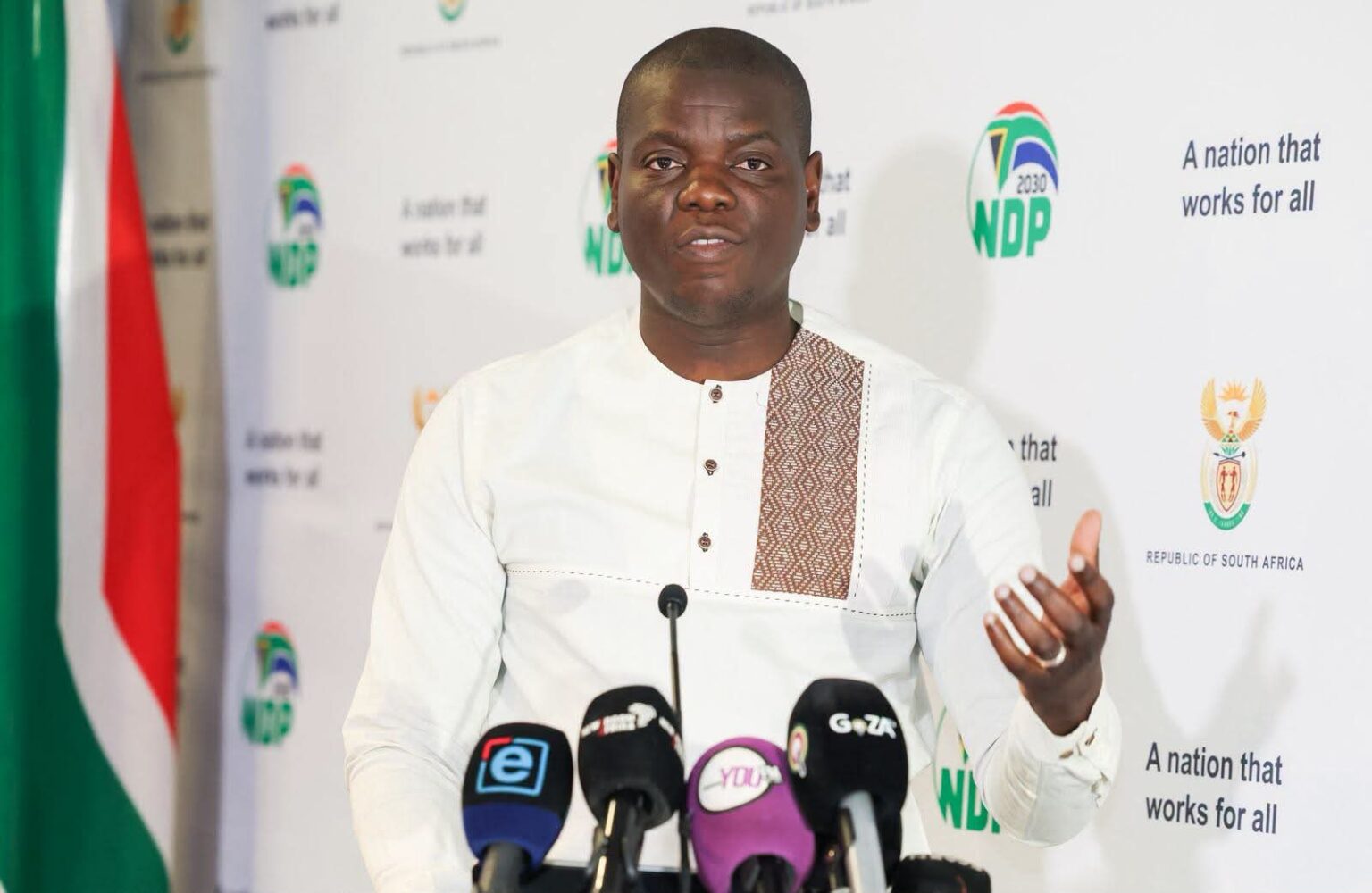
South Africa’s Minister of International Relations and Cooperation, Ronald Lamola, acting as Special Envoy of President Cyril Ramaphosa, concluded a diplomatic mission to Nigeria, where he delivered an official message from Ramaphosa to President Bola Tinubu.
President Tinubu appointed a senior Nigerian delegation to hold talks with the South African officials, with both sides describing the discussions as constructive and aimed at restoring goodwill between Africa’s two largest economies.
According to the South African government, Lamola raised three issues that have contributed to recent tensions in bilateral relations.
The first concerned the reported installation of an unrecognised traditional leader described as an “Igbo King” in South Africa’s Eastern Cape province in March, which Pretoria said had generated public concern as the country continues to consolidate the constitutional role of traditional leadership.
Lamola also expressed concern over the involvement of some foreign nationals, including Nigerian citizens, in organised crime, drug trafficking and financial fraud. He said more than 500 Nigerian nationals had been processed through South Africa’s criminal justice system for various offences as of July 7, calling for stronger cross-border security cooperation.
The South African delegation further raised concerns over incidents in which law enforcement officers encountered violent resistance during criminal investigations, including in hijacked residential and commercial buildings in Johannesburg’s Hillbrow district and Pretoria’s Sunnyside area.
South Africa said the arrests were based on evidence targeting individual criminal conduct rather than the broader Nigerian community living in the country.
According to Pretoria, the Nigerian delegation acknowledged the importance of holding offenders accountable while stressing the need to guarantee due process, fair trials and humane treatment for detainees.
Lamola reiterated that South Africa condemns xenophobia, racism and discrimination, saying criminal activity should be addressed through the rule of law and not through vigilante violence.
“Law enforcement remains the exclusive prerogative of the state,” Lamola said, adding that South Africa would not tolerate either criminal activity or attacks against foreign nationals.
The Nigerian government, however, urged South Africa to intensify efforts to prevent attacks on Nigerians and other African migrants, arguing that repeated violence has strained bilateral relations.
On his part, Nigeria’s Minister of State for Foreign Affairs, Sola Enikanolaiye, said President Tinubu had directed the meeting to address what Abuja described as recurring “Afrophobic attacks” against Nigerians and other African migrants in South Africa.
Enikanolaiye said Nigeria had recorded repeated outbreaks of anti-migrant violence since the mid-1990s and estimated that at least 98 Nigerians had been killed in xenophobic attacks since 2022.
While reaffirming that Nigeria does not condone criminal activity by its citizens abroad, he said suspects should be arrested and prosecuted rather than subjected to mob violence.
Enikanolaiye also said Nigerian authorities had documented cases in which police appeared unwilling or unable to intervene during attacks on foreign nationals, raising concerns about the protection afforded to migrants.
According to Nigerian officials, at least four people have been killed during the latest wave of anti-immigrant violence, while about 1,490 Nigerians have been evacuated from South Africa since the recent unrest.
Both governments agreed that migration and public safety challenges should be addressed through diplomatic engagement, institutional cooperation and respect for constitutional rights, reaffirming their commitment to Pan-African solidarity and continued bilateral dialogue.


