
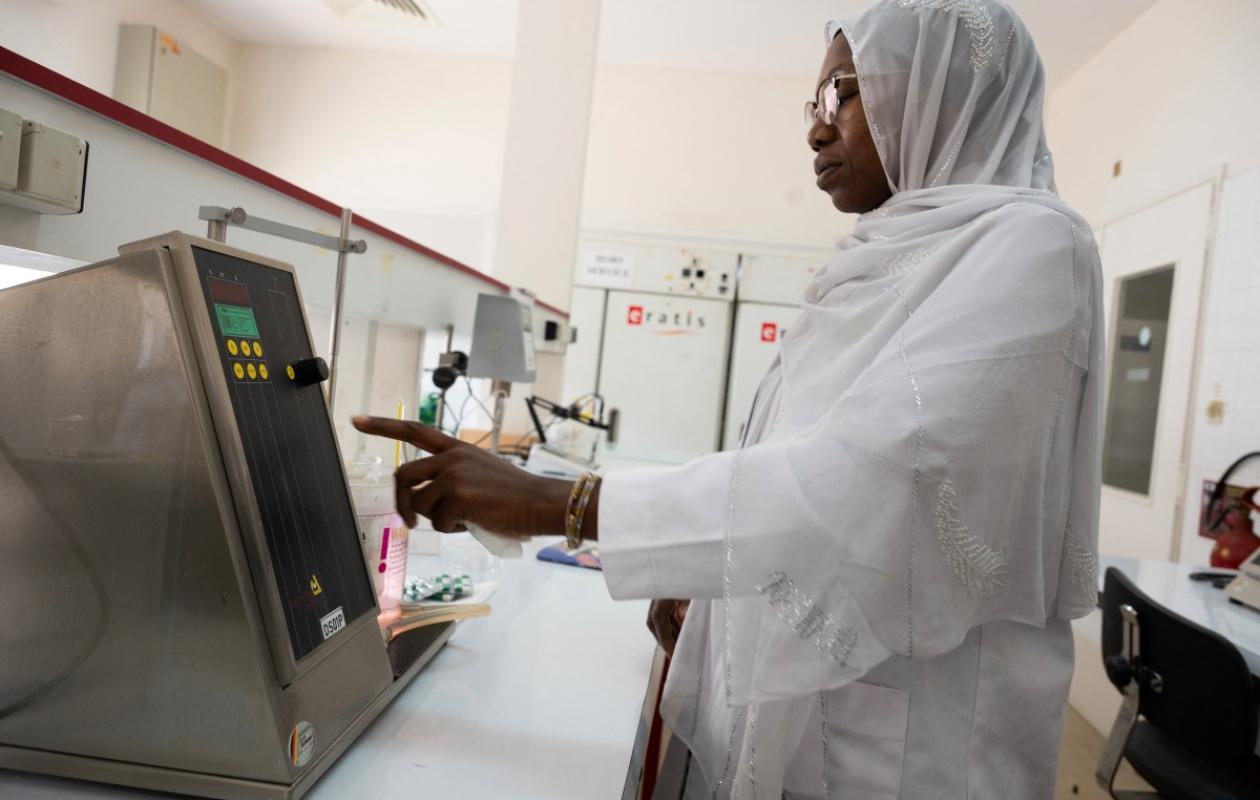

Senegal is set to become the second African country after Nigeria to locally produce a hydroxyurea-based treatment for sickle cell disease, in a move aimed at improving access to the medicine and reducing treatment costs for patients.
The drug, Drepaf 100, is being developed through a partnership between the NGO Drep.Afrique and Senegalese pharmaceutical company Teranga Pharma. The organisations say the treatment is intended particularly to help children suffering from severe forms of sickle cell disease.
The medicine is expected to be officially launched in Dakar on November 19. Its producers say Senegalese authorities granted marketing authorisation for the drug in April 2025.
Hydroxyurea is an established treatment for sickle cell disease that can help reduce painful crises and other complications. The Senegalese initiative seeks to make the medicine more affordable by producing it locally.
According to figures cited by Drep.Afrique, about 120 million people worldwide live with sickle cell disease, including around 10 million in Africa. The organisation estimates that about 400,000 children are born with the disease across the continent every year.
In Senegal, about 2 million people are estimated to carry the genetic trait, while around 2,000 children are born with sickle cell disease annually.
Speaking to DNE Africa, Sheikh Ahmed Tidiane Mbengue, a journalist specialising in health and founder of the Afriksante news platform, said Senegal’s move to produce the treatment locally could represent an important step toward improving access to sickle cell care in Africa.
According to Mbengue, the significance of the initiative goes beyond making the medicine available, as affordability and reliable supply remain major challenges for patients and healthcare systems across the continent.
He said expanding local pharmaceutical production could help African countries reduce their dependence on imported medicines while strengthening the resilience of national health systems.
The partnership plans to provide Drepaf 100 free of charge to a cohort of 1,000 children with sickle cell disease in cooperation with Senegalese hospitals, according to the organisations involved.
Drep.Afrique President Robert Hue described the initiative as a major step toward expanding access to hydroxyurea for children in Africa. Medical specialists and Teranga Pharma officials have also highlighted the treatment’s potential role in improving the management of sickle cell disease.
The initiative is also expected to significantly reduce the cost of treatment. The organisations said the price of a 500-mg hydroxyurea capsule could fall from about 1,500 CFA francs for an existing product to around 98 CFA francs for Drepaf.
Mbengue said lower treatment costs could make a meaningful difference for families, given that sickle cell disease requires long-term management and regular medical monitoring.
He also affirmed the importance of combining wider access to medicines with early diagnosis, appropriate medical supervision and greater public awareness, particularly among families of children living with sickle cell disease.
The Senegalese project comes as African countries seek to strengthen domestic pharmaceutical manufacturing and reduce vulnerabilities in medicine supply chains.
If production and distribution are sustained, Drepaf 100 could provide a potential model for other African countries seeking to expand access to essential medicines while developing local pharmaceutical capacity.


