
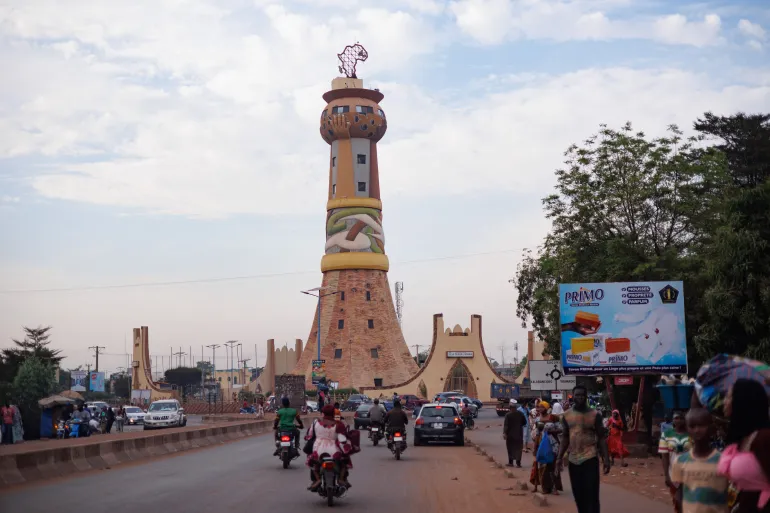

Life in Mali’s capital, Bamako, is slowly returning to normal after two weeks of near paralysis, as several fuel stations and schools reopened under heavy security and logistical strain. However, severe shortages persist in interior regions still cut off by armed blockades.
According to the state-run daily Les Échos, government coordination and limited international logistical support have allowed the delivery of larger quantities of petrol and diesel to Bamako, easing fuel queues and reviving transport and commercial activity.
Yet in key northern and central cities such as Mopti and Timbuktu, fuel scarcity has brought transport to a standstill and pushed up the prices of basic goods, prompting public calls for a more equitable distribution of supplies.
The shortages have been compounded by insecurity, as the Group for the Support of Islam and Muslims (JNIM), an al-Qaeda affiliate, continues to impose a near-total blockade around the capital. The group has reportedly destroyed more than 100 tanker trucks, killed several civilians and drivers, and carried out multiple kidnappings along major highways into Bamako.
Mali’s military-led government said it is expanding supply networks and tightening market supervision, describing the crisis as evidence of the country’s fragile energy infrastructure. Officials reiterated their commitment to fighting terrorism and regaining control of national territory, pointing to what they called recent “tactical advances” by the army.
However, independent outlets have raised concerns about the official narrative. The Le Pays newspaper warned of growing social unrest, saying the government’s statements “do not reflect the magnitude of daily suffering.”
The African Union has meanwhile called for an “urgent international response” to the deteriorating security situation and condemned the recent abduction of three Egyptian nationals. France, the United States, and other countries have advised their citizens to leave Mali immediately.
Caught between a deepening economic crisis and an intensifying armed threat, Mali’s government faces mounting pressure to restore stability while proving it can ensure basic services and security across the war-torn nation.


