
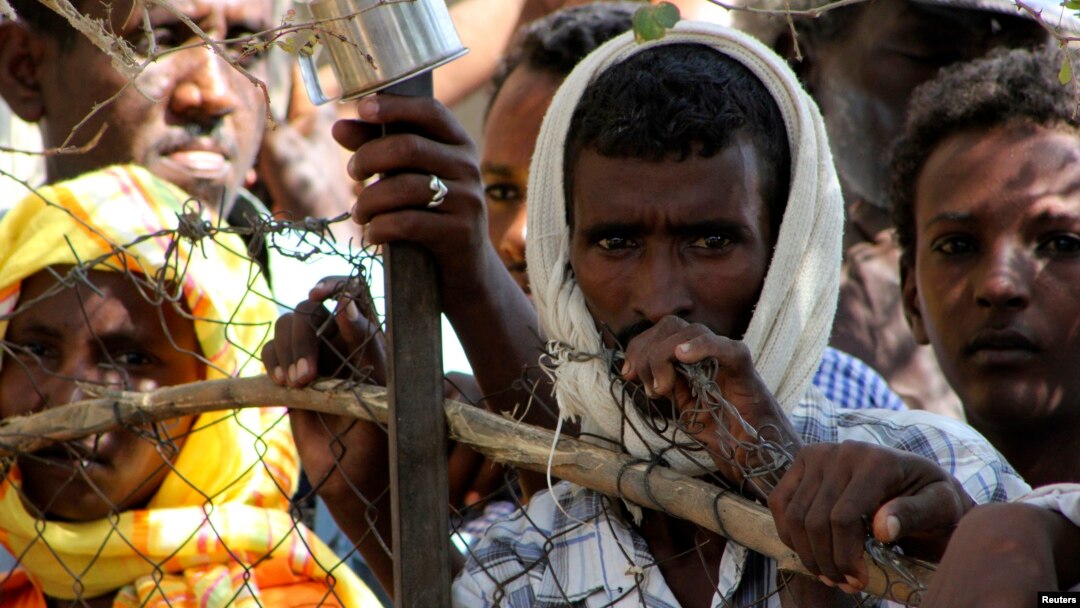

Ethiopia’s Immigration and Citizenship Service (ICS) has firmly rejected allegations that Eritrean nationals have been arrested illegally in the country, asserting that all detentions were carried out following the law. This statement, issued on Friday, follows reports from two weeks ago that suggested mass arbitrary arrests and abuses targeting Eritreans, including an incident where an Eritrean man visiting a relative in prison was reportedly detained.
In its official response, ICS emphasized that no illegal arrest or deportation of Eritrean nationals has occurred. The agency further defended its actions, stating that those detained were involved in illegal activities such as contraband trade and other offenses undermining the country’s national security.
ICS clarified that while some Eritreans had entered Ethiopia illegally and overstayed their allowed period of stay, legal measures were being taken against foreign nationals engaged in unlawful practices. The government also pointed out that Eritreans operating outside legal frameworks had used fraudulent identities and engaged in businesses prohibited for foreigners, including running small retail outlets and larger operations.
Additionally, ICS alleged that some Eritrean nationals had been involved in illegal activities such as human trafficking and the creation of forged documents, including fake travel documents, bank records, and official stamps, to facilitate criminal activities.
Despite these claims, the Ethiopian Human Rights Commission (EHRC) has urged an end to arbitrary arrests and harassment of Eritreans within Ethiopia. The commission’s ongoing concern highlights the tension between the Ethiopian government’s assertions and the rights violations reported by individuals on the ground.
While the ICS continued to encourage Eritreans who had entered Ethiopia unlawfully to register their presence and legalize their status, it noted that only a small percentage had complied. This underscores the ongoing challenges Ethiopia faces in addressing illegal immigration and the broader concerns of security and human rights.
The Ethiopian government’s response suggests a complex situation where national security concerns, illegal immigration, and human rights issues intersect. The matter continues to evolve as both government agencies and human rights organizations work to address the underlying issues.


