
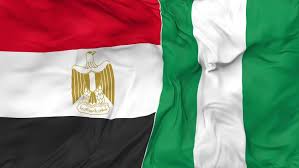

Egypt and Nigeria are exploring new avenues for cross-border investment, as Nigerian industrial conglomerate Dangote Group considers committing $10 billion to $15 billion to projects in Egypt and the Egyptian Exchange (EGX) examines a mechanism that would give local investors access to the group’s shares.
The parallel initiatives could bring industrial investment and capital-market integration closer together, reinforcing economic ties between two of Africa’s largest economies. For Cairo, attracting capital from one of the continent’s most prominent business groups would advance its drive to draw investment into productive sectors, while the proposed market instrument could help channel Egyptian savings towards African businesses.
Aliko Dangote, the group’s founder and chairman, is considering the Egyptian investments as part of a wider expansion strategy targeting $50 billion in investment by 2030, according to Egyptian media reports. The proposed commitment would mark a substantial addition to Egypt’s investment pipeline, although the projects under consideration, their financing structures and implementation schedules have yet to be established.
Alongside the investment discussions, the EGX is exploring the possible introduction of Egyptian depositary receipts (EDRs) linked to Dangote Group companies. If implemented, the arrangement could enable Egyptian investors to gain exposure to eligible businesses through the domestic market, subject to the structure adopted and regulatory approval.
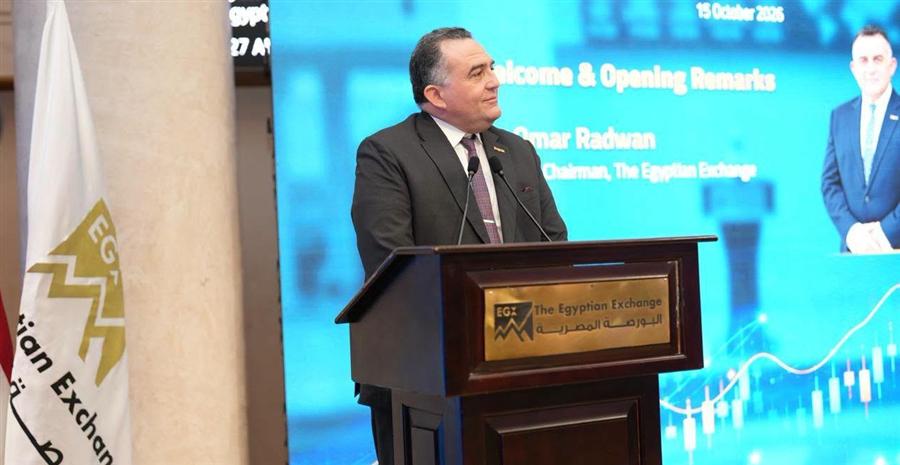
The proposal was discussed at a meeting between Dangote and EGX Chairman Omar Radwan in Cairo on October 15. Both sides agreed to pursue technical discussions on the arrangements required to establish the mechanism.
Capital markets offer another route to African investment
The proposed EDRs could broaden access to African equities for Egyptian retail and institutional investors, potentially reducing the need to purchase eligible shares directly through foreign exchanges. For companies seeking capital, such instruments can widen the pool of prospective investors and facilitate cross-border participation in regional markets.
Radwan said the initiative could open up additional investment opportunities for Egyptians and foster closer connections between African capital markets.
Beyond the immediate proposal, the discussions highlight the potential for financial-market cooperation to complement conventional trade and direct investment. By linking domestic investors with businesses operating elsewhere on the continent, Egypt could help mobilise regional capital while providing African companies with another avenue to reach investors.
The commercial implications, nevertheless, will depend on the final structure of the instrument, the companies included and the level of investor demand. The proposed receipts also remain distinct from Dangote’s potential investment in Egypt: one concerns access to securities, whereas the other would involve capital allocated to projects.
Dangote’s industrial expansion brings Egypt into focus
Dangote Group has built a presence across cement, oil refining, fertilisers, petrochemicals and food processing. Its expansion strategy centres on increasing Africa’s industrial capacity and reducing reliance on imported finished products.
Against that backdrop, Egypt offers a potential destination for further investment, with the prospect of drawing capital into manufacturing and other productive activities while deepening commercial links with Nigeria. Depending on the projects selected, new commitments could also generate opportunities for local suppliers, employment and industrial partnerships.
The scale of those benefits, however, will hinge on the composition of the investment programme, the pace of implementation and the extent to which proposed projects translate into operational capacity. Until specific commitments are confirmed, the reported investment range should be treated as a consideration rather than a concluded deal.
According to a statement issued by Egypt’s Ministry of Investment and Foreign Trade, Mohamed Awad, chief executive of the General Authority for Investment and Free Zones (GAFI), said the country had promising opportunities to forge investment partnerships with major African conglomerates.
Awad also expressed his aspiration to establish a long-term strategic partnership with Dangote Group, reflecting Cairo’s interest in converting engagement with major African businesses into tangible investment.
Taken together, the discussions point to two complementary dimensions of Egypt-Nigeria economic cooperation: attracting industrial capital and facilitating investment across African financial markets. Whether that ambition translates into a broader commercial partnership will depend on the progress of the proposed projects and the practical arrangements underpinning the planned investment mechanism.


