


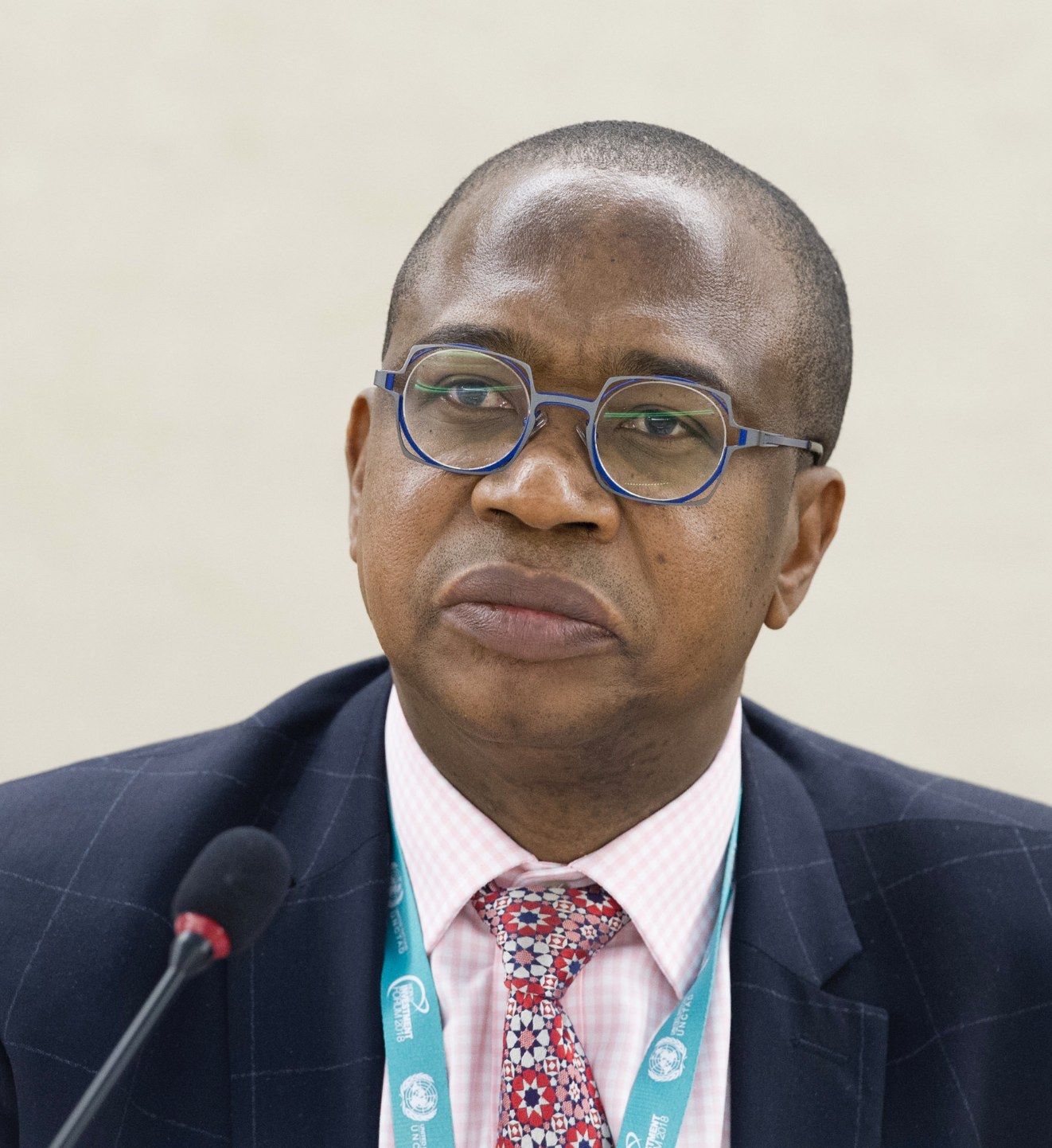
Zimbabwe arrears clearance talks moved to Europe as Finance Minister Mthuli Ncube said the country is seeking a $2.5bn bridge loan to clear its arrears to the World Bank, the African Development Bank (AfDB) and the European Investment Bank (EIB).
Clearing those arrears would reopen access to concessional loans from the three lenders; while they remain, Zimbabwe’s access to external finance is severely constrained, according to the IMF. Ncube described the step as “a critical milestone” after meetings with finance officials in Germany, France and the UK, he said in a post on X.
What did Ncube discuss in Berlin, Paris and London?
Ncube said he led a delegation of officials from the Ministry of Finance and the Reserve Bank of Zimbabwe to the three capitals as part of the country’s Arrears Clearance and Debt Resolution Process. In Berlin the team met Judith Hermes, director-general for European policy and international financial policy at Germany’s Federal Ministry of Finance. In Paris it met Bertrand Dumont, director-general of the French Treasury, and in London Lucy Rigby, the UK’s Economic Secretary to the Treasury.
The talks centred on the bridge facility at the heart of the Zimbabwe arrears clearance plan, on the role of the creditor countries as shareholders of the multilateral lenders, and on the technical and political steps needed to set the facility up, Ncube said. He named no lender and gave no terms.
Ncube said he briefed his hosts on fiscal consolidation, monetary stability, governance reforms and debt transparency. Clearing the arrears would restore access to concessional multilateral finance, bring new money for infrastructure, energy, agriculture, health and education, and improve investor confidence, he said. The government would work with all creditors towards a “comprehensive, credible and sustainable resolution” of its debt, he added.
Why does Zimbabwe arrears clearance matter for its debt?
Zimbabwe’s external public debt stood at $15.2bn, or 25.5 per cent of GDP, at the end of 2025, and total public and publicly guaranteed debt at $22.7bn, according to the IMF’s first review of the country’s staff-monitored programme, published in July. The fund assesses the debt as unsustainable and in distress, with external public debt “in large part in arrears”.
The IMF said Zimbabwe would need to clear, or agree terms to clear, about $1.5bn in arrears to the World Bank, and to show a credible, financed plan for about $1.1bn owed to other international financial institutions, before it could qualify for a fund-supported programme. That makes Zimbabwe arrears clearance the gateway to any new IMF lending. Discussions with bilateral partners on a loan to clear those arrears were under way, it said. The programme’s borrowing ceiling already exempts new debt taken on to repay the World Bank, the AfDB and the EIB.
The AfDB has put the bridge financing needed at $2.7bn, slightly above the government’s figure, NewsDay reported.
Where does the Zimbabwe arrears clearance process stand?
The Zimbabwe arrears clearance process has run since December 2022 through a Structured Dialogue Platform with creditors and development partners, facilitated by Joaquim Chissano, the former president of Mozambique. The AfDB’s president, Sidi Ould Tah, has taken over from Akinwumi Adesina as the process’s champion, and the bank approved a $4mn grant in May to support the dialogue until 2029.
The talks rest on three pillars: economic reforms, governance reforms, and land tenure and compensation for former farm owners, the IMF said. The 10-month staff-monitored programme, approved by IMF management in March, provides no money but is meant to build a record of policy delivery. Ncube first named the UK, Germany, Japan, France and Algeria as possible backers of a $2.5bn facility in April, saying it would be used only to settle arrears.
Ncube has set the end of March 2027 as the target for Zimbabwe arrears clearance. His 2027 budget, presented on 19 November, projects a deficit of about $313mn, or 0.5 per cent of GDP. DNE Africa covered other budget measures, including the plan to cut duty on mobile phones, and an Afrobarometer survey on Zimbabweans’ attitudes to tax.
What happens next?
The final review of the IMF programme is expected between 2 and 11 December, according to 263Chat. For Zimbabwe arrears clearance to proceed, any bridge loan would need the backing of a lender or group of lenders, and the World Bank would need to agree a clearance plan before a new IMF arrangement could follow. Talks with bilateral creditors such as the Paris Club members on the rest of the debt would come after that.
FAQ
How much is Zimbabwe seeking for arrears clearance?
Finance Minister Mthuli Ncube said Zimbabwe is seeking a $2.5bn bridge loan to clear arrears to the World Bank, the AfDB and the EIB. The AfDB has estimated the need at $2.7bn.
Who has Zimbabwe approached for arrears clearance funding?
Ncube held talks with finance officials in Germany, France and the UK. In April he also named Japan and Algeria as possible partners. No lender has been announced.
What is the deadline for Zimbabwe arrears clearance?
Ncube has set the end of March 2027 as the government’s target for clearing arrears to the multilateral lenders.
How much external debt does Zimbabwe have?
External public debt was $15.2bn at the end of 2025, according to the IMF, which assesses Zimbabwe’s debt as unsustainable and in distress.


