
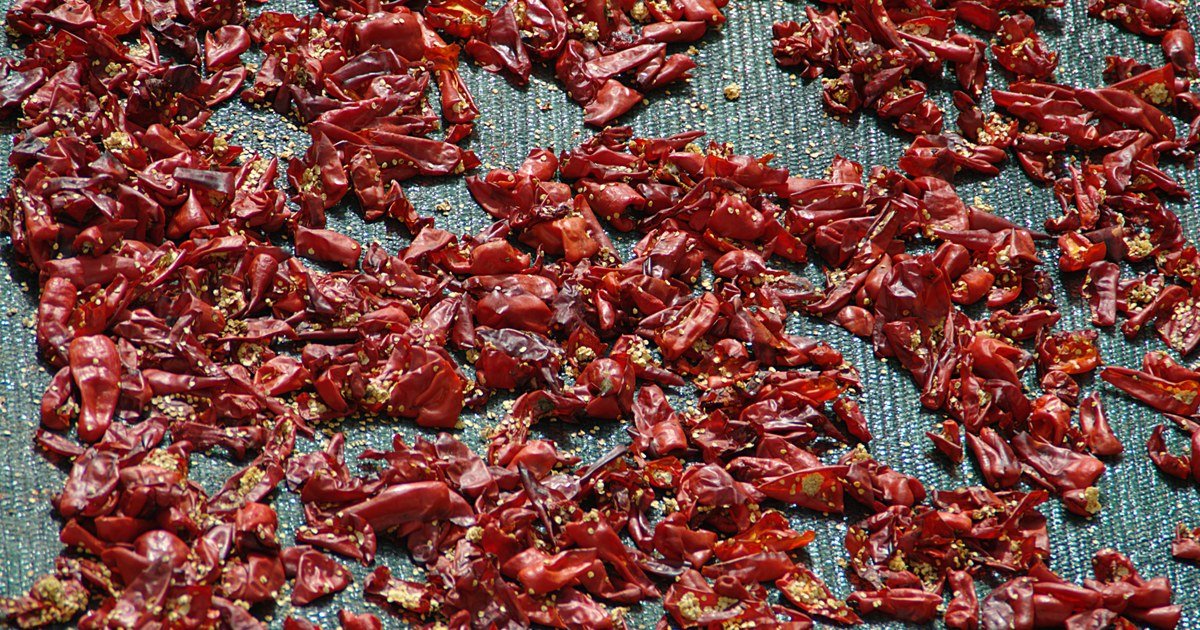

Tunisian harissa, the chilli paste made from sun-dried peppers, garlic, salt and coriander, marks four years on UNESCO’s list of the intangible cultural heritage of humanity on 1 December.
The listing covers the knowledge, skills and social customs around the paste, from the farmer’s calendar to the family kitchen, and UNESCO asked Tunisia to keep commerce from standardising the practice.
What did UNESCO inscribe?
UNESCO’s Intergovernmental Committee for the Safeguarding of the Intangible Cultural Heritage, meeting in Rabat, added “Harissa, knowledge, skills and culinary and social practices” to its Representative List at its 17th session in 2022, according to the UNESCO listing. Africanews, reporting with AP, put the announcement on 1 December 2022.
UNESCO describes Tunisian harissa as “an integral part of domestic provisions” and of the country’s daily food traditions. Tunisia’s nomination file, quoted by Africanews, called it “a unifying element of an entire country”. The paste is exchanged between relatives, neighbours and friends, eaten every day, and prepared for Ramadan and for important family occasions, the committee’s decision notes.
The nomination began with the people who make it. According to the committee’s decision, practitioners raised the idea in 2016 and asked the government for help. A team of practitioners, associations, researchers and state bodies prepared the file, and harissa entered Tunisia’s national inventory of intangible heritage in October 2016.
How is Tunisian harissa made?
Under the method set out by UNESCO, chilli peppers are dried in the sun, split, their stalks removed and their seeds taken out. They are then washed, ground and seasoned with salt, garlic and coriander, using a pestle and mortar or a hand-turned meat mincer. The paste is kept in glass or earthenware jars for use through the year.
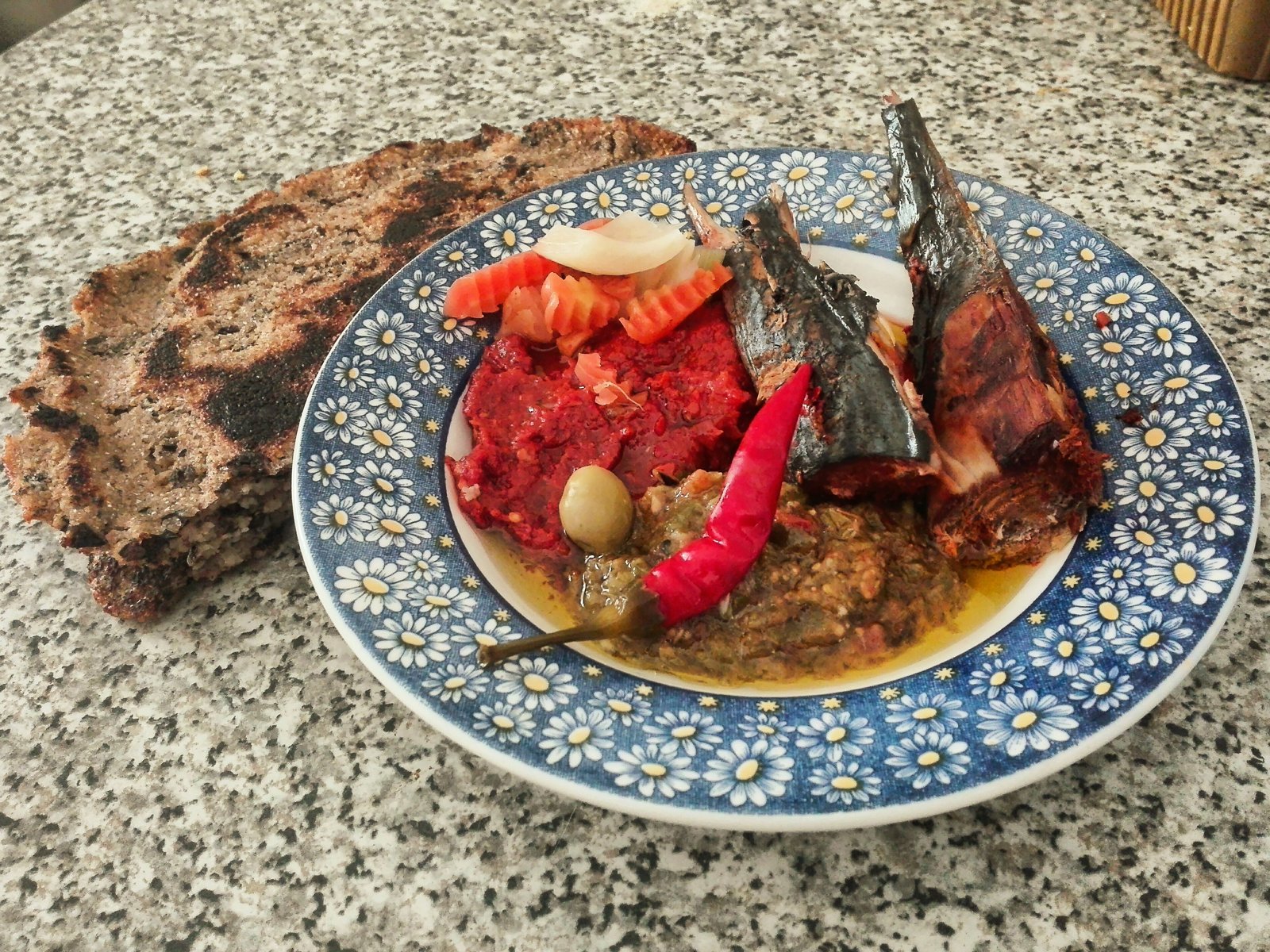
Olive oil is added to finished Tunisian harissa. Africanews wrote that the oil preserves it and softens its heat. Euronews, reporting with AFP, described harissa as a condiment, an ingredient and a dish in its own right in Tunisian cooking.
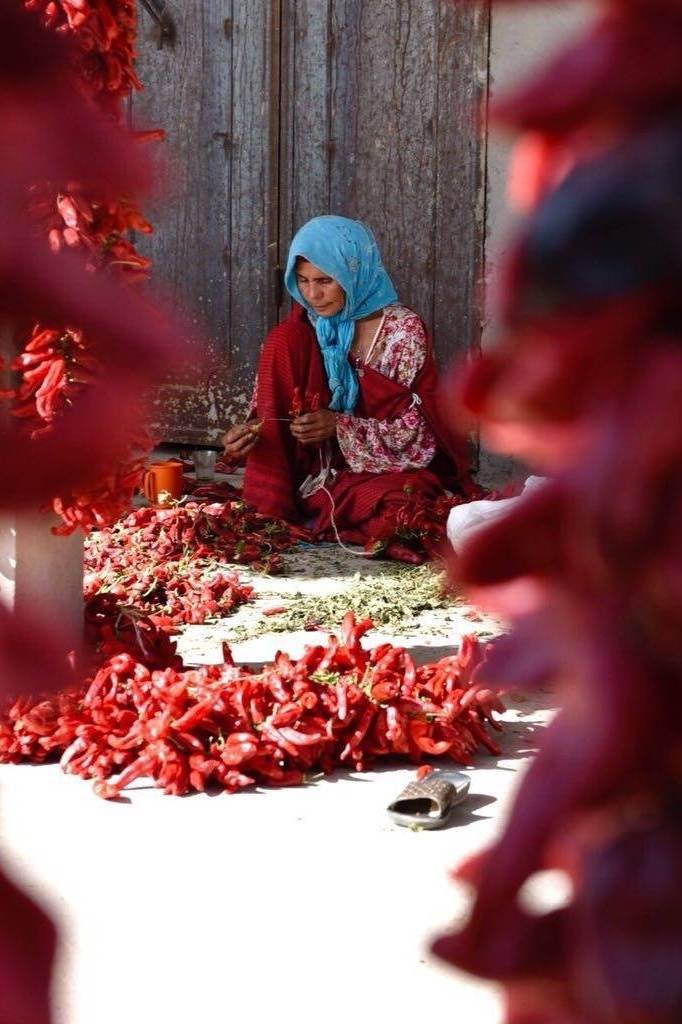
The work is usually done by women, “in a convivial and festive family or neighbourhood setting”, UNESCO says. Younger cooks learn by watching mothers, grandmothers and neighbours during the yearly preparation. The skills are also taught formally in hotel and restaurant schools.
What customs surround the chilli harvest?
Growing the chillies follows an agrarian calendar that rules out sowing at certain times considered unlucky, according to UNESCO. Once picked, the peppers are hung on looms to dry, and replicas made of coral are used to keep bad luck away. These are customs passed on among farming communities and through agronomy schools, the listing says.
The committee’s decision says Tunisian harissa strengthens family and community ties and carries a symbolic meaning of “vitality, activity and warmth”.
How is Tunisian harissa safeguarded today?
Associations of practitioners have run festivals, workshops and training sessions, among them the Ilaf association in Tataouine in the south, the decision records. Tunisia proposed measures in five areas, from education and documentation to legal protection and promotion, and set up a committee to watch for unintended effects of the listing.
UNESCO added a caution. Its decision invited Tunisia to make sure that any standard procedure for making harissa does not “restrict or stifle human creativity”, and to avoid over-commercialisation.
The best-known of the festivals is in Nabeul, on the Cap Bon peninsula, which the Tunisian news site Kapitalis called one of the capitals of harissa production. The 12th edition ran from 30 October to 1 November this year, organised by the Association for the Safeguarding of the City of Nabeul, which founded it in 2015. About 30 producers and artisans sold and offered tastings of traditional harissa on Avenue Habib Bourguiba, while the association’s seat, Dar Nabeul, held talks on local food heritage and workshops on preparing the paste by hand.
This year’s guests were two pizza makers from Naples, who reworked Neapolitan pizza with a harissa sauce. Samir Kerkeni, the festival’s director, told the radio station Diwan FM that the aim was to promote Nabeul harissa, protect the region’s food heritage and find new uses for it in international cooking, Kapitalis reported.
Harissa joins a growing number of African food traditions on UNESCO’s lists, including Senegal’s ceebu jen, inscribed in 2021. Tunisia’s cultural calendar this autumn also included the Carthage Theatre Days in Tunis.
FAQ
When was Tunisian harissa added to UNESCO’s list?
UNESCO’s committee inscribed it on the Representative List of the Intangible Cultural Heritage of Humanity at its 17th session, held in Rabat, with the decision announced on 1 December 2022.
What is Tunisian harissa made of?
According to UNESCO, sun-dried chilli peppers are deseeded, washed and ground, then seasoned with salt, garlic and coriander. Olive oil is added to preserve the paste.
Does the UNESCO listing protect one official recipe?
No. The listing covers the knowledge, skills and social practices around harissa, and UNESCO asked Tunisia to ensure standard procedures do not stifle creativity or lead to over-commercialisation.
Where is the Tunisian harissa festival held?
The best-known one is in Nabeul, on the Cap Bon peninsula. Its 12th edition ran from 30 October to 1 November 2026.


