
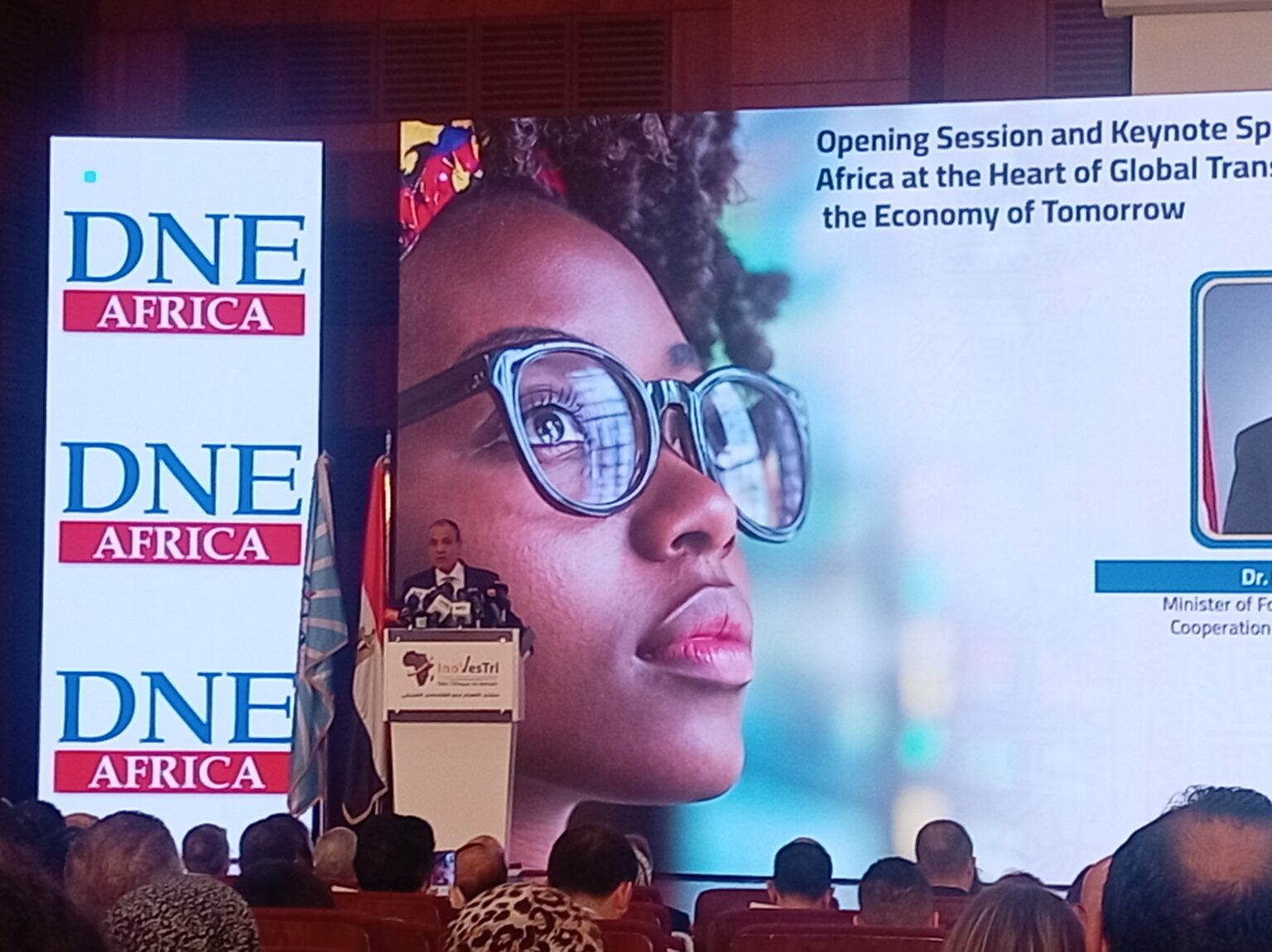

Egypt is preparing to establish a new investment entity to channel public- and private-sector investments into Africa, with mining, agriculture and manufacturing identified as priority sectors, Foreign Minister Badr Abdelatty said.
The Ministry of Foreign Affairs is working with the Ministry of Investment and Foreign Trade to finalise arrangements for establishing the entity, which will focus on promoting direct Egyptian investments across the continent, Abdelatty said.
In his address at an economic forum, the foreign minister said the initiative reflects Egypt’s commitment to strengthening its economic, trade and development ties with African countries, particularly following the entry into force of the African Continental Free Trade Area (AfCFTA).
The agreement has created a market encompassing more than 50 African countries, offering significant opportunities to expand intra-African trade and investment, he added.
Abdelatty stressed that expanding Egyptian investments in Africa should go hand in hand with promoting investment among African countries, mobilising domestic savings and productive resources, and directing them towards viable joint projects that are ready for implementation.
He highlighted the importance of partnerships between Egyptian and African private-sector companies, saying such cooperation would help establish sustainable productive bases that serve the interests of participating countries and the African economy as a whole.
Africa’s Economic Transformation
Abdelatty said Africa had a historic opportunity to reshape its position in the global economy, moving beyond its traditional role as a supplier of raw materials and a major consumer market to become a productive and industrial partner.
He cited President Abdel Fattah El-Sisi’s remarks at the opening of the sixth edition of the Aswan Forum for Sustainable Peace and Development, which highlighted the continent’s potential to play a greater role in global production and industrial value chains.
Egypt, with its industrial, construction and trade capabilities, as well as its longstanding economic ties with African countries, is well positioned to contribute to this transformation through joint investment projects, the minister said.
He also stressed that expanding intra-African trade requires stronger logistical connectivity across the continent.
Egypt has invested more than $100 billion in developing its infrastructure to position itself as a strategic logistical hub serving Africa and connecting the continent with regional and international markets, Abdelatty said.
Among the major connectivity initiatives is the Cairo-Cape Town project, an approximately 9,000-kilometre route linking Egypt with countries across eastern and southern Africa.
Abdelatty noted that completing the project requires addressing political and internal conflicts in some of the countries along its route, particularly Sudan and South Sudan.
He also highlighted the Victoria-Mediterranean project, which aims to connect Lake Victoria with the Mediterranean Sea, describing it as an important initiative for strengthening transport and trade links between Egypt and the rest of the continent.
AfCFTA as a Driver of Intra-African Trade
Abdelatty described the entry into force of AfCFTA as a game changer for African trade, saying it provides an important framework for expanding commercial exchanges and strengthening economic integration.
He said Egypt was keen to establish broader economic networks with African countries across trade and investment, in line with efforts to deepen continental cooperation.
The foreign minister also highlighted the importance of the Aswan Forum as a platform bringing together policymakers, business leaders and financial and economic stakeholders to exchange views and develop practical mechanisms for supporting investment and economic integration.
He further underlined the role of economic journalism, particularly Al-Ahram Hebdo, in monitoring the implementation of investment initiatives, highlighting success factors and identifying challenges facing investors.
Egypt’s planned investment entity and its infrastructure connectivity projects reflect Cairo’s broader push to expand its economic engagement with Africa and support the continent’s transition towards greater industrialisation, productive investment and regional integration.


