
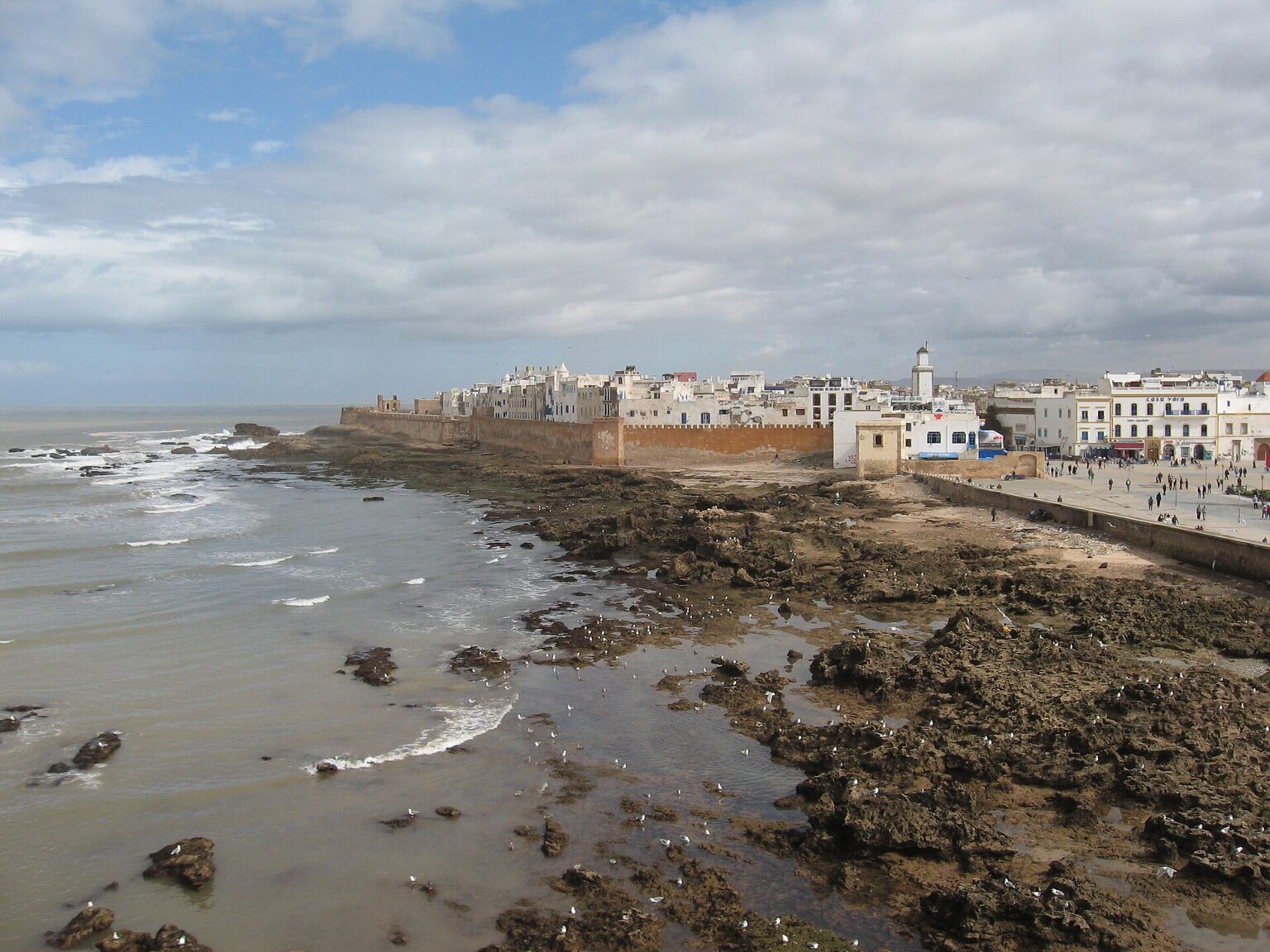

The UNESCO Creative Cities conference opened in the Moroccan port of Essaouira on Wednesday evening, with more than 315 delegations from 123 cities in 53 countries, the Moroccan government said.
The 18th annual meeting of the UNESCO Creative Cities Network, which runs until 27 November, is the first held in Africa or the Arab world, according to the government’s national portal, and puts a city of about 80,000 people at the centre of a debate on how culture can drive local economies and jobs.
What is the UNESCO Creative Cities conference about?
This year’s theme is “Cultural Innovation for Sustainable and Integrated Urban Development”, according to a statement on Morocco’s national portal. The conference is held under the patronage of King Mohammed VI and brings together mayors and local authorities, cultural institutions, academics and civil society groups.
Nayef H. Al-Fayez, UNESCO’s assistant director-general for culture, told the opening ceremony that Essaouira showed how culture, heritage and creativity could shape a city’s identity and development, the portal said. He described culture as both an intrinsic and an economic asset that contributes to growth, social cohesion and jobs for young people.
The first thematic session looked at culture-based development of regions and at the links between the creative economy, youth employment and urban planning, alongside an exhibition of traditional crafts. The programme also includes a mayors’ forum, a Creative Cities fair, guided tours and performances at several of the city’s cultural venues.
What is the UNESCO Creative Cities Network?
UNESCO set up the network in 2004 to link cities that use creativity as part of their development plans. Members are designated in one of seven fields: crafts and folk art, design, film, gastronomy, literature, media arts and music. Each city commits to share practice with others and to place culture in its local policies, according to UNESCO.
Essaouira joined the UNESCO Creative Cities network as a city of music in 2019. Its walled medina, a fortified port town built in the second half of the 18th century to a European military design, was inscribed on UNESCO’s World Heritage List in 2001 under its former name, Mogador.
Why was Essaouira chosen?
The city’s cultural calendar is built largely around music. The Moroccan portal cited the Gnaoua and World Music Festival, the Festival of the Atlantic Andalusias, the Alizés musical spring, the MOGA festival and the “Jazz under the Argan Tree” festival as the base of what it called the city’s cultural ecosystem.
The Gnaoua festival, held every June since 1998, draws on the music of the Gnawa, a spiritual and musical tradition with roots in sub-Saharan Africa that UNESCO added to its list of intangible cultural heritage in 2019. Essaouira’s music scene has made the town a reference point for the festival circuit in North Africa, alongside events such as the Carthage Theatre Days in Tunis.
Hosting the UNESCO Creative Cities meeting fits a wider push by Morocco to use culture and heritage to attract visitors. The country received a record 17.4 million tourists in 2024, according to official figures.
What happens next?
The conference closes on Friday. Several African cities are in the network, including Dakar for media arts and Kinshasa for music, and the annual meeting allows member cities to agree joint projects and review work carried out since the last gathering. UNESCO did not immediately publish a closing statement, and the host city for the next conference had not been announced.
FAQ
Where is the 2026 UNESCO Creative Cities conference?
The 18th annual conference of the UNESCO Creative Cities Network is being held in Essaouira, Morocco, from 25 to 27 November 2026.
How many cities are taking part?
More than 315 delegations from 123 cities in 53 countries, according to the Moroccan government.
When did Essaouira join the UNESCO Creative Cities network?
Essaouira was designated a Creative City of Music in 2019.
Is Essaouira a World Heritage site?
Yes. The Medina of Essaouira, formerly Mogador, was inscribed on the World Heritage List in 2001.


