
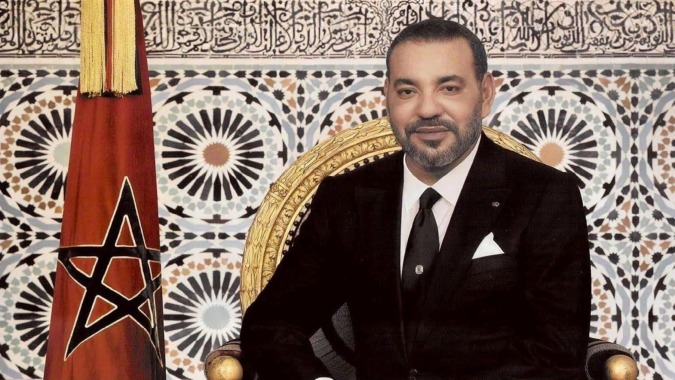

The Morocco defence industry plan secured about 22bn dirhams ($2.2bn) from public partners on Wednesday, as two framework agreements were signed at a ceremony chaired by King Mohammed VI in Rabat, officials said.
The deals move the roadmap, approved a week earlier, from strategy to funding. They bring in state funds, the central bank, commercial banks and the stock market behind a target of at least 50bn dirhams ($5bn) in annual revenue, most of it from exports.
Which deals fund the Morocco defence industry?
The two agreements were signed at the Royal Palace in Rabat in the presence of the King and Crown Prince Moulay El Hassan, according to the Royal Cabinet’s account of the ceremony carried by the official MAP news agency. The first finances the roadmap; the second brings the government together with banks, financial institutions and investment funds to raise private money for the Morocco defence industry.
The first agreement was signed by Interior Minister Abdelouafi Laftit, Economy and Finance Minister Fouzi Lekjaa, Industry and Trade Minister Ryad Mezzour and Abdeltif Loudiyi, the minister delegate in charge of the National Defence Administration. They were joined by the heads of the Hassan II Fund for Economic and Social Development, the Caisse de Dépôt et de Gestion (CDG), the state investment group, and Mohammed VI Polytechnic University. The funding comes from two state funds, Asharq Business reported.
The second was signed by the same four ministers with Bank Al-Maghrib governor Abdellatif Jouahri, the banking association GPBM, the employers’ federation CGEM, the capital markets authority AMMC, the Casablanca Stock Exchange and the venture capital association AMIC.
What is DIFAA and who runs the plan?
The strategic agency announced last week will be called DIFAA, for Defense Industry Facilitation and Acceleration Agency, according to the account of the ceremony. Its remit across the Morocco defence industry is to promote investment, manage support schemes and structure the national industrial base, using industrial offsets, public procurement, land, skills and innovation.
Until DIFAA is set up, Ali Seddiki, director general of the Moroccan Investment and Export Development Agency (AMDIE), will oversee the operational roll-out of the roadmap while keeping his current post, the Royal Office said in a statement on Wednesday.
Speaking at the ceremony, Mr Seddiki said public partners had mobilised about 22bn dirhams for the plan. He said the King’s aim was to build a national defence and security industrial and technological base, and linked it to a 2022 goal of raising private investment to two-thirds of total investment by 2035 (remarks in French, translated by DNE Africa).
What are the Morocco defence industry targets?
At full development, the Morocco defence industry is expected to earn at least 50bn dirhams a year, with more than 65% of revenue from exports, Mr Seddiki said. Local manufacturers are to cover 40% of the needs of the Royal Armed Forces and security services, and the sector is to create at least 50,000 direct and indirect jobs by 2035.
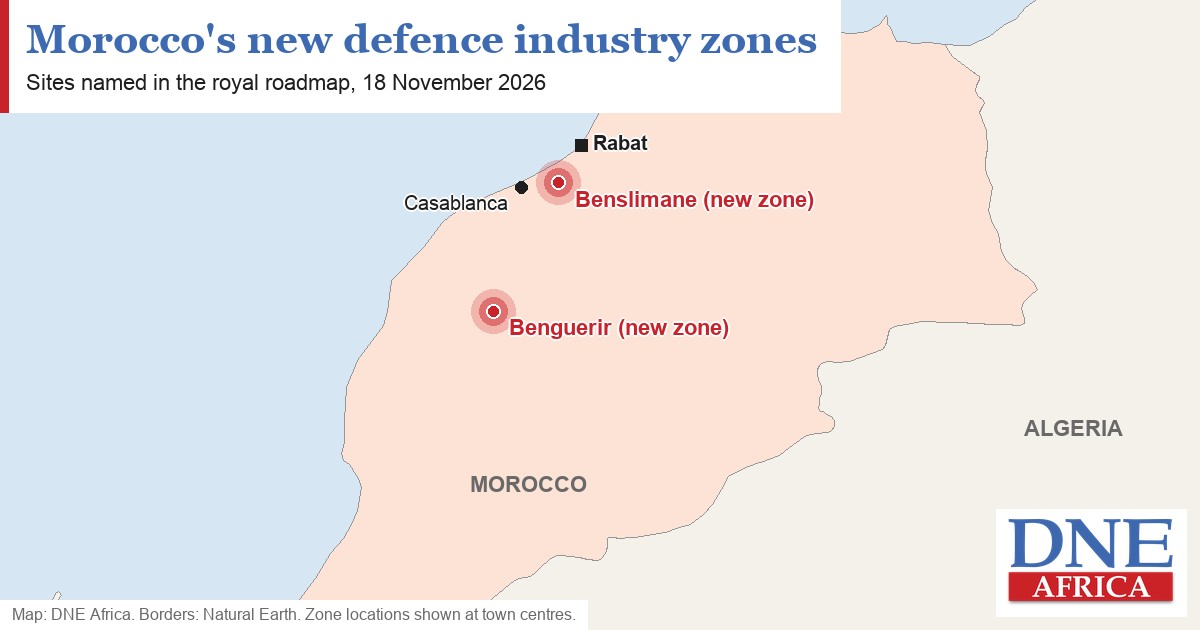
Priority areas for the Morocco defence industry include drones and autonomous systems, land and naval systems, defence electronics, cyberdefence and artificial intelligence. The roadmap, which DNE Africa reported on 18 November, also includes an industrial holding company, a training academy and new zones at Benguerir and Benslimane, with an initial 4bn dirhams (about $400mn) from the Hassan II Fund.
How much does Morocco spend on defence?
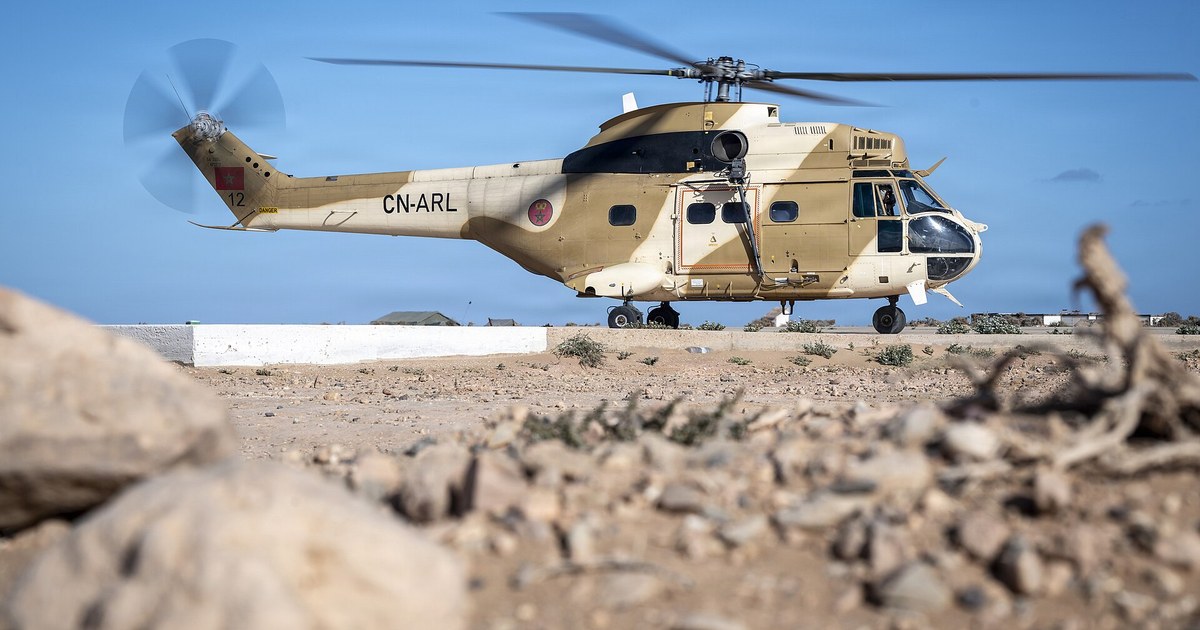
Morocco’s military spending reached $6.3bn in 2025, up 6.6% on the year, making it Africa’s second-largest spender after Algeria, according to SIPRI data published in April. The draft 2027 budget proposes raising the ceiling for multi-year defence commitments to 190.5bn dirhams from 157.2bn dirhams in 2026, Morocco World News reported.
The plan builds on Law 10-20 of 2020 on defence and security equipment and a 2024 decree creating two industrial acceleration zones for the sector, with a five-year corporate tax exemption for new defence manufacturers. Morocco has used similar zones and incentives to build its car and aerospace industries.
No timetable for DIFAA’s creation, list of foreign partners or breakdown of the 22bn dirhams between the two agreements has been published. Other recent state-backed plans include Morocco’s national AI language model.
FAQ
How much money has been mobilised for the Morocco defence industry?
About 22bn dirhams ($2.2bn) from public partners, AMDIE head Ali Seddiki said at the signing in Rabat on 25 November 2026.
What is DIFAA?
DIFAA, the Defense Industry Facilitation and Acceleration Agency, is the strategic agency that will carry out Morocco’s defence industry strategy, promote investment and manage support schemes.
What are the Morocco defence industry targets for 2035?
At least 50,000 direct and indirect jobs, 40% of the armed forces’ and security services’ needs met locally, annual revenue of at least 50bn dirhams and more than 65% of revenue from exports.
Who signed the agreements?
Four ministers, Bank Al-Maghrib, the CDG, the Hassan II Fund, Mohammed VI Polytechnic University and representatives of banks, employers, the capital markets authority, the Casablanca Stock Exchange and venture capital investors.


