
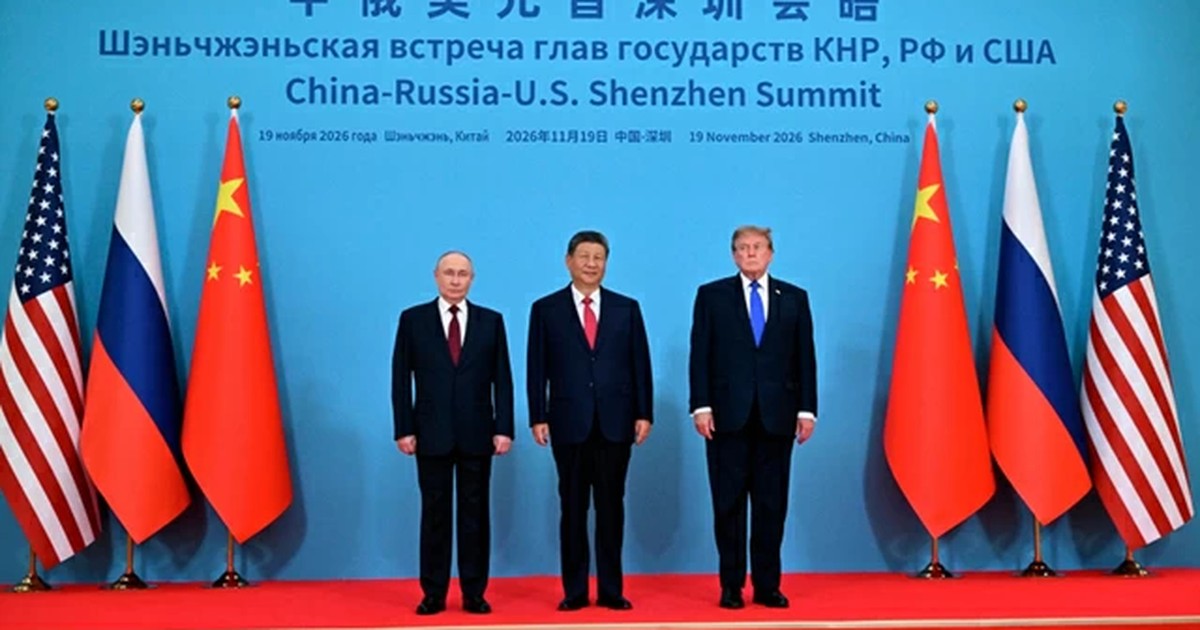

The leaders of the United States, China and Russia signed a short “peace declaration” in Shenzhen on Thursday, saying a nuclear war “cannot be won and must never be fought”, the lead item in world news today.
Elsewhere in world news today came a Houthi strike on Saudi Arabia’s sovereign wealth fund tower, an International Energy Agency warning that the Gulf will stay tied to the Strait of Hormuz, and a ruling by the UN’s top court in a genocide case brought by The Gambia. Each touches Africa.
What did Trump, Xi and Putin agree in Shenzhen?
Donald Trump, Xi Jinping and Vladimir Putin met for about 90 minutes on the sidelines of the Asia-Pacific Economic Cooperation forum, Chinese state television said. The four-point declaration, published by Chinese state media and reproduced in full by The National, commits the three to reforming the UN, to talks on reducing nuclear risks and to raising “the production and supply of refined petroleum products for the benefit of all nations”.
It also says the International Criminal Court and similar bodies “must not abuse their jurisdiction”. The text does not mention Ukraine, AFP noted, though Ukraine was the second big diplomatic story in world news today.
The refined-fuel pledge matters to African importers paying war-inflated prices, such as DR Congo, whose fuel subsidy bill has reached $154mn.
How did Ukraine’s allies respond?
Hours after the Shenzhen summit, Volodymyr Zelenskyy flew to Berlin for a “Coalition of the Willing” summit co-hosted by Germany, France and Britain, with more than 25 European leaders, EU and Nato chiefs and the US envoys Jared Kushner and Steve Witkoff, AFP reported.
Putin told a press conference in China that Moscow had invited European officials to discuss joining US-led talks, but rejected any military ties between Ukraine and Europe in a deal.
Why does the Houthi strike on Riyadh matter for Africa?
The 80-storey Public Investment Fund Tower in Riyadh’s financial district was damaged before dawn, witnesses told AFP. Turki al-Malki, spokesman for the Saudi-led coalition, said a Houthi missile had been “addressed” and that debris caused material damage. Civil defence authorities said no one was hurt.
Saudi Arabia’s foreign ministry condemned the attacks and said the kingdom would take “all necessary measures” to defend its territory. The Houthis had said they fired cruise missiles at Riyadh’s airport and financial centre.
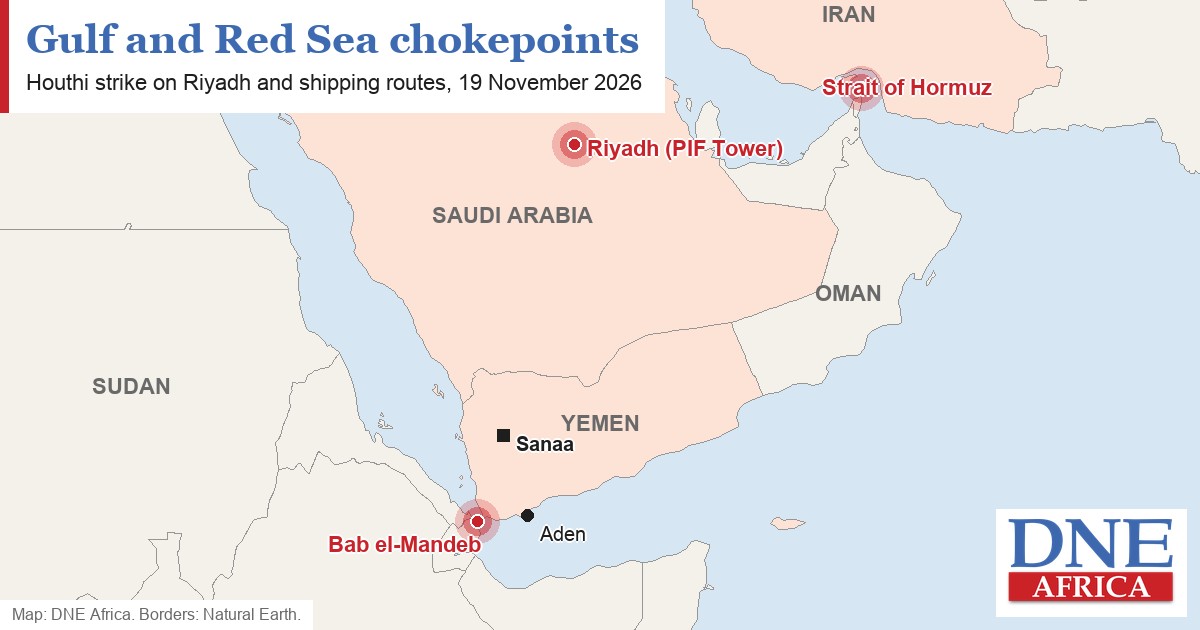
The war is moving towards the Red Sea. Forces allied to Yemen’s government said on Sunday they were pulling back from an area overlooking the Bab el-Mandeb strait to defend Aden, The National reported. The strait is the southern gate to the Suez Canal and to ports in Djibouti, Eritrea and Sudan, which makes the Riyadh strike part of world news today for Africa.
What did the IEA say about the Strait of Hormuz?
The main energy story in world news today was the IEA’s annual outlook. Gulf producers could spend about $40bn on pipelines that bypass Hormuz and still not escape it, the IEA said in its World Energy Outlook 2026, released at 10:00 GMT. About 7mn barrels a day of new capacity is planned or being built, adding roughly $2 to each barrel, and even in its most extreme case about 2mn barrels a day would still pass through the strait in 2035.
The agency put losses since the war began at 2.8bn barrels of oil and 60bn cubic metres of gas, and has called the crisis the biggest energy shock in history. It said the shock has also set back Africa’s gains in energy access.
What did the ICJ rule in The Gambia’s case against Myanmar?
The legal headline in world news today came from The Hague, where the International Court of Justice ruled by nine votes to six that Myanmar “has committed genocide” against the Rohingya during military operations in 2017, Judge Iwasawa Yuji said. The court found that about 10,000 Rohingya were “violently killed” and that security forces committed widespread sexual violence, The National reported.
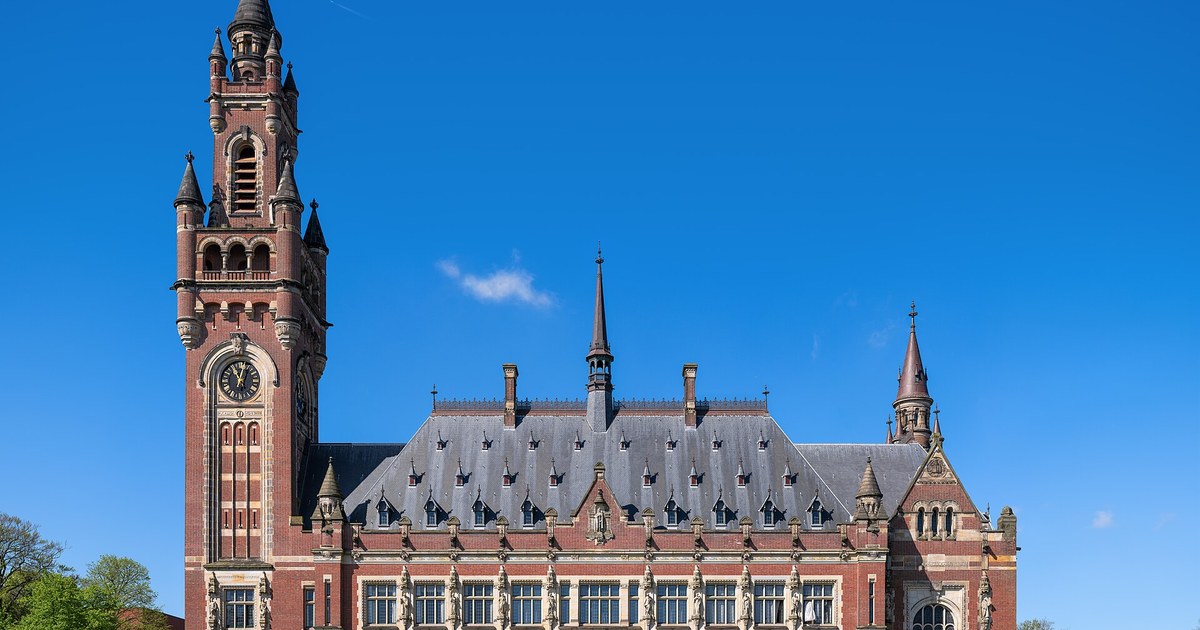
The Gambia brought the case in 2019 although none of its citizens were harmed. Myanmar denied genocide and said its forces had responded to attacks by armed groups. The court ordered the safe return of displaced Rohingya, Just Security reported. The ruling is expected to bear on South Africa’s 2023 genocide case against Israel over Gaza.
FAQ
What are the top stories in world news today?
World news today on 19 November 2026 was led by the Shenzhen peace declaration of the US, China and Russia. Ukraine’s allies met in Berlin, a Houthi strike damaged a tower in Riyadh, the IEA published its World Energy Outlook and the ICJ ruled that Myanmar committed genocide.
What does the Shenzhen peace declaration say?
It says a nuclear war cannot be won and must never be fought, commits the three countries to UN reform and nuclear risk talks, and pledges more refined fuel supply. It does not mention Ukraine.
How does world news today affect Africa?
Much of world news today bears on Africa: fuel supply pledges and the IEA’s outlook bear on African import bills, while fighting near the Bab el-Mandeb strait threatens shipping to the Suez Canal and Horn of Africa ports.
Why is The Gambia’s ICJ case important?
The Gambia, an African state with no citizens among the victims, won a genocide ruling against Myanmar.


