
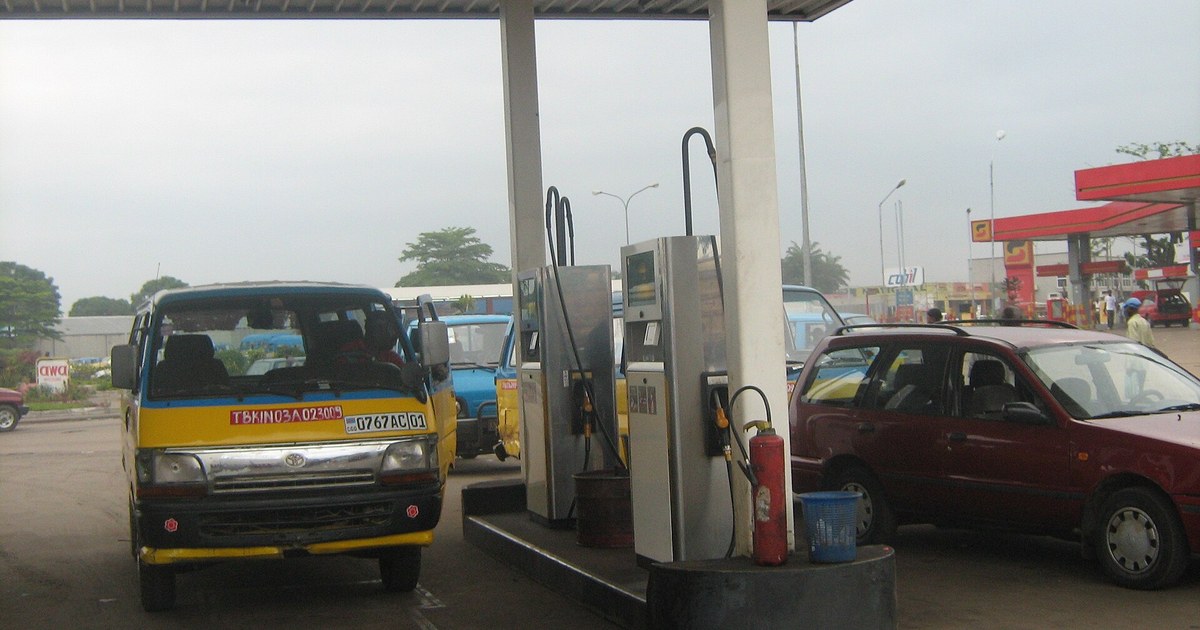

DR Congo has certified $153.95mn owed to fuel distributors for the third quarter of 2026, the government said, as DRC fuel subsidies keep pump prices frozen despite the jump in world oil prices.
It follows a $146.7mn bill for the second quarter and adds to pressure on public finances while the country runs an IMF programme. The government says the price freeze protects household purchasing power.
How much has the government certified?
The Petroleum Products Price Monitoring Committee (CSPPP) carried out the certification on 17 and 18 November across the country’s four supply zones, the Ministry of National Economy said in a statement reported by Actualite.cd (translated from French).
It validated $14.50mn for the southern zone and $139.45mn for the western and northern zones combined, bringing the total to $153,951,330. The companies represented included TotalEnergies, Engen, SEP Congo, Cobil, Socir and Sonahydroc.
Daniel Mukoko Samba, the deputy prime minister and economy minister, said the government planned to pay the certified claims “as soon as possible”, along with advances for the fourth quarter, to ease distributors’ cash flow and keep the market supplied. He asked companies to meet legal and regulatory requirements to qualify for payment.
Why are DRC fuel subsidies rising?
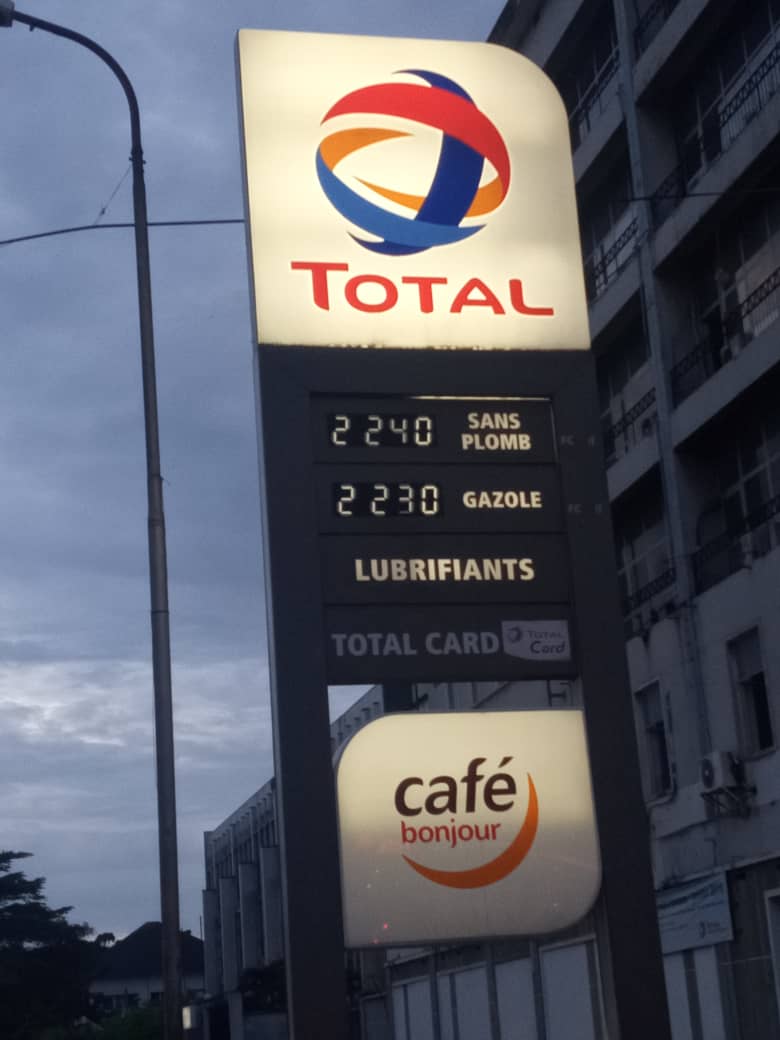
Under the system, the state compensates importers and distributors for the gap between the regulated pump price and the cost of supplying fuel. The ministry said the latest certification came as oil prices rose sharply because of the crisis in the Middle East, and that the government had chosen to keep prices at the pump stable.
The certified sum was $146.7mn for the second quarter, according to a ministry statement reported by the state news agency ACP in August. Together the two quarters come to just over $300mn. Kinshasa spent more than $300mn on fuel subsidies in the whole of 2024, according to Semafor.
The Hormuz crisis has pushed Brent crude to about $92 a barrel, and the International Energy Agency on Thursday called it the largest energy supply shock in history.
What does the IMF say about DRC fuel subsidies?
The government has already moved mining companies to market fuel prices and said it would extend subsidy cuts, Semafor reported in July. The IMF said in May that inflation had stayed at or below 2.5 per cent since October 2025, well under the central bank’s 7 per cent target, but could rise because of higher pump prices.
The fund’s programme with Kinshasa runs under an Extended Credit Facility and a Resilience and Sustainability Facility, and fuel price policy is one of the areas it reviews.
What happens next?
The next test is whether the Treasury pays distributors on time. Delays in payment have led distributors to threaten to suspend deliveries before, as in 2024, when Mukoko Samba met oil companies over a possible halt, AllAfrica reported. The fourth-quarter bill will depend on how long oil prices stay high and whether the government keeps pump prices unchanged into 2027.
FAQ
How much did DR Congo certify for the third quarter?
The government certified $153,951,330 in losses and lost revenue owed to fuel distributors for July to September 2026.
What are DRC fuel subsidies?
DRC fuel subsidies compensate fuel companies when the regulated pump price is below the cost of supplying fuel. The state pays them as certified losses and lost revenue.
Why has the bill grown?
The ministry cited the sharp rise in oil prices linked to the Middle East crisis, while pump prices have been kept stable.
When will companies be paid?
The economy minister said the government plans to pay certified claims and fourth-quarter advances as soon as possible.


