
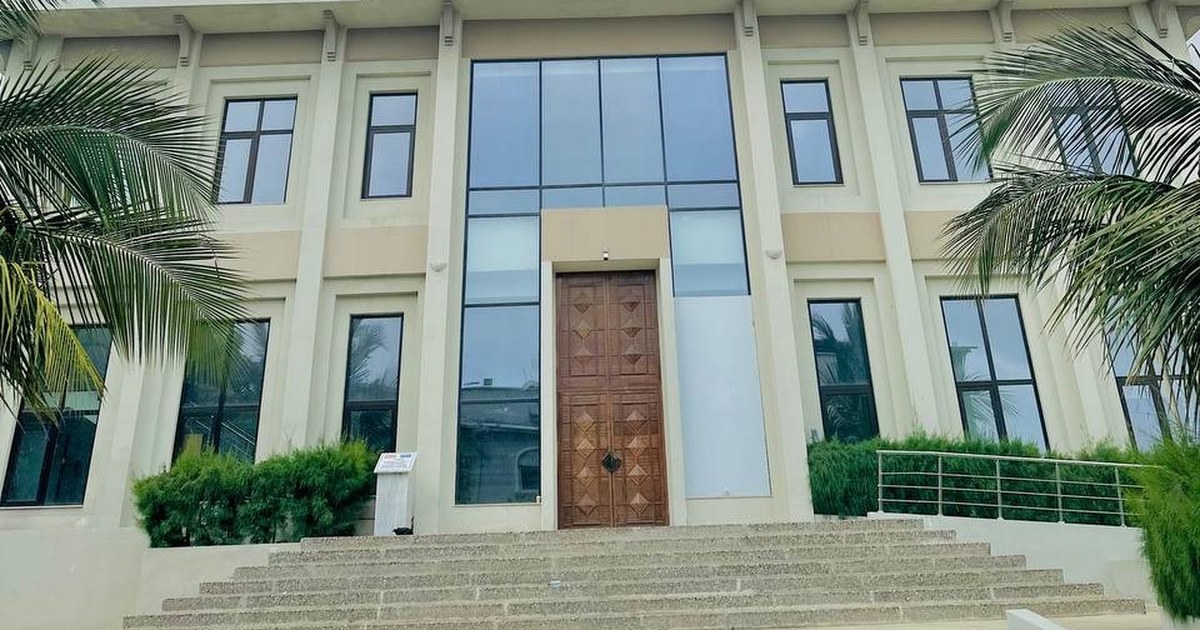

Two UN human rights experts have called on Somalia to reinstate its chief justice, Bashe Yusuf Ahmed, describing his dismissal by presidential decree on 4 November as unlawful and urging security forces at the Supreme Court to stand down.
The statement adds outside pressure to a dispute over whether President Hassan Sheikh Mohamud and parliament can remain in office beyond their original four-year terms, a question that will shape the elections the government plans for 2027.
The presidency has said the chief justice was removed after complaints from judges, court staff and lawyers about the administration of justice, and the government maintains that constitutional amendments extending the mandates give a legal basis for the 2027 vote, Hiiraan Online reported.
What did the UN experts say about the chief justice?
Margaret Satterthwaite, the special rapporteur on the independence of judges and lawyers, and Ben Saul, the special rapporteur on human rights and counter-terrorism, said the dismissal “did not follow constitutional procedures, including approval by Parliament or a proposal from the Judicial Services Commission”, according to a statement published by the UN human rights office and dated 12 November.
They said a replacement, Ibrahim Idle Suleiman, was sworn in on 7 November “within days and without following legal procedures”, at a ceremony the president attended. They called for the chief justice to be restored to office and for the security of all judges to be guaranteed.
Special rapporteurs are independent experts appointed by the UN Human Rights Council. They do not speak for the UN secretary-general or its mission in Somalia, and their statements are not binding.
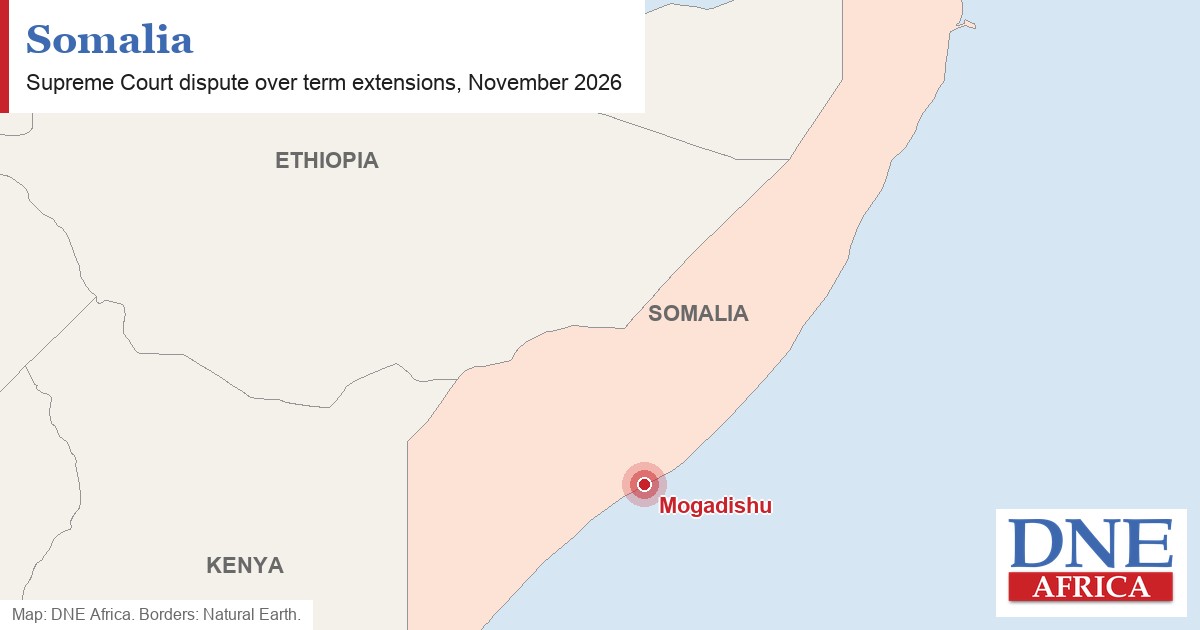
How did the chief justice dispute begin?
The chief justice was dismissed the night before the Supreme Court was due to rule on measures extending the terms of the president and parliament from four to five years, the experts said. The case was brought by Sharif Sheikh Ahmed, a former president, according to Hiiraan Online.
On 5 November five judges went ahead. They ruled that the extensions were unlawful and that both mandates had expired, and ordered elections within 90 days. They also declared the dismissal unconstitutional and said it had been intended to obstruct the case. DNE Africa reported on the ruling in its account of how the Supreme Court clashed with the president.
The government did not comply. The experts said it deployed hundreds of security personnel to the court, withdrew the personal protection of seven Supreme Court judges and barred them from travelling. Mr Ahmed has said he no longer feels safe in Mogadishu, Hiiraan Online reported.
What is the government’s position?
Beyond the presidency’s explanation for removing the chief justice, the attorney general has challenged the ruling itself, questioning the court’s jurisdiction and the legal standing of the former president’s petition, according to Hiiraan Online. The government argues that the constitutional amendments provide the legal basis for elections scheduled for 2027.
No direct government reply to the experts’ statement had been reported by Friday evening.
Why does it matter beyond the courts?
The experts linked the dispute to security. They cited earlier UN concerns that contested constitutional changes and “the lack of an independent judiciary” could weaken Somalia’s efforts against al-Shabaab. The warning comes as the African Union force changes shape, with Ugandan troops withdrawing from bases near the capital.
The timetable is tight. If the 90 days are counted from 5 November, the court’s deadline for elections falls in early February 2027, while the government is working towards a vote later that year under the amended constitution.
The next steps to watch are whether the government answers the experts, whether the judges’ security is restored, and whether political leaders open talks on an electoral framework, which the court asked them to agree within 30 days, according to Hiiraan Online.
FAQ
Who is Somalia’s chief justice?
Bashe Yusuf Ahmed held the post until a presidential decree dismissed him on 4 November 2026. The government swore in Ibrahim Idle Suleiman on 7 November; the Supreme Court judges who ruled on 5 November called the dismissal unconstitutional.
Why was the chief justice dismissed?
The presidency said it followed complaints about the administration of justice. The UN experts and the court’s judges said it was meant to obstruct a ruling on term extensions.
What did the Supreme Court rule?
Five judges ruled on 5 November that extending the president’s and parliament’s terms from four to five years was unlawful, and ordered elections within 90 days.
Are the UN experts’ demands binding?
No. Special rapporteurs are independent experts whose statements carry no legal force.


