
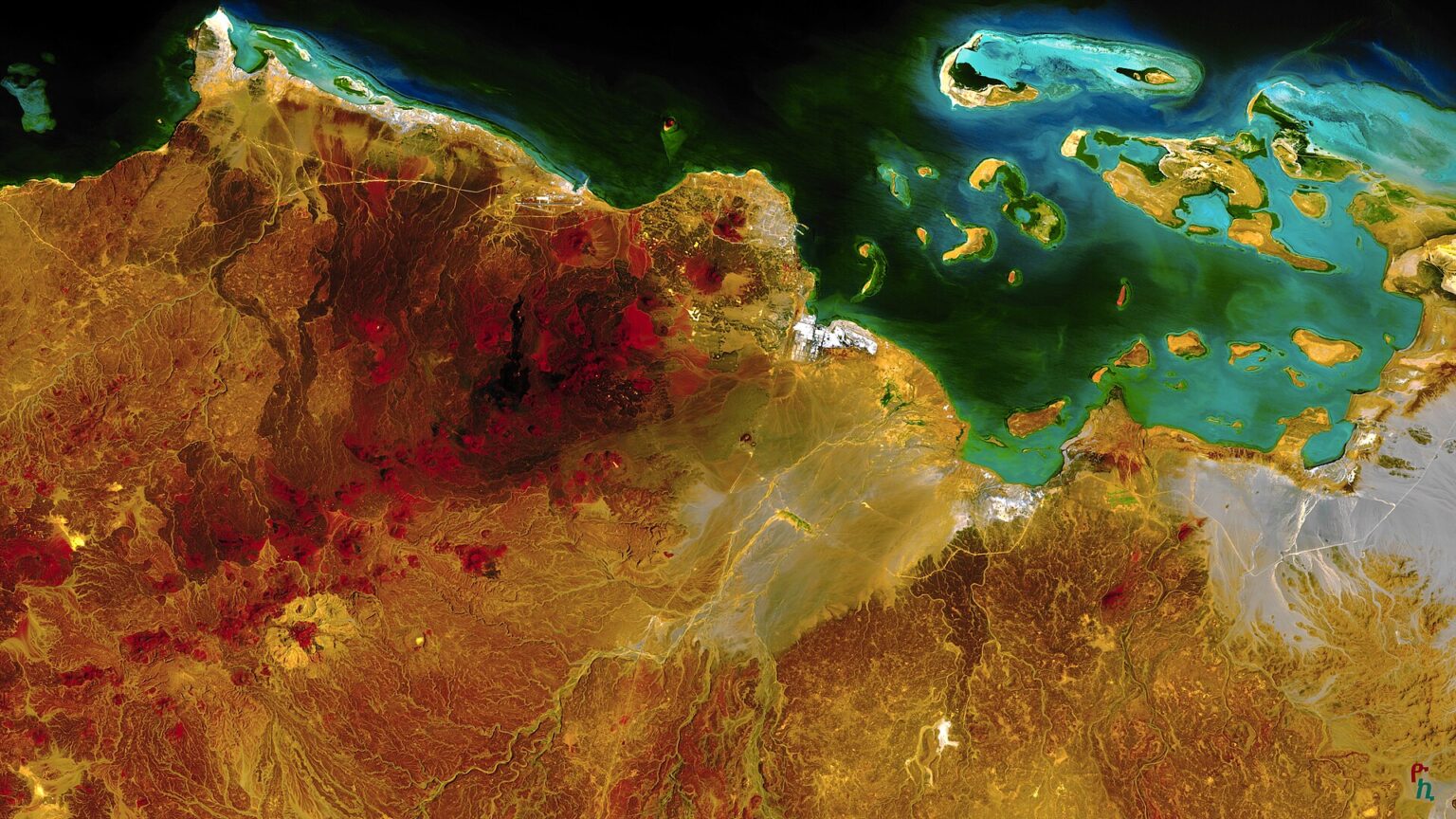

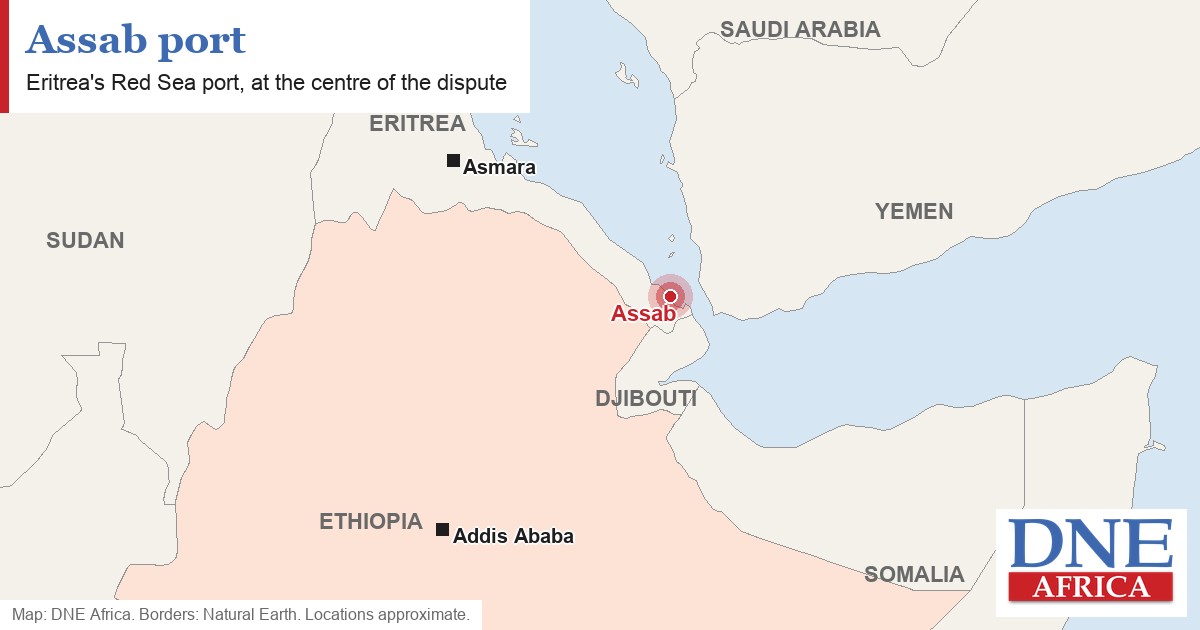
The G7 foreign ministers and five US Democratic senators have warned this week that the Ethiopia-Eritrea dispute over the Assab port and Red Sea access risks widening into a regional conflict, and both have called for restraint and diplomacy.
The warnings matter because the Red Sea carries a large share of world trade, and because neither government has said it will step back. Ethiopia’s navy chief said last weekend that gaining sea access was “inevitable”, while Eritrea accuses Addis Ababa of planning an “invasion”, BBC Amharic reported on 12 November. The reporting is Amharic-language and translated here.
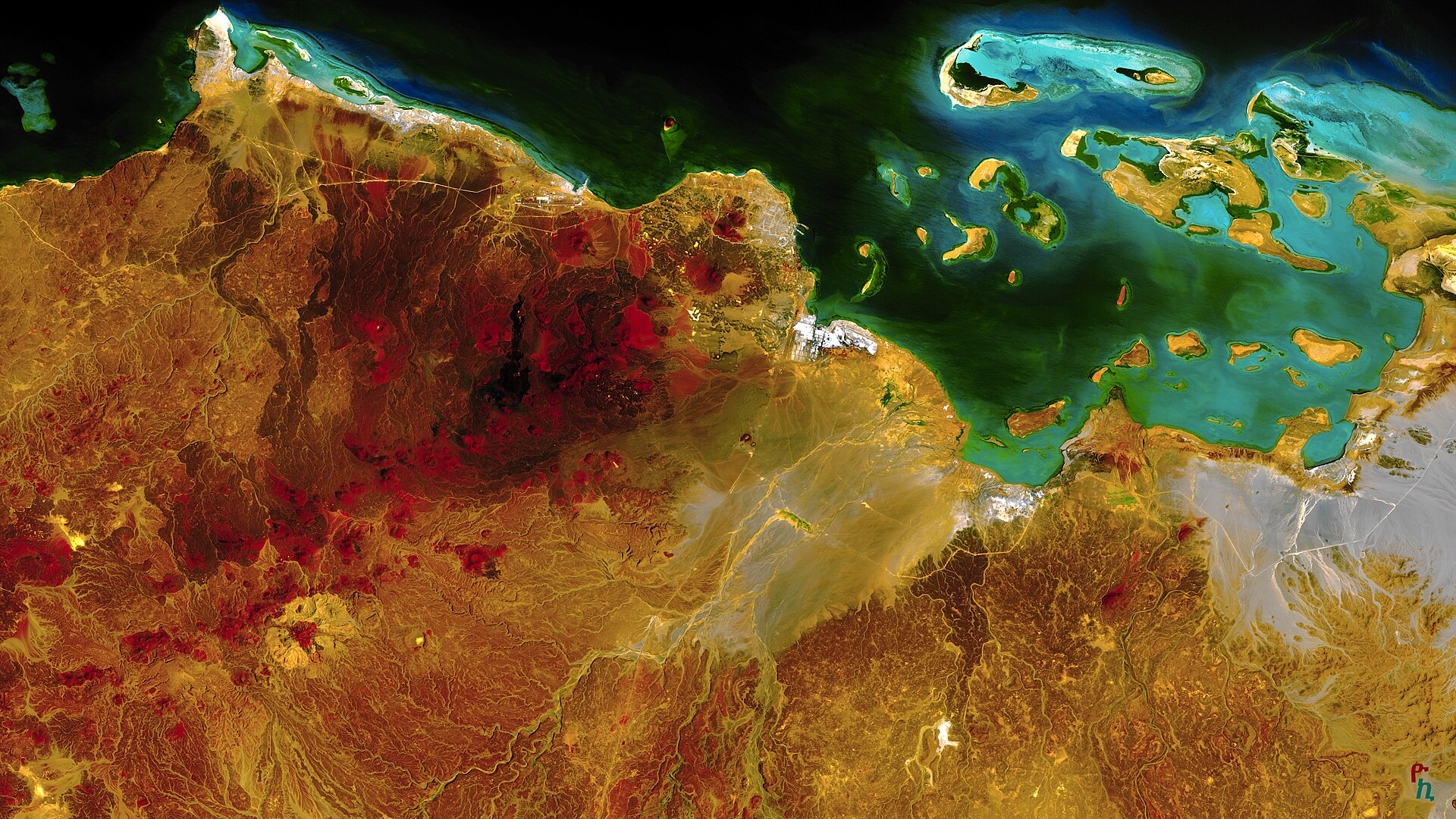
What did the G7 say about the Assab port dispute?
In a joint declaration published on 11 November after their Paris meeting, the G7 ministers said they noted “with great concern” the worsening security situation between Ethiopia and Eritrea, which “bears the risk of regional escalation”. They urged “maximum restraint”, backed United Nations and African Union efforts to reduce tensions, and stressed respect for the sovereignty and territorial integrity of all countries in the region.
The declaration does not mention the Assab port by name. No response from Ethiopia or Eritrea was found in the reporting reviewed.
What do the US senators want on the Assab port?
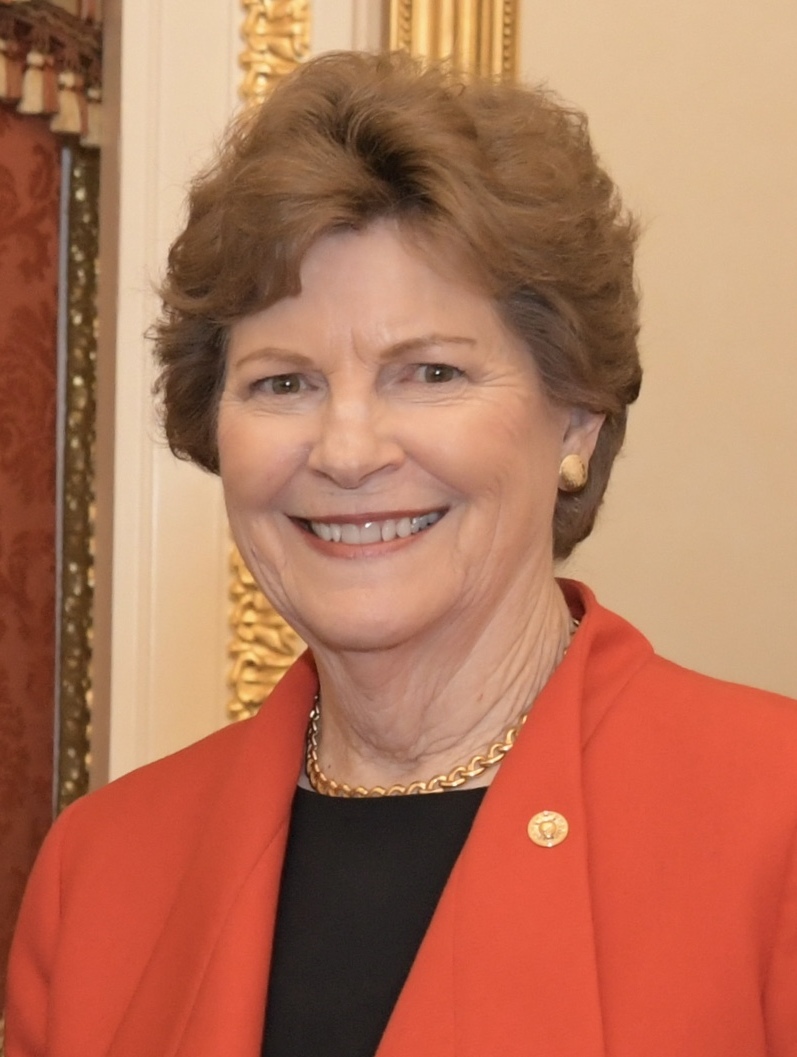
Five Democratic members of the Senate Foreign Relations Committee, led by Jeanne Shaheen and including Chris Coons, wrote to Secretary of State Marco Rubio on 10 November, BBC Amharic reported. The committee’s Democratic press office confirmed the letter to the broadcaster. The State Department had not commented publicly.
The senators asked Washington to make clear that any attempt by Ethiopia to take the Assab port by force would not be supported or accepted, and not to use the port as a “bargaining tool” in talks. They warned of a “multi-front conflict” that could destabilise the Horn of Africa and the Red Sea. They also asked the US to halt new arms sales to Ethiopia while fighting continues. BBC Amharic noted that Washington lifted its arms embargo on Ethiopia in May, and that Mr Rubio has said the decision was unrelated to the current tension.
What is the Ethiopian and Eritrean position on the Assab port?
Prime Minister Abiy Ahmed’s government has said for three years that it wants sea access, and has said it would pursue it through trade, according to BBC Amharic. The navy commander, Admiral Kindu Gezu, said that if diplomacy fails, gaining access by other means would be a last and unwanted option, as DNE Africa reported on 10 November. Eritrea says Ethiopia is preparing an “invasion” under the cover of its sea-access demand.
Tension rose further when fighting resumed between the government and Tigrayan forces in mid-September. After Eritrean troops were reported to have entered areas of Tigray at the end of September, Ethiopia said it had no option other than self-defence, and Eritrea rejected the account, BBC Amharic said. DNE Africa has also covered a US warning against cross-border incursions and Eritrea’s accusation that Ethiopia fabricated its claims.
What happens next?
The senators’ letter is a request, not US policy, and the State Department has not responded. The next signals are any reply from Washington, whether the UN or African Union convenes talks, and further troop movements on the border. Claims about troop positions from either government have not been independently verified.
FAQ
Why is the Assab port at the centre of the dispute?
Ethiopia, which has been landlocked since Eritrea’s independence in 1993, says it wants sovereign sea access. The Assab port is in Eritrea, which rejects the idea.
What did the G7 say about Ethiopia and Eritrea?
The G7 foreign ministers said the situation bears the risk of regional escalation and urged both sides to show maximum restraint and pursue diplomacy.
What did the US senators ask Marco Rubio to do?
They asked him to say the US would not accept a forcible Ethiopian takeover of the Assab port, to keep the port out of negotiations, and to halt new arms sales to Ethiopia.


