
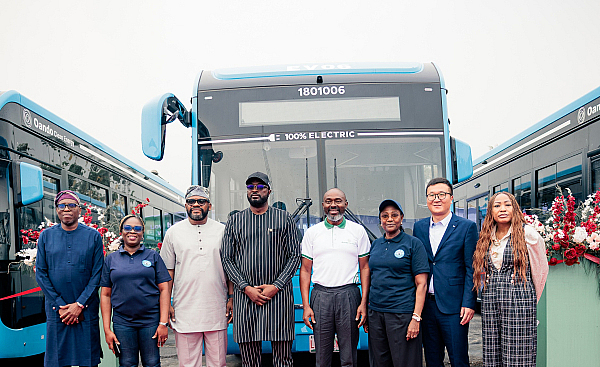

Oando Clean Energy and the Lagos State Government have begun the full rollout of Lagos electric buses after a two-bus pilot, with 11 new vehicles due in service by the fourth quarter of 2026, Oando PLC said.
The Lagos electric buses matter because Nigeria’s commercial capital is trying to cut diesel use in a mass transit system that carries millions of commuters a day, and it is a test of whether electric buses can run reliably in a city with an unreliable power grid.
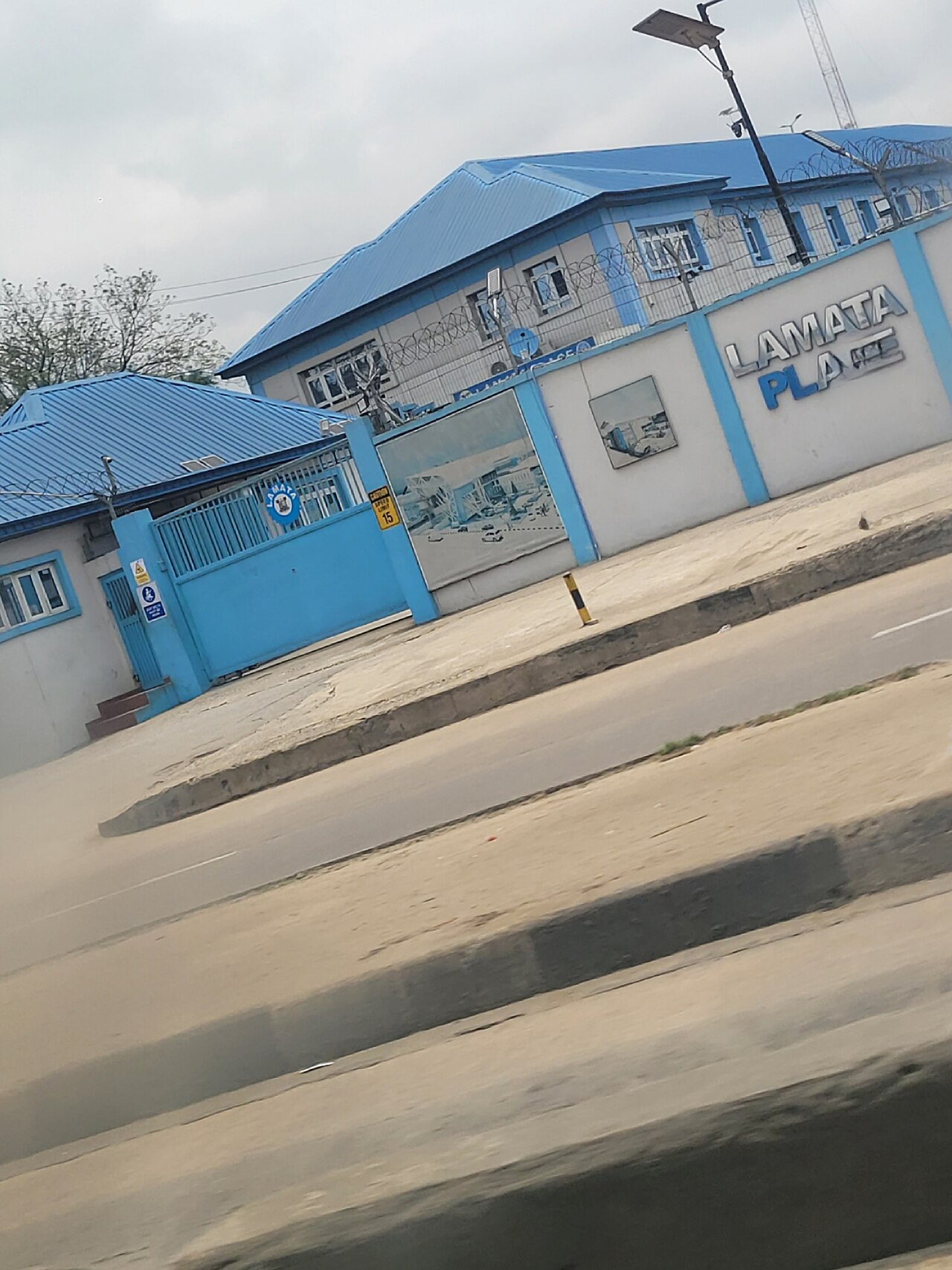
The buses were handed over at a ceremony at LAMATA Place in Lagos on 10 November, according to Premium Times. Nairametrics reported that the new batch of 11 brings Oando’s fleet under the partnership to 13, within a longer-term plan for 552 electric buses.
How have the Lagos electric buses performed so far?
Oando Clean Energy Limited (OCEL), the renewable energy subsidiary of Oando Energy Resources, put two buses on Lagos roads in May 2023 under a 2022 agreement with the Lagos Metropolitan Area Transport Authority (LAMATA). Since then the two buses have carried about 788,000 passengers, covered 433,000km and avoided roughly 216,000 litres of diesel, with close to zero downtime, the company said.
In the first nine months of 2026 the service recorded more than 212,000 passenger journeys at average capacity utilisation of 73 per cent, according to the statement. These figures are the company’s own and have not been independently audited.
Each Yutong-built bus carries up to 79 passengers, 39 seated and 40 standing, and has air conditioning, Wi-Fi, 360-degree cameras and wheelchair access, Oando said. LAMATA will operate the new buses on behalf of the state government.
What did officials say at the launch?
Oluwaseun Osiyemi, Lagos State Commissioner for Transportation, said the Lagos electric buses support the state’s goal of net-zero emissions by 2050. “This is more than the introduction of new buses,” he said, describing it as a practical demonstration of the state’s commitment to cutting transport emissions and improving air quality.
Abimbola Akinajo, managing director of LAMATA, pointed to more than two years of operating data from the pilot. She said the success of the programme “will not be measured by the number of electric buses introduced, but by the quality of service they provide”.
Ademola Ogunbanjo, president and chief executive of OCEL, said the company was building charging infrastructure, after-sales service, technical training, a spare parts supply chain and local vehicle assembly, which it said it is now licensed to carry out. “This is how we move beyond importing electric vehicles to building an industry,” he said.
The Bank of Industry, a state-owned development lender, is backing the project. Ibitoru Olutoyin Ubosi, its divisional head for infrastructure finance, said investing in cleaner, reliable mass transit was an investment in economic competitiveness. Damian Li, country account manager at Yutong West Africa, said the Chinese manufacturer would support charging, maintenance, mechanic training and spare parts.
Why does the Lagos electric buses rollout matter for Nigeria?
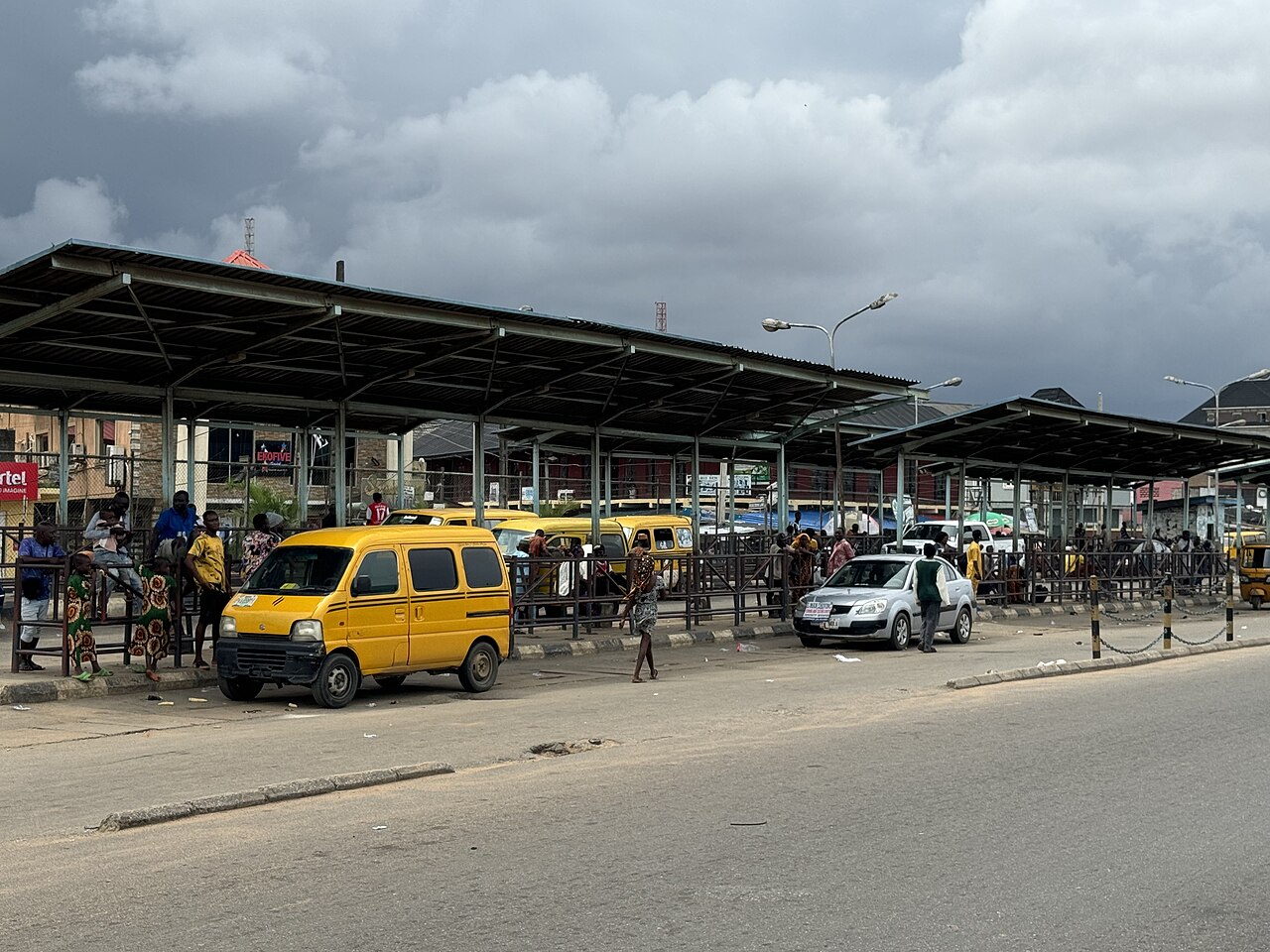
Lagos has moved its bus policy away from diesel. Since the start of 2026 LAMATA has required operators adding new buses to use compressed natural gas or electric vehicles, and existing diesel buses are expected to be phased out over time, Nairametrics reported. The federal government has also promoted gas-powered and electric transport since the removal of the petrol subsidy in 2023 pushed up fuel costs.
The scale remains small. Thirteen Lagos electric buses are a fraction of the fleet serving a metropolitan area of more than 20mn people, and the companies gave no cost figures for the new batch or a timetable for the wider 552-bus plan. Power supply is another test: Nigeria’s national grid has suffered repeated collapses, so charging depends on dedicated infrastructure.
Ogunbanjo said the aim was to show that electric mobility can work in Nigerian conditions. “If it can work in Lagos, it can work anywhere in Nigeria,” he said. DNE Africa has also covered Dangote Group’s plans for industrial investment in Egypt and Mozambique’s bid to become a southern African energy hub.
What happens next?
The 11 new Lagos electric buses are expected to begin carrying passengers before the end of 2026. Oando has not said when further batches will arrive or which routes they will serve. LAMATA said results will be judged on service quality, and the pilot’s data will be the benchmark.
FAQ
How many Lagos electric buses are in service?
Two pilot buses have run since May 2023. Eleven more were handed over in November 2026 and are due to enter service in the fourth quarter, bringing Oando’s fleet to 13, according to Nairametrics.
Who operates the Lagos electric buses?
LAMATA operates them on behalf of the Lagos State Government. Oando Clean Energy supplies the buses, which are built by Yutong, and the charging infrastructure.
Who is financing the Lagos electric buses?
The Bank of Industry is backing the investment, according to the Oando statement. No cost figures were published.
What is the long-term target?
Nairametrics reported a plan for 552 electric buses in Lagos. No timetable has been given.


