
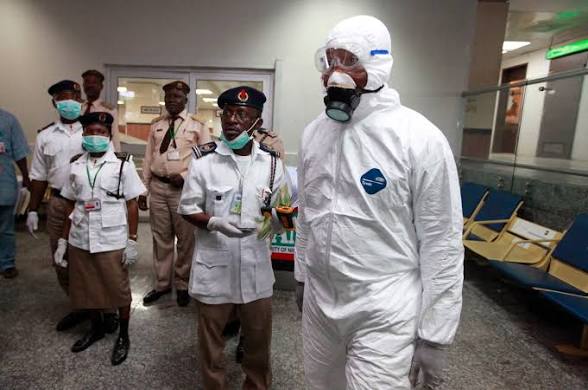

Nigeria has confirmed a case of Ebola virus disease in the Federal Capital Territory (FCT), Abuja, after a woman who recently arrived from Uganda tested positive, prompting health authorities to isolate the patient and begin contact tracing.
Minister of Health and Social Welfare Muhammad Ali Pate said the woman arrived in Nigeria on an international flight from Uganda and was admitted to a private hospital in Abuja, where she received treatment for several days before the diagnosis was confirmed.
“She is currently in isolation and receiving medical care,” Pate said, according to local media reports.
Health authorities have identified 44 close contacts and launched contact-tracing operations to determine whether other people may have been exposed to the virus.
The case has prompted renewed attention to Nigeria’s preparedness to detect and contain imported Ebola infections, particularly given the risk of cross-border transmission through international travel.
Ebola is a severe viral disease that can cause fever, weakness, vomiting, diarrhoea and, in serious cases, internal or external bleeding. The virus can spread through direct contact with the blood or other bodily fluids of an infected person, as well as contaminated materials.
Early detection, isolation of suspected cases, contact tracing and strict infection-prevention measures are critical to limiting transmission.


