
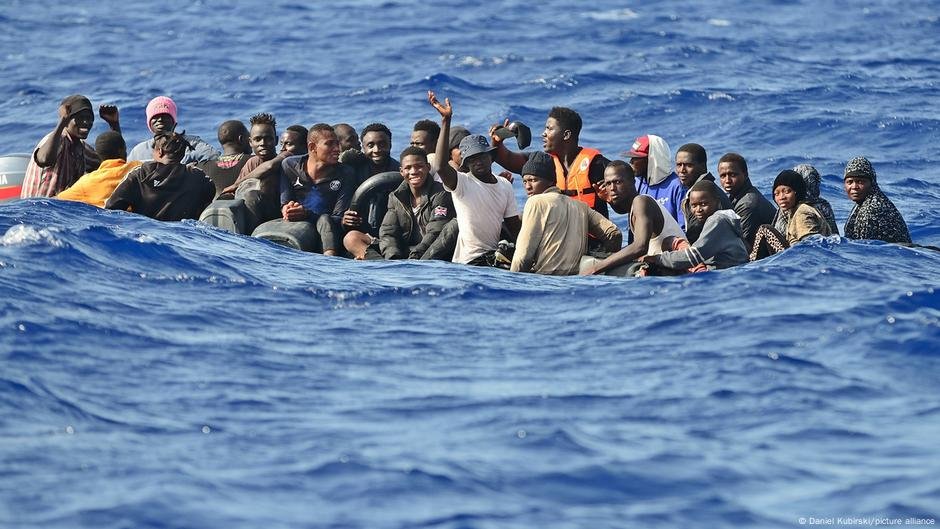

The number of migrants from four West African countries arriving in Europe by sea fell 59% in the first half of 2026 compared with the same period last year, although the decline does not necessarily indicate easing migration pressures, the International Organization for Migration (IOM) said.
A total of 4,566 migrants from Mali, Senegal, Guinea and The Gambia reached Europe through three major maritime routes between January and June, down from an estimated 11,137 arrivals in the first half of 2025, according to an IOM report published on Oct. 13.
The figures were reported by Nigerian financial news outlet Nairametrics on Wednesday.
Malian nationals accounted for the largest share of arrivals from the four countries, at 1,589, followed by Senegalese nationals with 1,184, Guineans with 1,076 and Gambians with 919.
Spain recorded most of the arrivals, the report said.
Migration routes shift as risks persist
The decline in arrivals comes amid tighter border controls and changing migration patterns across the Atlantic and Mediterranean routes.
The West African Atlantic route remained the main maritime corridor for migrants from the region heading to Europe, with West African nationals accounting for 83% of arrivals recorded along the route in the first half of 2026, according to the IOM report.
However, the share of West African nationals arriving through the Western Mediterranean route rose to 21.9% in the first half of 2026, from 15.6% in 2025. Their share of arrivals along the Central Mediterranean route also increased, reaching 10.5%, up from 8.6%.
The figures suggest that migration flows are shifting across routes even as the overall number of arrivals from the four countries declines.
IOM Director General Amy Pope has warned that fewer arrivals along particular routes do not necessarily mean fewer people are attempting to migrate. Tighter border controls and other pressures can instead push migrants towards alternative crossings that may be longer and more dangerous.
The Atlantic route to Spain’s Canary Islands remains particularly hazardous, with deaths and disappearances continuing despite the decline in arrivals.
Return programmes highlight risks of irregular migration
Thousands of West Africans who attempt to reach Europe also become stranded along migration routes or require assistance to return home.
Nairametrics reported in March that more than 60,300 Nigerian migrants had returned home through assisted voluntary return programmes since 2017, after encountering difficulties along their journeys.
The IOM has documented cases in which migrants faced exploitation, abuse and life-threatening conditions while attempting to reach their destinations.
The latest figures come as several Western countries tighten immigration rules and strengthen controls on irregular migration, while restrictions on employment, study and residency pathways affect prospective migrants.
The IOM data highlight the distinction between recorded arrivals and the broader pressures driving migration. Although fewer people from the four West African countries reached Europe by sea in the first half of 2026, the changing distribution of arrivals across maritime routes underscores the continuing risks facing those attempting the journey.


