

Hundreds of protesters gathered in Chad’s capital, N’Djamena, on December 6, 2024, to demand the immediate withdrawal of French military forces from the country. This demonstration follows Chad’s decision to end its long-standing defense cooperation agreement with France, which was announced just days earlier.
The protesters voiced their frustrations with chants such as “Chad for us, France out,” while some held signs proclaiming “We don’t want to see a single Frenchman in Chad.” The protests reflect the growing sentiment in Chad against foreign military presence, particularly that of its former colonizer.
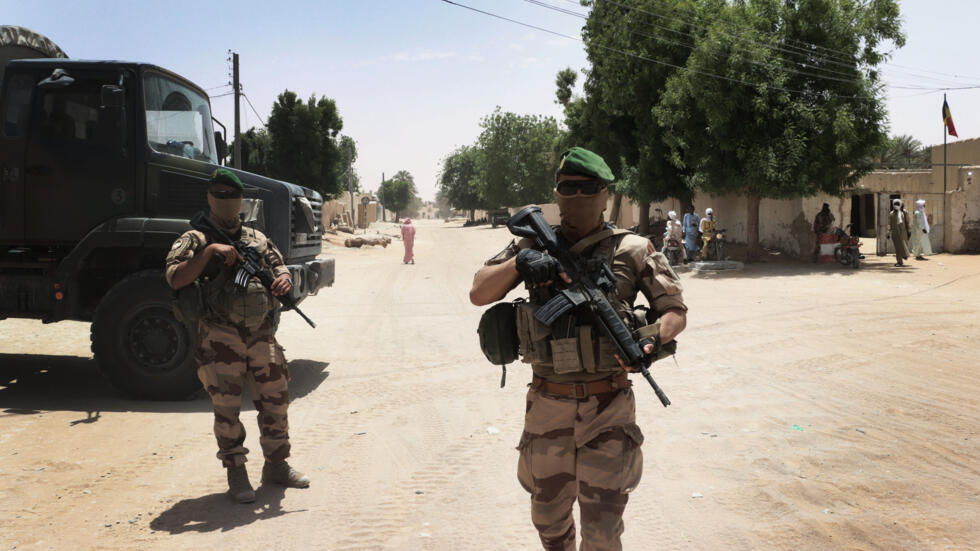
The Chadian government made waves last week by announcing that it would terminate the defense agreement with France to redefine its strategic alliances according to national priorities. Although France has around 1,000 troops stationed in Chad, the government did not provide details on when the troops would depart. Protesters marched toward a military airbase in N’Djamena, demanding the withdrawal of French soldiers. Others gathered outside the French embassy, where they were met with a strong security presence from the Chadian military.
Former Public Health Minister Dr. Hissein Massar was among the protestors, expressing his opposition to the French presence: “We no longer want the French presence in Chad. This protest will end when the French leave,” he declared.
Chad’s decision to end its military cooperation with France comes at a time when several countries in the Sahel region, including Mali, Burkina Faso, and Niger, have also cut ties with France, growing closer to Russia. The Russian influence in the region, with the deployment of mercenaries, has been seen as a response to French military presence and influence in the fight against Islamist insurgents.
Chad, one of the last nations in the region with a significant French military presence, has had a complex relationship with its former colonizer. The announcement comes amidst a period of political transition following the 2021 death of President Idriss Déby, who ruled Chad for over 30 years. His son, Mahamat Déby Itno, now serves as interim president, and the government recently extended its transitional period by two years, a move that has sparked protests across the country.
While Chad’s government stresses that the termination of the defense agreement does not mean an end to its relationship with France, the move signals the country’s intent to realign its foreign policy, prioritizing national interests over longstanding military partnerships. The future of French military involvement in Chad and the broader region remains uncertain, with the protests indicating a deepening divide over foreign influence in African politics.


