
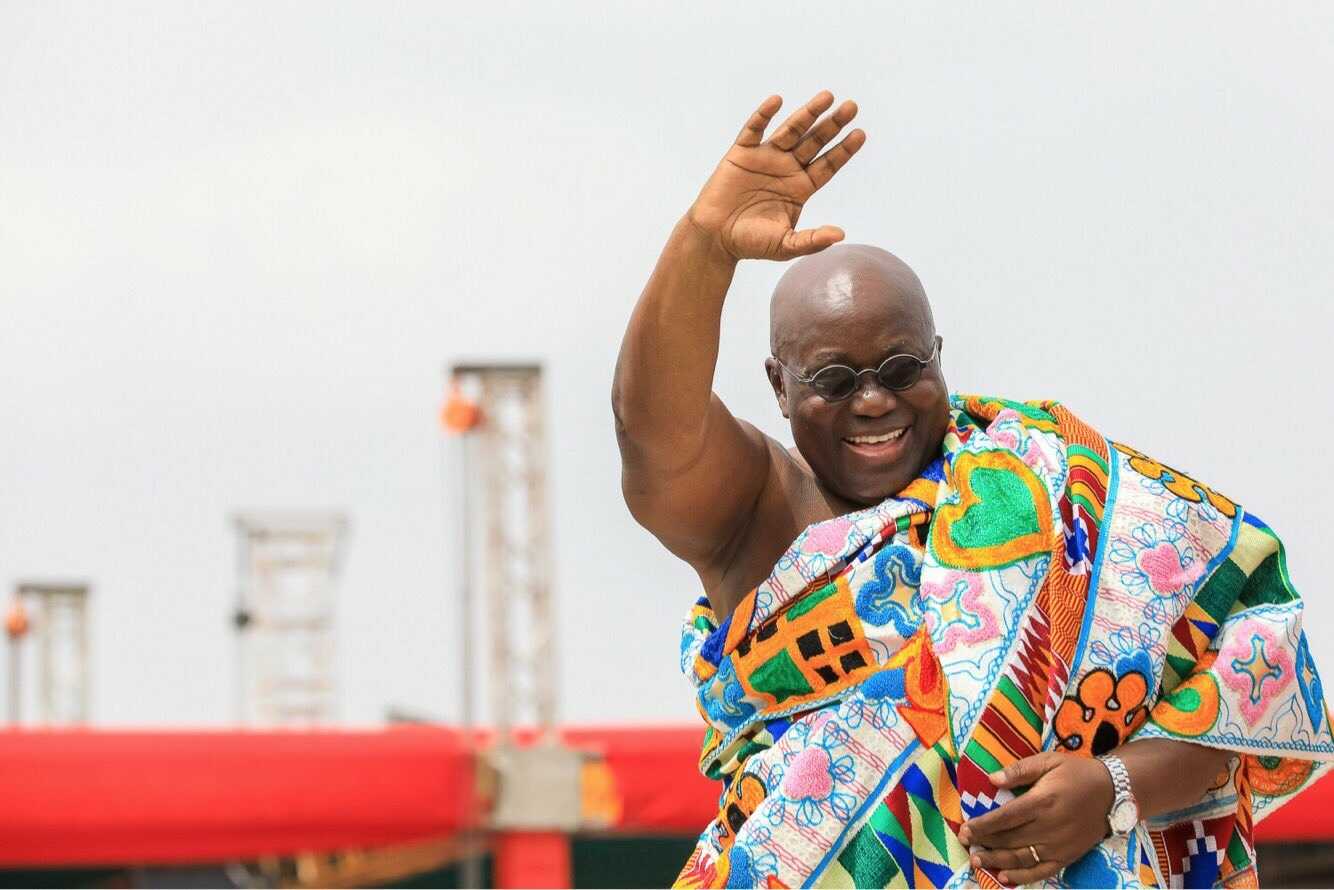

On Saturday morning, the people of Ghana began making their way to polling stations, casting their votes in one of the most anticipated presidential elections in recent years. This election marks a significant turning point for the country, as the nation prepares to choose a new leader to succeed outgoing President Nana Akufo-Addo, whose two-term tenure comes to an end after a period of relative political stability. Ghana’s peaceful transition of power, a hallmark since 1992, has made it a beacon of democracy in Africa, and this year’s election promises to be no different.
The candidates vying for the highest office in the land are no strangers to Ghanaian politics. From the ruling New Patriotic Party (NPP), Vice President Mahamudu Bawumia, a respected economist, is hoping to continue the momentum of his predecessor’s administration. With his extensive background in economic policies and a promising future ahead, the 61-year-old Bawumia has promised to modernize the country’s economy, focusing heavily on digitalization and economic transformation.
Bawumia, who has gained significant popularity for his policy-focused approach and economic acumen, faces fierce competition from John Dramani Mahama, the former president of Ghana. Mahama, 66, comes from the opposition National Democratic Congress (NDC) and served as president from 2012 to 2017. During his campaign, Mahama has positioned himself as the advocate of a “fresh start,” promising to tackle some of the pressing issues facing the nation, including unemployment, youth empowerment, and agricultural support. His plans emphasize creating new opportunities for young entrepreneurs and strengthening the agricultural sector, which remains a crucial pillar of Ghana’s economy.
A key issue that both candidates will need to address is the country’s rapidly growing economic challenges. Ghana’s unemployment rate has surpassed 14%, and the cost of living has risen sharply, especially in the wake of the global economic disruptions caused by the pandemic. Additionally, the nation grapples with inadequate infrastructure, corruption, and environmental issues, all of which have left many Ghanaians yearning for more tangible solutions. The weakening of the local currency and the increasing debt burden further complicate the situation, creating an environment where voters are eager for a leader who can navigate the economic storm.
Among the most important demographics in this election are the country’s youth, who represent a large portion of the electorate. With 18.7 million registered voters, more than half — 10.3 million — are between the ages of 18 and 35. This younger generation, which has grown up in a rapidly changing world, is expected to play a pivotal role in determining the outcome. Their concerns about unemployment, access to education, and the digital economy are expected to shape the political discourse in the months leading up to the election. The candidates have been quick to address these issues, but whether they can convince the younger electorate to turn out in large numbers will be crucial.
Polls have indicated that a clear winner may not emerge in the first round, with both Bawumia and Mahama expected to fall short of securing the 50% threshold required to win outright. This leaves the race open for a potential runoff, which would bring even more attention to the issues at stake.
As Ghanaians head to the polls, the nation faces a critical juncture. The winner of this election will not only inherit the task of leading Ghana through a difficult economic recovery but also continue the legacy of a peaceful, democratic process that has earned the country respect throughout Africa and beyond. Whether Ghana’s next leader will be able to fulfill the hopes of the electorate and bring about meaningful change remains to be seen. But one thing is certain: the world will be watching closely as this pivotal election unfolds.


