

Ghana’s decision to reject a GH¢20 million ($1.8 million) donation from MTN Ghana to support citizens returning from South Africa has sparked debate over national pride, corporate responsibility and the diplomatic tensions between Accra and Pretoria. The Ministry of Foreign Affairs said the government had already made adequate financial provisions for the evacuation and reintegration of affected Ghanaians.
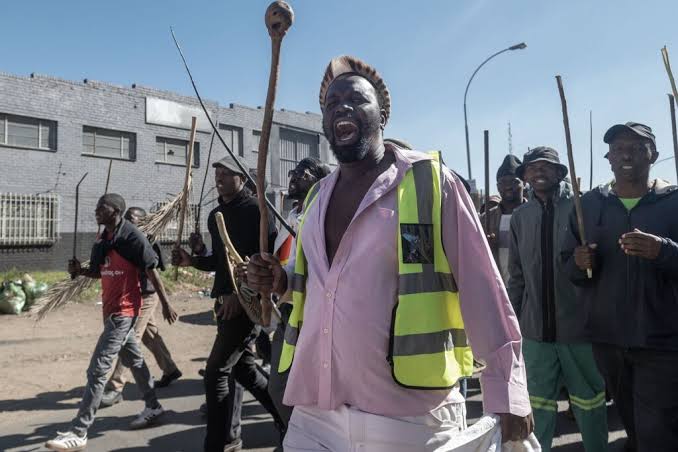
Tensions between Ghana and South Africa have intensified following a wave of anti-immigrant protests, threats and xenophobic attacks targeting foreign nationals in South Africa. Ghana has evacuated hundreds of its citizens and stepped up diplomatic pressure on Pretoria, while also calling for greater continental attention to attacks against African migrants.
The MTN offer has attracted particular attention because the telecommunications company is part of the South African-headquartered MTN Group. Wilberforce Asare, Head of the Legal and Political Desk at Asaase Radio, said the rejection had surprised many Ghanaians given the size of the contribution and MTN Ghana’s long record of supporting social and development initiatives.
Public reaction has been mixed, Asare told Channel Africa. While some view the decision as evidence that Ghana has the capacity to support its citizens without external assistance, others believe Accra may be seeking to distance itself from anything associated with South Africa amid the current tensions. “The government is demonstrating some level of pride by refusing to accept this offer,” he emphasized.
The government has affirmed that its decision should not be interpreted as a rejection of MTN’s goodwill or South African businesses. MTN’s contribution was presented as a corporate social responsibility initiative, consistent with its longstanding activities in Ghana. Asare nevertheless questioned why the government would reject significant domestic corporate assistance while Ghana continues to rely on international borrowing to finance programmes for its citizens.
The episode highlights the increasingly complicated intersection of business and diplomacy in Africa. As Ghana presses South Africa over the protection of its nationals while seeking to preserve longstanding economic ties, the rejection of MTN’s offer has become a symbol of a wider debate over sovereignty, corporate responsibility and how African states respond when commercial relationships become entangled with political tensions.


