
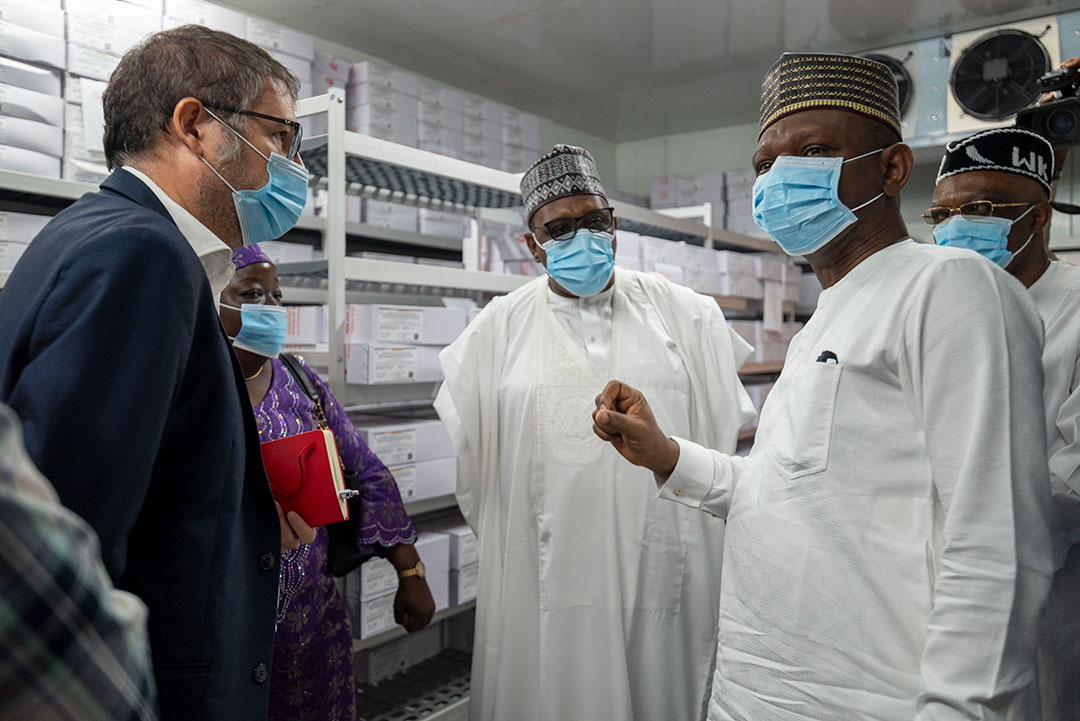

Nigeria, the country with the highest number of malaria-related deaths globally, has launched a historic vaccination campaign to combat the disease. With nearly a third of the world’s malaria deaths occurring in Nigeria, the introduction of the R21/Matrix-M vaccine marks a significant step toward reducing the burden of this deadly illness.
The vaccine, developed by the Jenner Institute at Oxford University, is the second malaria vaccine approved by the World Health Organization (WHO). Administered to children aged five to 15 months, it has demonstrated 75% efficacy in trials. Health experts emphasize that the vaccine should complement other preventive measures, including mosquito nets and insecticides, to maximize its impact.
Campaign Begins in Bayelsa and Kebbi States
The vaccination drive began in two of Nigeria’s most affected states, Bayelsa and Kebbi, with plans to expand nationwide by 2024. At a ceremonial launch in Bayelsa, parents lined up to vaccinate their children, with many expressing hope for a safer future.
Bayelsa’s Commissioner for Health, Professor Seiyefa Brisibe, announced that public health campaigns would be conducted in local languages to ensure widespread awareness about the vaccine.
Nigeria’s Malaria Crisis
According to WHO data, Nigeria accounted for 27% of global malaria cases and 31% of deaths in 2022, with children under five and pregnant women being the most vulnerable. Across Africa, which bears 95% of global malaria fatalities, malaria claimed an estimated 580,000 lives last year.
The Nigerian government estimates an annual economic loss of $1.1 billion due to malaria-related health costs and productivity losses, highlighting the urgent need for effective interventions.
How the Vaccine Works
The R21/Matrix-M vaccine requires three doses administered over four weeks, followed by a booster after one year. Health officials are optimistic that its implementation will significantly reduce malaria mortality rates.
A Step Toward a Malaria-Free Nigeria
With plans to extend the rollout across all states next year, the government is confident that this initiative, combined with existing malaria prevention tools, will bring the country closer to its goal of eradicating the disease.
The introduction of the R21/Matrix-M vaccine in Nigeria is being hailed as a milestone in public health and a crucial step toward achieving a malaria-free future for Africa.


