
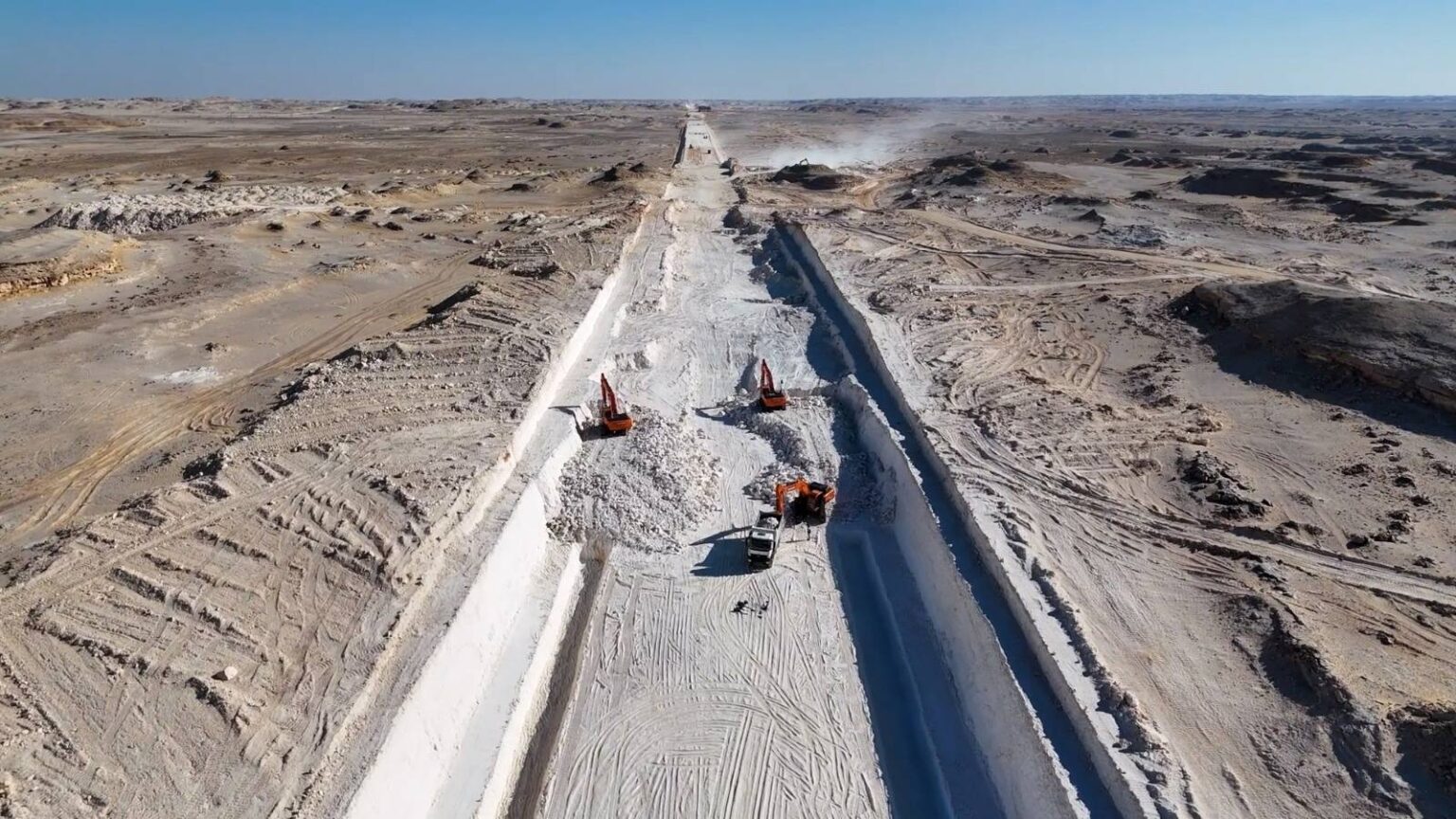

A major highway being built by an Egyptian contractor in eastern Chad is expected to transform trade and transport links between North and Central Africa, providing landlocked Chad with faster access to Mediterranean and Red Sea ports while reinforcing infrastructure cooperation between Egypt and Chad.
The 381-km (237-mile) Abéché-Amdjarass highway, which runs via Amzoer, Guéréda and Iriba, is being constructed by Egypt’s Arab Contractors under a $635 million contract. The project is expected to take three years to complete and forms part of Chad’s five-year programme to expand its road network by 7,000 km by 2029.
Once completed, the highway will improve Chad’s connectivity with neighbouring Libya and Sudan while strengthening transport links with Egypt. It is expected to provide the landlocked country with faster access to the Libyan ports of Benghazi and Misrata on the Mediterranean Sea and Egypt’s Safaga Port on the Red Sea, reducing transport costs and transit times for goods moving to regional and international markets.
The project is also expected to expand Chad’s access to Mediterranean and Atlantic markets, facilitate cross-border trade and support economic growth in eastern Chad by improving the movement of goods and people.
For Egypt, the highway reinforces its role as a leading infrastructure partner in Africa while advancing Cairo’s strategy of strengthening regional integration through cross-border connectivity. Improved road links are expected to increase trade and investment between Egypt and Chad and enhance Egypt’s position as a gateway connecting African markets with Europe, the Middle East and global shipping routes.
The highway forms part of the broader Trans-African Highway network, a flagship initiative under the African Union’s Agenda 2063 development blueprint aimed at improving continental connectivity and boosting intra-African trade through modern transport corridors.
Speaking to DNE Africa, Ali Issa, who works for the Chadian government, said Egypt has witnessed “a milestone development” in its infrastructure, adding that the country’s economy has become more attractive to Africans.
He also praised Egypt’s Arab Contractors, saying the company’s teams in Chad are “working against the clock” to deliver major and mega infrastructure projects that support the country’s long-term development agenda.
“The work being carried out by Arab Contractors demonstrates the strength of cooperation between Egypt and Chad and the important role Egyptian companies are playing in Africa’s infrastructure development,” Issa noted.
The project reflects growing economic cooperation between Cairo and N’Djamena, with both countries seeking to strengthen regional connectivity, facilitate trade and support the African Union’s vision of a more integrated continent through strategic transport infrastructure.


