
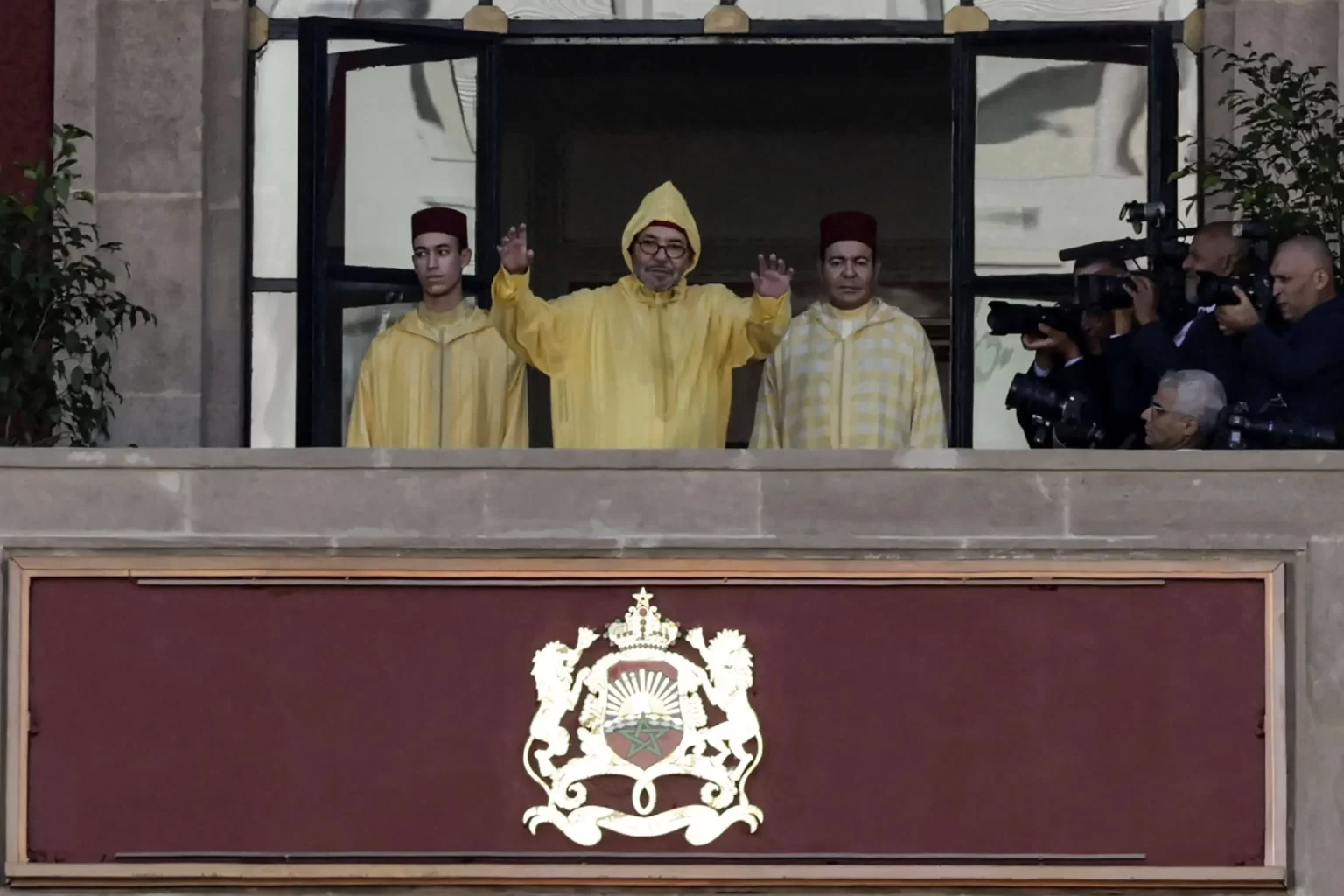

King Mohammed VI of Morocco on Friday called for an acceleration of reforms aimed at job creation for young people, improved public services, and reduced regional inequalities, with a specific focus on mountain and oasis regions. This royal address to parliament comes just a week after a series of widespread, youth-led protests demanded better health and education services and an end to corruption across the country.
While Morocco is a constitutional monarchy where the King sets major policy directions, the recent wave of demonstrations appears to have prompted a renewed focus on social and economic challenges.
What Reforms Did King Mohammed VI Call For?
In his parliamentary speech, King Mohammed VI did not directly address the youth protesters but emphasised the need for rapid implementation of local development programmes. He urged “a faster implementation pace and stronger impacts from the next-generation of local development programs,” which he had tasked the government to prepare in July.
Key priority areas highlighted by the King include:
- Job Creation: Specifically targeting employment opportunities for young people.
- Public Services: Achieving “tangible progress in the education and health sectors.”
- Regional Equality: Greater attention to “the most fragile areas,” such as mountain and oasis regions, to reduce disparities.
The call for reforms seeks to ensure consistency between national flagship projects and social programs, hinting at the concerns raised by protesters regarding resource allocation.
Why Are Young Moroccans Protesting?
The recent protests, largely spearheaded by an anonymous online collective called GenZ 212, began on September 27 with calls for better health services, education, and denunciations of what protesters described as misplaced political priorities.
Specific grievances include:
- Underfunded Public Services: While substantial public funds have been invested in football stadiums for upcoming tournaments (like the 2026 Africa Cup of Nations and the 2030 FIFA World Cup), local schools and hospitals remain underfunded.
- Healthcare Concerns: Protests initially gained traction following deaths, including pregnant women, under questionable circumstances at a regional hospital in Agadir in mid-September.
- Unemployment: Although not a primary demand by GenZ 212, high youth unemployment is a significant underlying issue. Morocco’s overall unemployment rate is 12.8%, but youth unemployment stands at 35.8%, reaching nearly 48% for those aged 15-24 in cities.
The protests, initially small, grew quickly from Rabat to major cities like Casablanca and Agadir, and then to smaller towns. They have since become some of the largest anti-government demonstrations in Morocco in years.
Who Are “GenZ 212” and How Are They Organized?
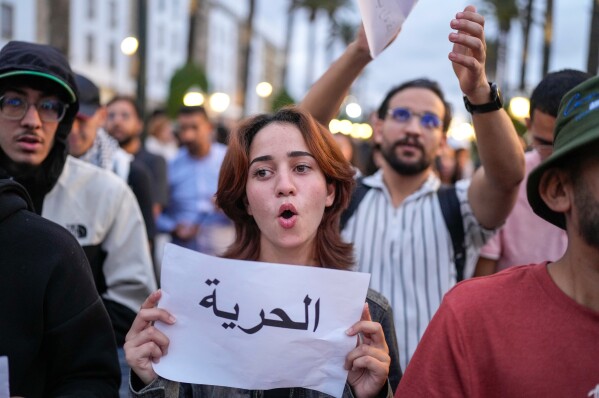
GenZ 212 is a leaderless, anonymous collective that emerged from the internet. The “Gen Z” in their name refers to the age of the protesters—mostly teenagers and those in their twenties—while “212” is Morocco’s international dialing code.
- Online Origins: The group first called for protests via its eponymous server on the social platform Discord.
- Decentralised Structure: Moroccan political analyst Rachid Belghiti described the group as “purely a product of the internet,” lacking a traditional organisational structure or known leadership. This distinguishes it from previous movements like the 2011 “February 20 Movement,” which had clear political demands for structural state reform.GenZ 212’s demands are described as “more general and characterized by a kind of political romanticism.”
- Tactics: After initial small demonstrations on September 27, the group decided to organise daily protests. They temporarily suspended protests on Friday out of respect for the King’s parliamentary address.
How Violent Have Morocco Protests Been?
The protests turned violent on Tuesday, October 1, with demonstrators seen confronting security services, setting cars and shops on fire, smashing windows, and throwing rocks.
- Casualties and Damage: Morocco’s Interior Ministry reported over 400 arrests, 263 injured security officers, and damage to 142 official vehicles and 20 privately-owned cars. Twenty-three civilians were also injured.
- Fatalities: On October 1, two people were killed after police fired at protesters in the southern town of Lqliaa, reportedly in self-defence, according to Morocco’s state news agency.


