
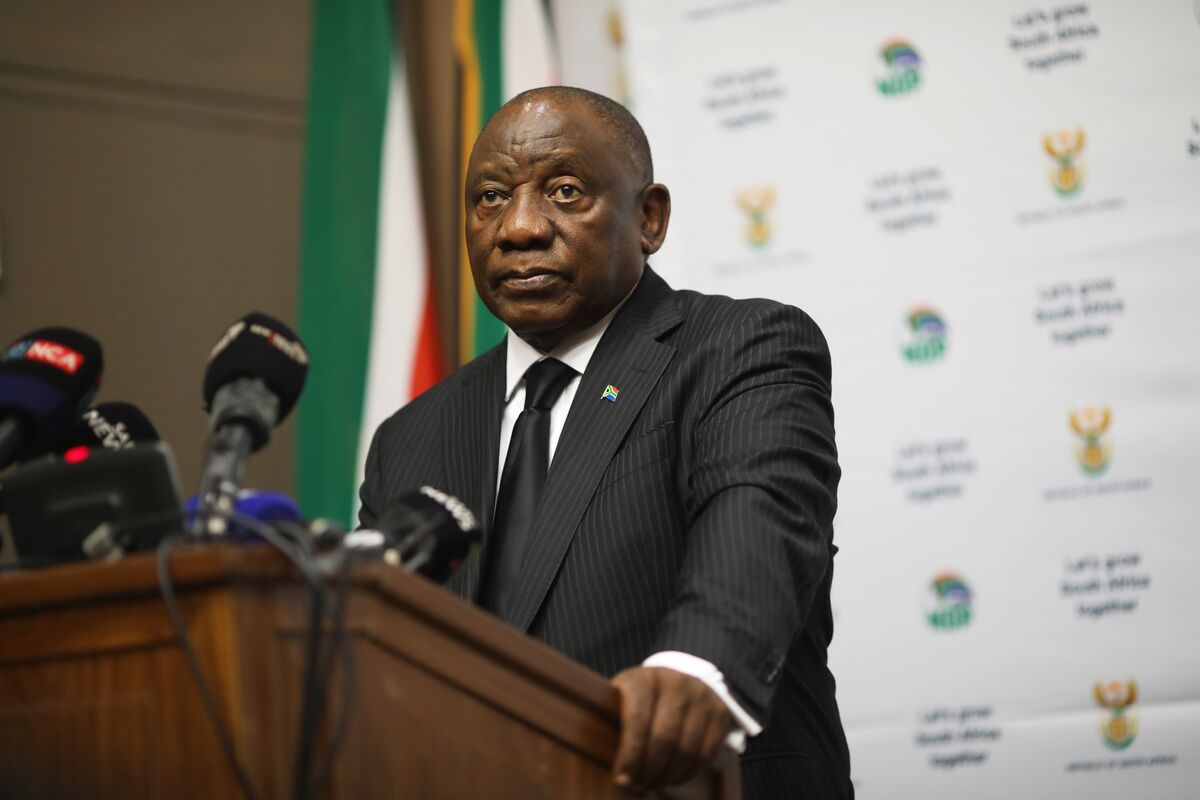

South African President Cyril Ramaphosa’s legal team is preparing to enter formal negotiations aimed at settling a high-profile lawsuit brought by the families of victims of apartheid-era atrocities, signaling a potential breakthrough in one of the country’s most enduring human rights controversies.
The case, filed earlier this year by 20 victims and their representatives, alleges that successive South African governments have obstructed efforts to bring justice for crimes committed by apartheid-era security forces. The lawsuit seeks 167 million rand (approximately $9.2 million) in compensation, as well as the establishment of an independent commission of inquiry to investigate the lack of accountability for crimes such as murder, torture, and forced disappearances.
The legal action directly names President Ramaphosa and several government institutions, including the Ministry of Justice and the South African Police Service. While the President and his ministers have since withdrawn their formal opposition to the lawsuit, the National Prosecuting Authority (NPA) continues to resist parts of the claim.
In a significant development, Howard Varney, a lawyer representing the families, confirmed that Ramaphosa’s legal stance now aligns with several key demands—most notably, support for a truth-seeking commission and the possibility of awarding constitutional damages to the victims’ families. This suggests a new willingness from the Presidency to address the legal and moral vacuum left by decades of delayed justice.
Negotiations between the government and the plaintiffs are scheduled to begin on March 17, with a presiding judge encouraging both sides to reach a resolution by the end of the month. Presidential spokesperson Vincent Magwenya emphasized that Ramaphosa believes mediation is the most constructive and compassionate way forward in dealing with the grievances of the affected families.
The lawsuit casts renewed light on South Africa’s ongoing struggle to reconcile with the darkest chapters of its apartheid past. Despite the establishment of the Truth and Reconciliation Commission (TRC) in the late 1990s under President Nelson Mandela—an institution that reviewed over 22,000 testimonies and recommended more than 300 prosecutions—only a handful of cases have proceeded to trial.
Critics argue that post-apartheid governments, particularly under former President Thabo Mbeki, failed to act on the TRC’s recommendations and may have even colluded with elements of the old regime to suppress justice. While Mbeki has publicly denied such claims, he has reportedly signaled his intention to intervene in the case before a March 31 deadline.
The lawsuit reflects growing public frustration over the state’s inability—or unwillingness—to hold perpetrators accountable for systemic violence during apartheid. Advocates for justice maintain that this legal battle could serve as a turning point in South Africa’s long-delayed reckoning with its past.
If successful, the settlement may pave the way for a broader national effort to revisit unresolved apartheid-era cases and affirm the government’s commitment to transitional justice—nearly three decades after the official end of apartheid.


