
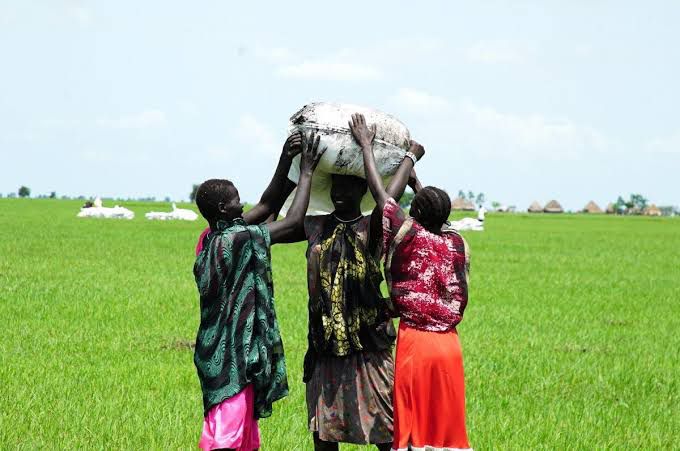

The World Food Programme (WFP) has launched emergency airdrops of food assistance in South Sudan’s Upper Nile State, targeting communities cut off by conflict since March. More than 40,000 people in Nasir and Ulang counties received aid in what marks the first humanitarian access to these areas in four months.
The airdrops come as South Sudan’s hunger crisis worsens amid protracted conflict, which has triggered large-scale displacement and severely restricted humanitarian access. WFP’s Regional Director, Mary-Ellen McGroarty, warned that continued violence has intensified food insecurity, calling for immediate action to avert further deterioration.
According to WFP estimates, nearly 1 million people in Upper Nile are facing severe food shortages, including 32,000 in IPC Phase 5—the highest level of food insecurity classification. The crisis has displaced thousands internally and pushed nearly 50,000 people to flee to neighboring Ethiopia.
WFP aims to reach 470,000 people across Upper Nile and Jonglei States during the current lean season, which extends through August. However, closed river routes and renewed clashes have delayed the full-scale delivery of aid. To date, 300,000 people have received assistance, with 1,500 metric tons of food prepositioned for deployment once access improves.
The food insecurity crisis affects 7.7 million people across South Sudan, including 2.3 million children at risk of acute malnutrition. WFP has been forced to reduce rations due to funding constraints, currently covering only 2.5 million of those in need.
To maintain operations and expand access to hard-hit regions, WFP has appealed for an additional $274 million in funding through the end of 2025.


