

A confidential United Nations report has accused a Rwandan company with Russian ties of trafficking minerals from areas controlled by the M23 rebel group in eastern Democratic Republic of Congo, fueling the ongoing conflict in the region.
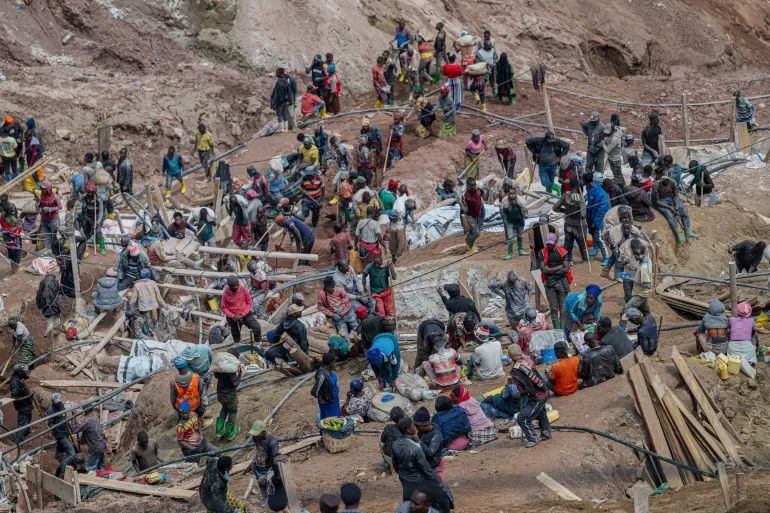
The report, seen by Reuters, identifies Boss Mining Solution, a Rwanda-based firm led by businessman Eddie Habimana, as being involved in the purchase and export of smuggled coltan from Rubaya – a mining zone seized by M23 fighters in 2024.
According to the panel of experts, the illicit mining and cross-border trade have reached “unprecedented levels,” with coltan – a crucial mineral for electronics manufacturing – being funneled into Rwanda despite its limited domestic production.
The report marks the first time a specific company has been named in a UN document for allegedly financing the conflict in eastern Congo through the mineral trade. It also revealed that two shareholders in the company hold Russian nationality, pointing to a broader network of international actors benefiting from the trade.
Export Data Raises Red Flags
Customs records analyzed by Reuters show Boss Mining Solution exported at least 150 tonnes of coltan in 2024. The volume raised concerns among UN investigators given that Rwanda is not a major coltan producer.
Rubaya, the mining area under M23 control, is estimated to hold about 15% of the world’s coltan reserves. The report states that the group imposes taxes of up to 15% on coltan transactions, generating monthly revenues of roughly $800,000 – a key source of funding for its operations.
Historical Tensions, Ongoing Disputes
Rwanda has repeatedly denied allegations of supporting M23, while Congolese authorities accuse Kigali of providing the rebels with material and logistical support. The tensions are rooted in longstanding political and ethnic disputes in the Great Lakes region, many of which date back to the aftermath of Rwanda’s 1994 genocide.
While Rwanda and Congo signed a U.S.-brokered peace agreement earlier this month, M23 was not a party to the deal. Instead, the rebel group is undergoing separate mediation efforts led by Qatar. Analysts say the group’s exclusion from the broader accord raises questions about the agreement’s effectiveness in calming eastern Congo’s volatile security situation.
The report’s findings are likely to intensify scrutiny of Rwanda’s role in the conflict and renew calls for stricter international oversight of mineral supply chains linked to conflict zones.


