
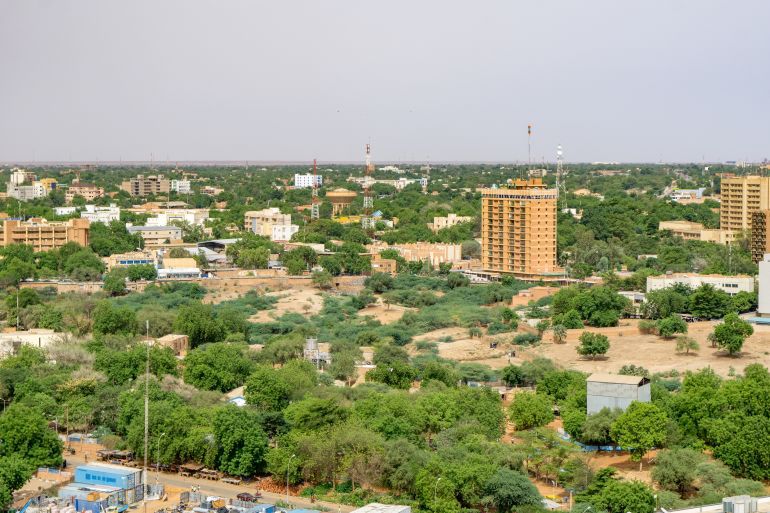

U.S. Suspends Visa Services in Niger Indefinitely Amid Post-Coup Uncertainty and Security Concerns
The United States has announced the indefinite suspension of all routine visa services at its embassy in Niamey, the capital of Niger, amid ongoing political instability and what it described as unresolved concerns regarding the current government in the West African country.
According to an internal State Department memo dated July 25 and obtained by Reuters, the suspension affects both immigrant and non-immigrant visas, with exceptions only for diplomatic and official categories. The decision, which took effect immediately, comes without a public explanation of the specific issues prompting the move, reflecting heightened diplomatic caution amid Niger’s shifting political landscape.
A spokesperson for the U.S. Department of State confirmed the suspension, stating: “The action will remain in effect until the concerns related to the Nigerien government are adequately addressed.” However, the spokesperson declined to elaborate on the nature of those concerns, further underscoring the sensitive nature of current U.S.-Niger relations.
The memo also instructed U.S. consular posts in neighboring countries to apply stricter scrutiny to visa applications submitted by Nigerien nationals. Citing a sharp increase in visa overstay rates — reportedly 8% for visitor visas and 27% for student and cultural exchange visas — the department urged consular officers to exercise “heightened vigilance” when reviewing applications from Nigerien citizens. The memo emphasized the importance of minimizing visa misuse as part of broader efforts to uphold national security standards.
The move comes against a backdrop of deteriorating political conditions in Niger following the July 2023 military coup that ousted President Mohamed Bazoum. Since then, the country has struggled with internal unrest, regional isolation, and an unresolved standoff with international partners over democratic legitimacy and security cooperation.
Washington’s decision adds to the mounting diplomatic pressure on Niger’s transitional military government, which remains unrecognized by key Western powers. It also reflects broader concerns in the Sahel region, where coups in Mali, Burkina Faso, and Guinea have disrupted governance, fueled insurgencies, and strained U.S. and EU security partnerships.
In its official communication, the U.S. State Department reiterated that visa policy decisions are part of its commitment to ensuring “the highest standards of national security and public safety,” especially in contexts where political volatility and irregular migration trends intersect.
The suspension of visa services could further complicate travel, education, and family reunification plans for many Nigerien nationals, and signals a deepening diplomatic freeze between Niamey and Washington. Observers note that the step is part of a broader recalibration of U.S. policy in the Sahel, where the balance between security cooperation and democratic governance has come under increasing strain.


