
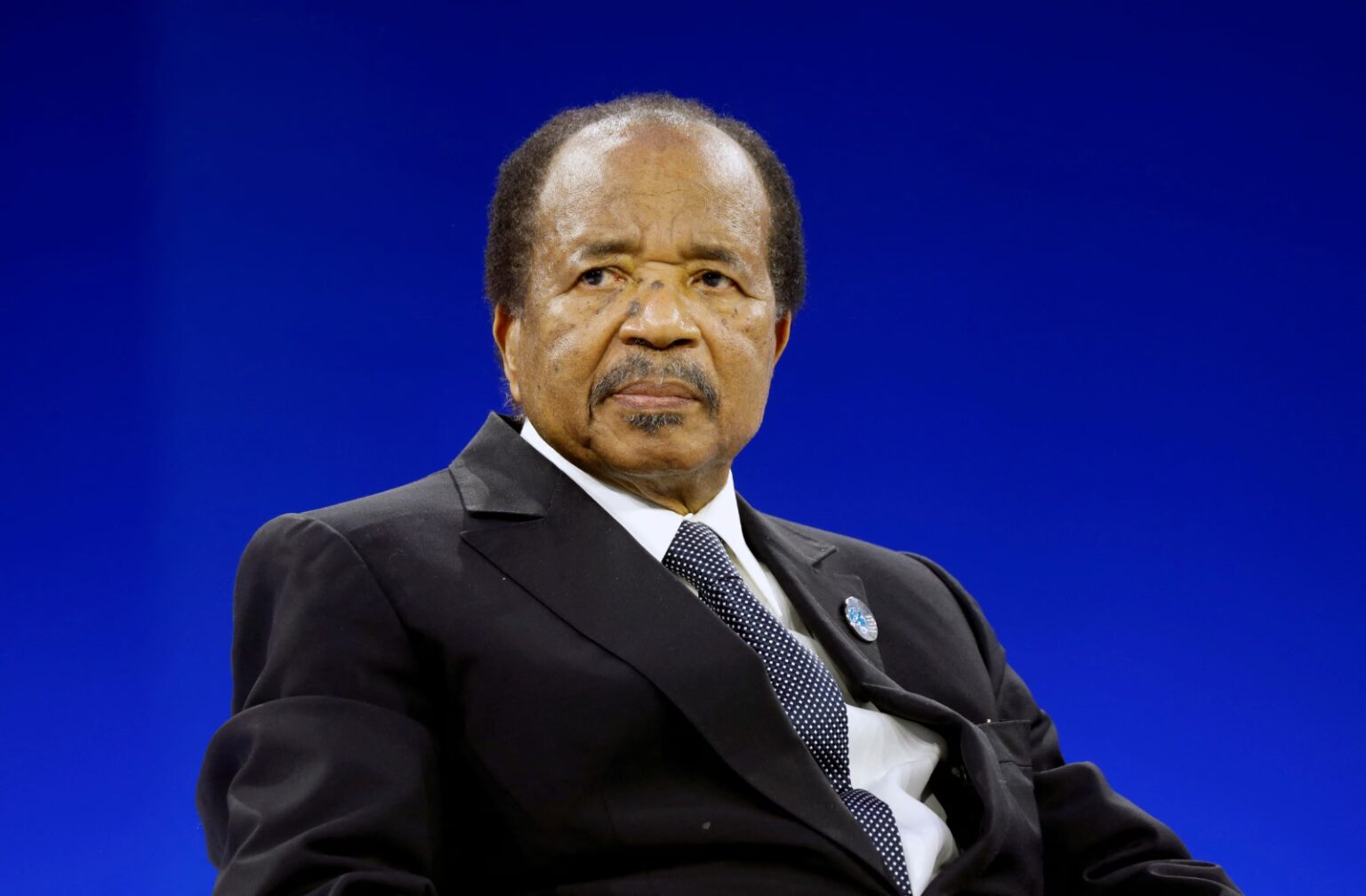

Cameroon’s Tourism Minister Bello Bouba Maigari has officially entered the presidential race, becoming the second close ally of President Paul Biya to launch a campaign ahead of the country’s anticipated October elections. The 78-year-old politician accepted the nomination of the National Union for Democracy and Progress (UNDP), a party long aligned with Biya’s ruling coalition.
President Biya—who has ruled Cameroon since 1982—has yet to announce whether he intends to seek another term. His silence, coupled with Maigari’s candidacy, is fueling speculation about the future of Biya’s leadership and the internal dynamics of his political base.
Maigari, a former prime minister and key figure in Biya’s decades-long administration, notably did not step down from his current cabinet position upon accepting his party’s nomination. His decision follows last week’s resignation and candidacy announcement by Issa Tchiroma Bakary, another prominent northern politician and Biya loyalist. Bakary’s move was interpreted by analysts as an early sign of fragmentation within the president’s alliance—particularly among elites from the northern regions.
The northern provinces of Adamawa, North, and Far North—home to over 2 million registered voters—represent a major electoral bloc in Cameroon, which has a total of more than 8 million registered voters out of a population of approximately 30 million. With two high-profile northerners now in the race, competition for the region’s support is expected to intensify, potentially reshaping the political landscape.
As the country awaits Biya’s decision, the entry of long-serving figures from within his own circle into the contest may indicate a shifting balance of power—and possibly the beginning of a post-Biya political era.


