

Nigeria has recorded 1,035 confirmed cases of Lassa fever and 252 related deaths so far in 2026, with young adults aged 21 to 30 emerging as the most affected group, according to the latest data from the Nigeria Centre for Disease Control and Prevention (NCDC).
The NCDC said 14 new infections were confirmed during epidemiological week 33, compared with four cases reported the previous week, indicating continued transmission of the viral disease across several parts of the country.
The new cases were reported in Ondo, Bauchi, Edo and Benue states, while the outbreak has now spread to 23 states and 117 local government areas nationwide.
According to the agency, the outbreak’s case fatality rate has reached 24.4%, up from 18.6% during the corresponding period in 2025, reflecting persistent challenges in early diagnosis and access to timely treatment.
Five states—Bauchi, Ondo, Taraba, Benue and Edo—account for 87% of all confirmed infections recorded this year, underscoring the concentration of cases in Nigeria’s traditional Lassa fever hotspots.
Health authorities noted that people between the ages of 21 and 30 continue to account for the highest proportion of infections. Public health experts attribute the trend to factors including occupational exposure, population mobility and increased contact with environments contaminated by infected rodents.
The latest figures extend a year-long surge in cases. By the end of July, Nigeria had already surpassed 1,000 confirmed infections, while more than 50 healthcare workers had contracted the disease during the outbreak, highlighting the risks facing frontline medical personnel.
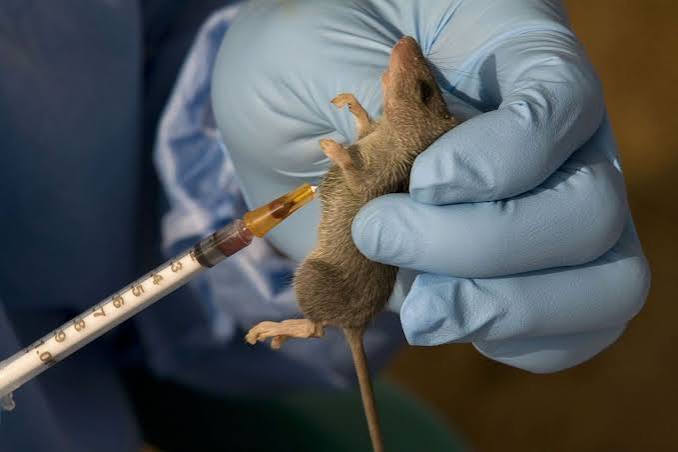
Lassa fever, an acute viral haemorrhagic illness endemic in parts of West Africa, is primarily transmitted through exposure to food, household items or surfaces contaminated by the urine or droppings of infected multimammate rats. Human-to-human transmission can also occur, particularly in healthcare settings where infection prevention measures are insufficient.
The NCDC has urged Nigerians to strengthen hygiene practices, store food in rodent-proof containers, eliminate rodent breeding sites around homes and seek immediate medical attention when symptoms appear.
Common symptoms include fever, weakness, headache, sore throat, vomiting and, in severe cases, bleeding and organ failure. Health officials stress that early detection and treatment remain critical to reducing fatalities and curbing the spread of the disease.


