
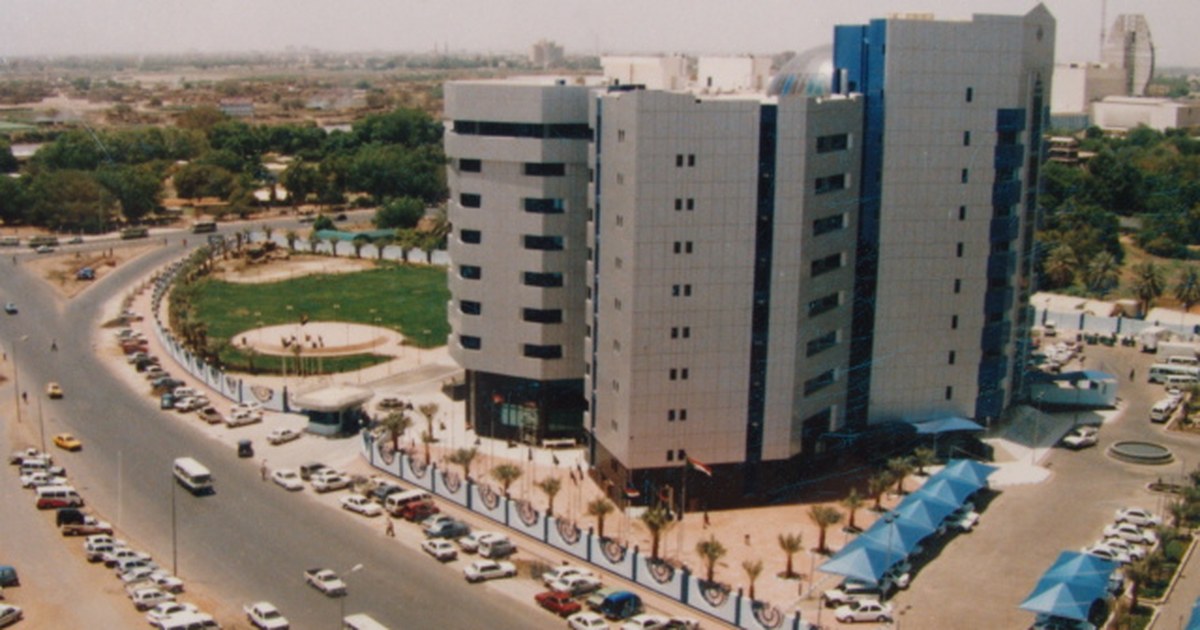

Sudan’s central bank has ordered banks to release the frozen accounts of Nabta Petroleum and three other oil companies, a day after including them in a sweeping money-laundering freeze, acting on a letter from the anti-money laundering prosecution.
The reversal is the first sign of how the investigation will treat the fuel importers caught up in it. Nabta Petroleum and the other firms work in fuel supply and storage, a sector the wartime economy depends on, and blocked accounts can disrupt payments for imports.
Which accounts were released?
The Central Bank of Sudan directed banks operating in the country to lift the seizure and freeze on the bank accounts of four companies and entities in the oil sector, based on a letter from the Public Prosecution’s office for combating money laundering and terrorism financing, the bank said in a directive issued on 17 November. The four are Nabta Petroleum Company Limited, the Nabta Port Sudan petroleum depot, Qadira Petroleum Company Limited and Nile Petroleum Company Limited.
The central bank had ordered banks, in letters dated 15 and 16 November, to freeze the accounts of dozens of companies, commercial establishments and individuals, including some government companies, in gold, import and export, petroleum, solar energy and telecommunications, as DNE Africa reported. The full lists have not been published, and the bank did not say why the four were released.
What did Nabta Petroleum say?
Nabta Petroleum said in a statement on Tuesday that the decision was an important step towards restoring its rights. The company said it had been wronged and harmed by what it called mistaken measures taken by some parties, which had disrupted its business.
It thanked the anti-money laundering prosecution for “investigating the facts” and the central bank’s banking supervision department for carrying out the legal instructions. Reviewing and correcting measures when necessary is “a basic pillar of justice”, the company said, adding that it had only sought to recover its rights.
The central bank’s directive did not say who owns the four firms or why they had been listed. None of them has been charged.
Why does the fuel sector matter?
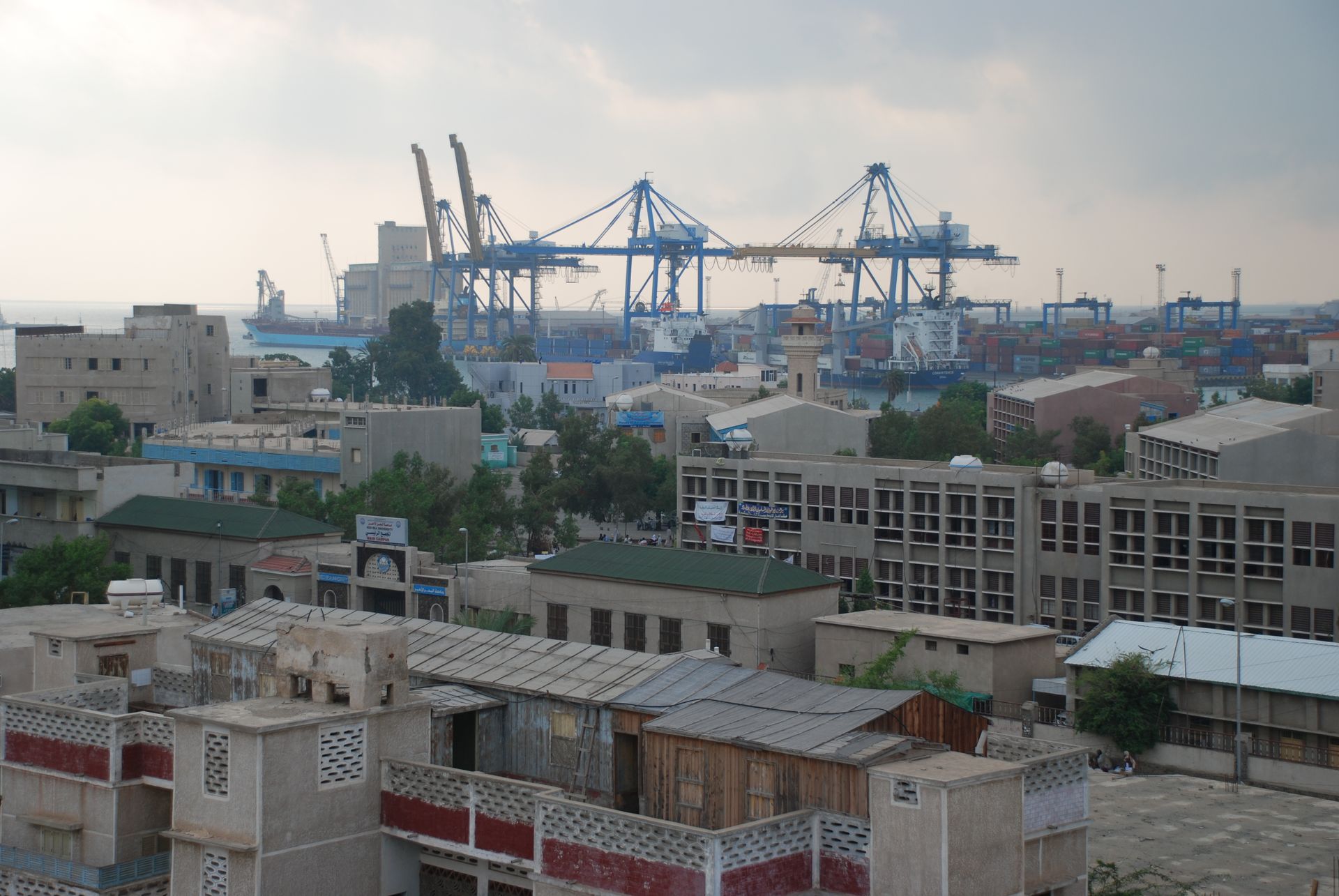
Sudan imports most of its refined fuel through Port Sudan, where the government has been based since the war between the army and the Rapid Support Forces began in April 2023. The Khartoum refinery at Al Jaili was badly damaged in the fighting, leaving the country more dependent on private importers.
The pressure on the currency adds to the strain. The government raised the customs dollar rate by 16% this week, with the pound trading near 11,000 to the dollar on the parallel market, raising the cost of fuel imports.
The central bank has tightened controls all year. In April it issued circular No. 8/2026 on anti-money laundering and terrorism financing, and its anti-money laundering page sets out the rules banks must apply.
What happens next?
Prosecutors are expected to keep questioning the remaining account holders about the source of their funds. Further releases would suggest the lists were drawn widely; the bank has not said how many accounts remain frozen.
FAQ
Why were Nabta Petroleum’s accounts unfrozen?
The central bank acted on a letter from the anti-money laundering prosecution. It did not give a reason, and Nabta Petroleum said the original measures were mistaken.
Which companies were released?
Nabta Petroleum, the Nabta Port Sudan petroleum depot, Qadira Petroleum and Nile Petroleum.
Are other accounts still frozen?
Yes. The freeze ordered in letters dated 15 and 16 November covered dozens of companies and individuals, and only these four have been released so far.
Has anyone been charged?
No charges have been announced against the companies named in the freeze or the release.


