

The number of Sudan returnees has reached 5.4mn people, the UN’s International Organization for Migration (IOM) said, even as displacement rose in 12 of the country’s 18 states in October.
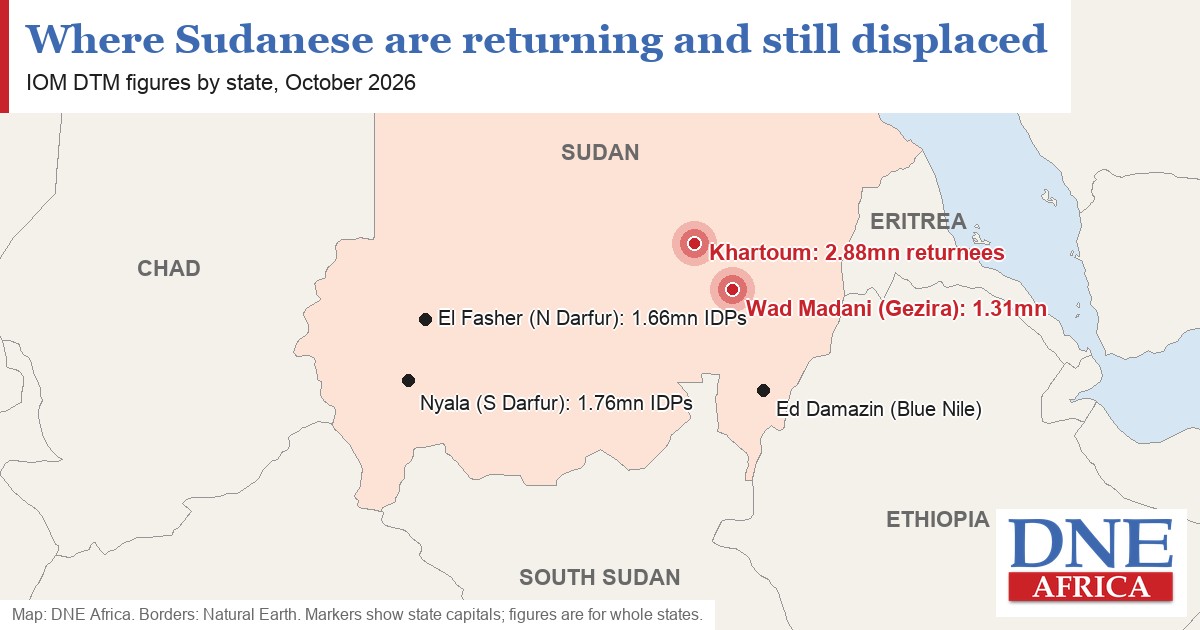
The figures show a war that is moving people in two directions at once: millions going back to Khartoum and Gezira, retaken by the army, while new fighting in Blue Nile and North Darfur pushes others out of their homes. About 8.6mn people remain internally displaced.
How many Sudan returnees has IOM counted?
IOM’s Displacement Tracking Matrix recorded 5,395,491 returned individuals across ten states, according to its latest Sudan displacement and return snapshot, covering 1 to 28 October 2026. That is 2% more than a month earlier.
Eighty-one per cent of Sudan returnees came back from displacement inside the country and 19% from abroad, the agency said. Khartoum state received the most, with 2,884,725 people, followed by Gezira with 1,312,110.
Of those who came back from abroad, 51% returned from Egypt, 24% from South Sudan, 10% from Libya and 8% from Gulf states, with the rest from Chad, Uganda, Ethiopia and the Central African Republic, according to the IOM report. Most returnees, 93%, went back to their usual homes.
Where is displacement still rising?
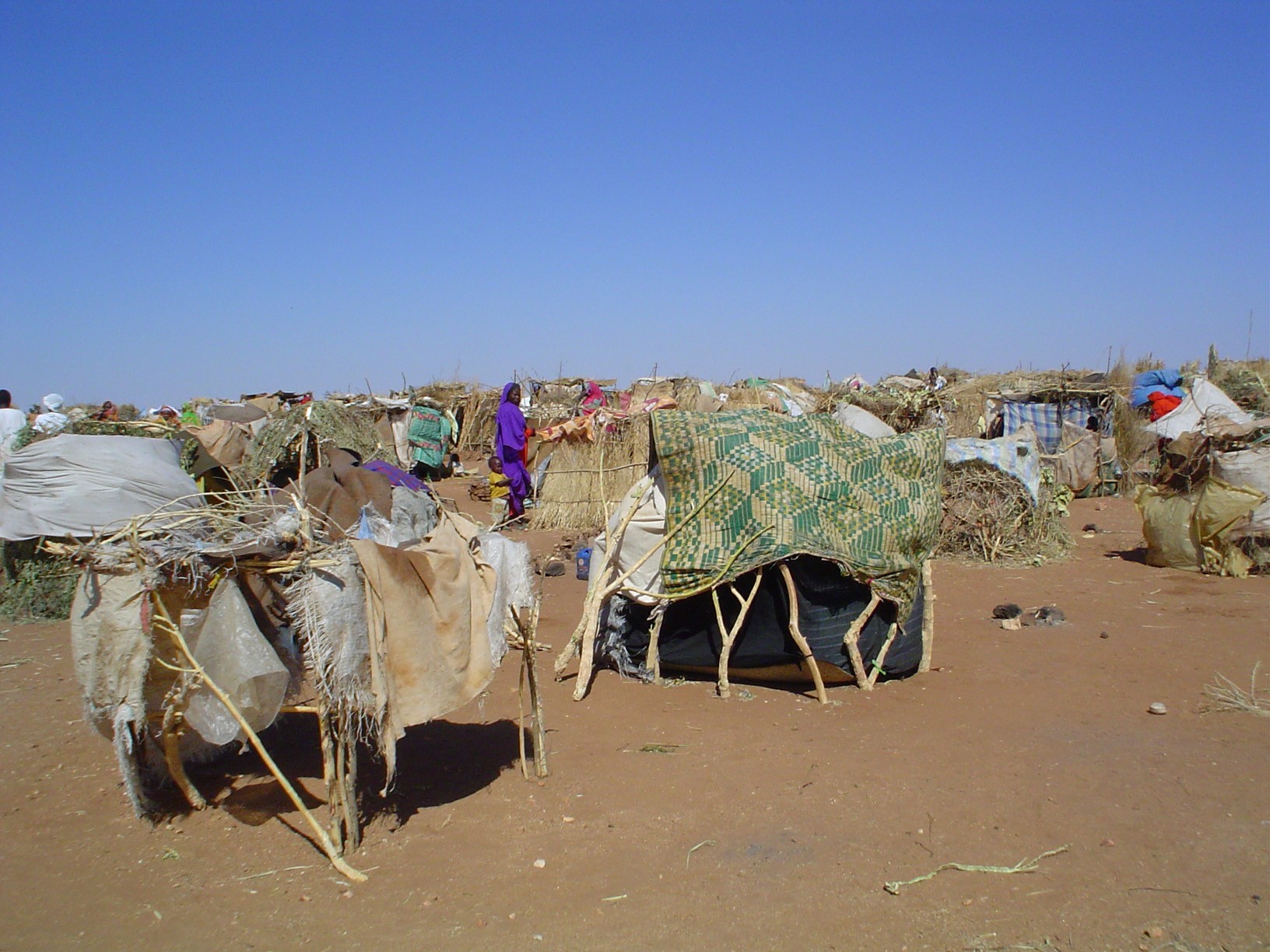
IOM counted 8,594,507 internally displaced people in all 18 states, 26% below the peak but slightly up on September. Displacement increased in 12 states and fell in six, mainly because of continued insecurity and new displacement in Blue Nile and North Darfur.
Blue Nile recorded the largest rise, from 417,714 displaced people in September to 443,494 in October. Darfur’s five states host about 65% of all internally displaced people, led by South Darfur with 1,755,350, North Darfur with 1,662,082 and Central Darfur with 998,137.
Most displaced people live in towns (60%) rather than rural areas. Thirty-seven per cent stay with host families, 30% in gathering sites and informal settlements and 20% in formal camps, the data show.
Why are Sudan returnees going back now?
Returns have followed the army’s recapture of Khartoum, Gezira, Sennar and North Kordofan states, which has brought some security and a gradual restoration of services. IOM counted about 3.3mn returnees at the end of 2025 and 3.99mn in April 2026, so the total has risen by about two-fifths in seven months.
Conditions remain harsh. The UN human rights office said this week that drone strikes caused most civilian deaths in Sudan this year, including in areas people are returning to, and the economy is under strain, with the pound near 11,000 to the dollar after the government raised the customs dollar rate. Aid agencies have warned that weak services and high prices could force some families to leave again.
What happens next?
IOM publishes the snapshot monthly. The next figures will show whether fighting in Blue Nile, North Darfur and Kordofan keeps pushing displacement up, and whether returns to Khartoum continue at the same pace as the dry season begins.
FAQ
How many Sudan returnees are there?
IOM recorded 5,395,491 returnees across ten states in its October 2026 snapshot, 2% more than the month before.
Where are most Sudan returnees going?
Khartoum state, with 2,884,725 returnees, and Gezira state, with 1,312,110, according to IOM.
How many people are still displaced in Sudan?
About 8.6mn people are internally displaced across all 18 states, with Darfur hosting around 65% of them.
Where did returnees from abroad come from?
Mostly Egypt (51%), followed by South Sudan (24%), Libya (10%) and Gulf states (8%).


